With the rise of the breeding industry, machinery has replaced labor. Feed pellet machines have entered thousands of households, and feed processing equipment has become a right-hand man in feed processing plants. As global demand for animal protein continues to grow, the role of feed pellet machines in modern agriculture has become increasingly critical for sustainable livestock production.
What are the advantages of the feed pellet machines?
Feed pellet machines offer numerous benefits that make them indispensable in modern breeding operations. These advantages span from cost reduction to improved animal health, making them a smart investment for farmers of all scales.
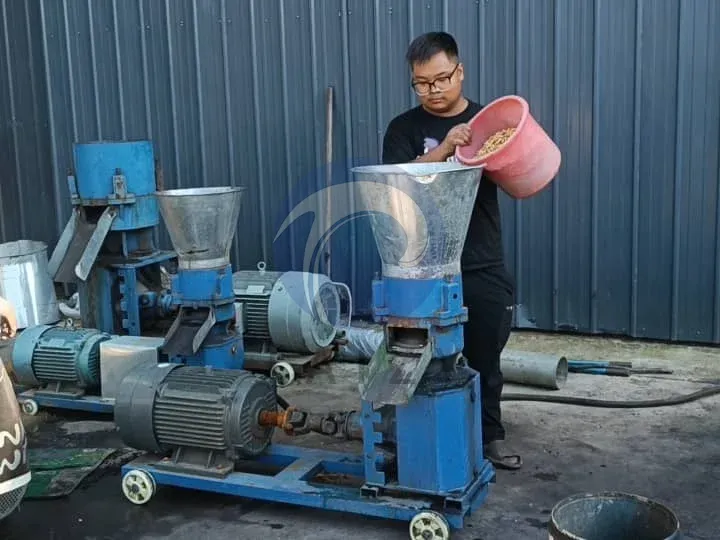
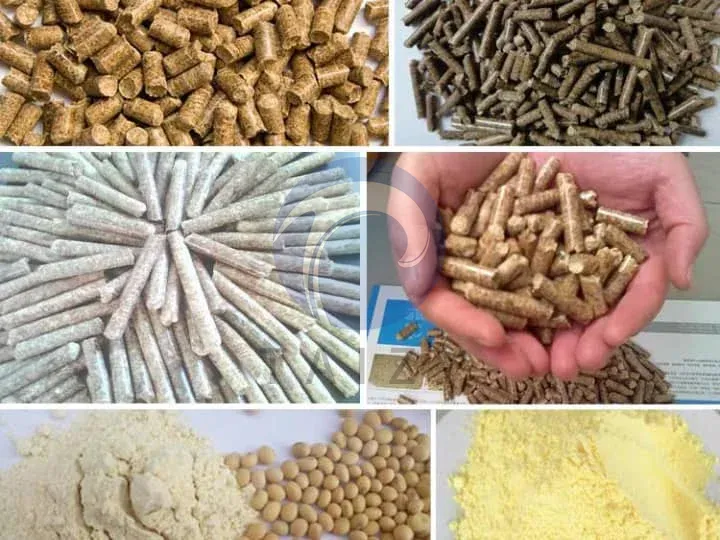
- Wide Raw Material Selection: The selection of raw ingredients is relatively wide, including corn, soybean meal, straw, grass, rice husk, and so on. All materials are configured according to nutritional formulas. It can effectively avoid the problem of some raw materials rising in price, and reduce costs and increase revenue by 30-50%.
- Energy-Efficient Operation: It is a piece of energy-saving equipment, easy to operate and maintain. One person can operate it efficiently, reducing labor costs significantly.
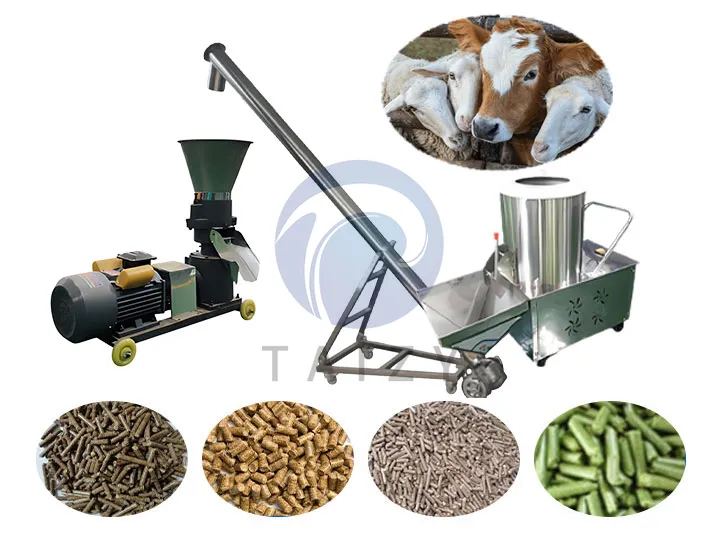
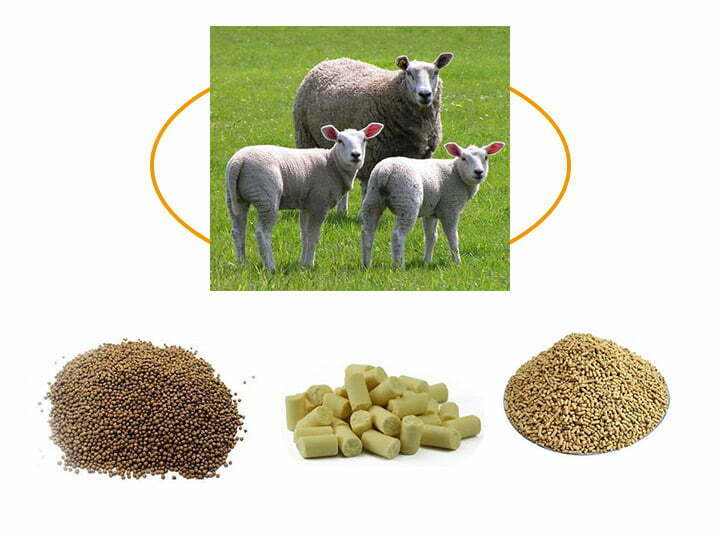
- Versatile Production: You can choose different molds according to your own livestock breeding, and the feed pellet size range is 1mm-12mm. It can breed a variety of livestock, and truly realize one machine for multiple breeding purposes.
- Improved Nutrient Absorption: The produced feed has a smooth surface and internal maturation through high-temperature conditioning. So it can improve the nutrient absorption of animals by 15-20%, reduce various pathogenic microorganisms, and digestive system diseases.
- Enhanced Palatability: It can improve the palatability of livestock, increase animal feed intake by 10-15%, and shorten the growth cycle, leading to faster market readiness.
- Convenient Storage: After compressing, the raw materials reduce volume and have a harder texture, which is convenient for storage and suitable for long-term storage and transportation without quality degradation.
According to industry research from the Feed Industry Association, farms using pellet feed report 25% better feed conversion ratios compared to those using traditional mash feed, demonstrating the significant impact of proper feed processing equipment on operational efficiency.
What kind of power can it be equipped with?
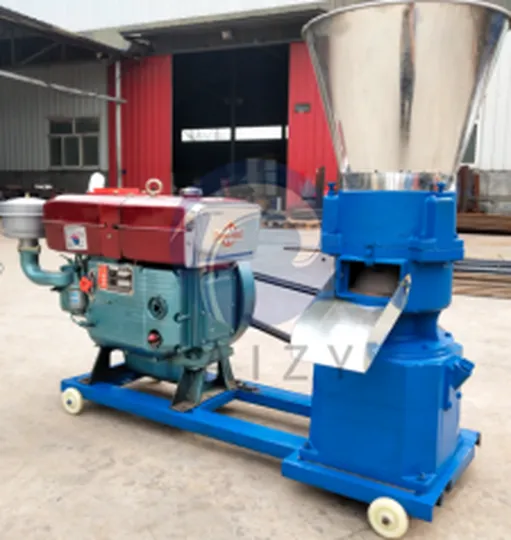
According to the power source, the feed pellet mill machines are divided into motor types and diesel types. We can design and customize it according to the different needs of users, local power availability, and operational requirements.
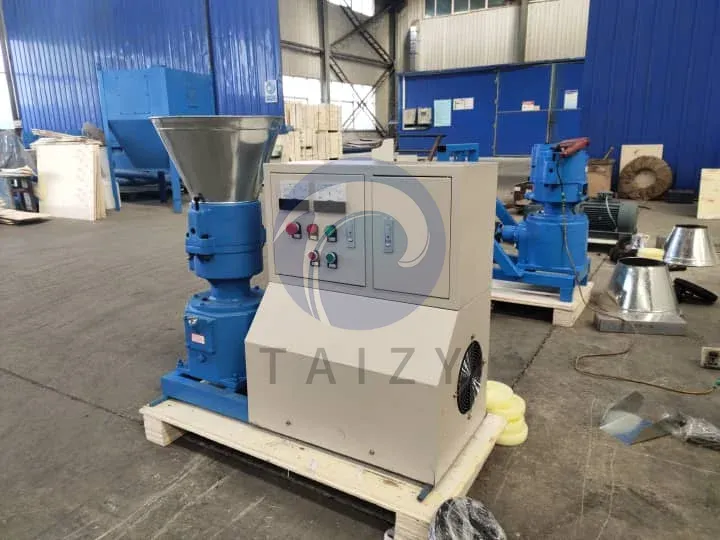
Motor Type
It has low noise, easy operation and maintenance, and excellent product quality. Motor-type feed pellet machines are ideal for areas with a stable electricity supply and indoor operations.
They typically consume 15-20% less energy compared to diesel models and produce zero emissions during operation, making them environmentally friendly choices for sustainable farming.
Diesel Type
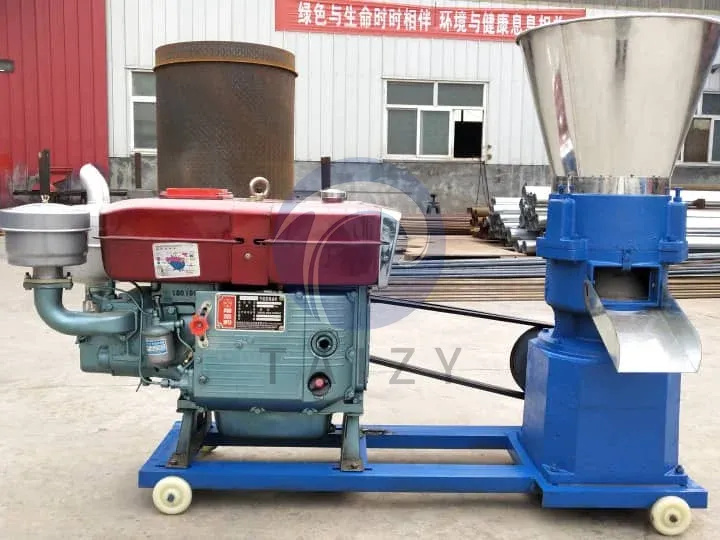
It adopts a diesel engine design, compact and simple appearance, simple and convenient movement, which can save energy consumption and cost. Diesel models are perfect for remote areas with unstable electricity or outdoor operations where mobility is essential.
At present, we have sold our diesel feed pellet machines to Ghana, Nigeria, Zimbabwe, the United States, Indonesia, and so on, helping farmers in developing regions achieve feed self-sufficiency.
The choice between motor and diesel power depends on several factors, including local energy costs, power reliability, environmental regulations, and operational mobility requirements. Our technical team can help you select the optimal configuration for your specific situation.
Applications in Different Breeding Sectors
Feed pellet machines serve diverse applications across the breeding industry, each with specific requirements and benefits:
- Poultry Farming: Chicken, duck, and quail feed production with pellet sizes 2-4mm, improving egg production rates and meat quality.
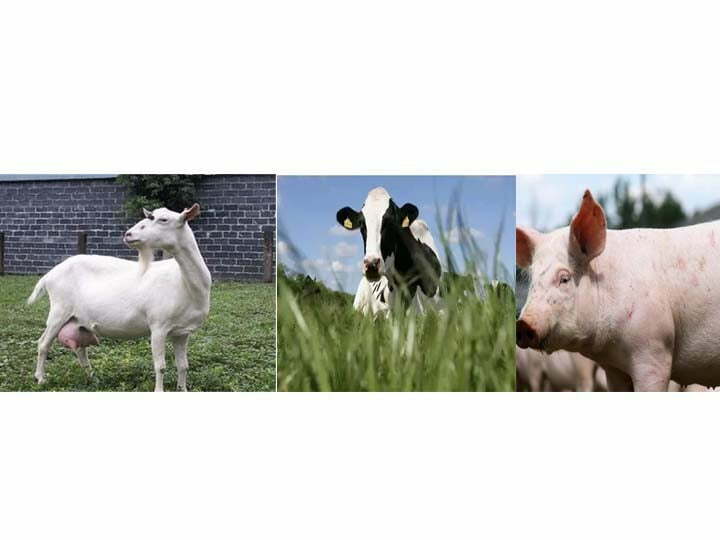
- Livestock Breeding: Cattle, sheep, and goat feed production with pellet sizes 4-8mm, enhancing weight gain and milk production.
- Pet Food Industry: Dog and cat food production with precise nutritional balance and appealing shapes, supporting the growing pet care market.
- Specialty Animals: Rabbit, deer, and other specialty animal feed production with customized formulations for specific dietary needs.
For animal husbandry applications, our Professional Floating Fish Feed Pellet Making Machine offers specialized features for producing high-quality floating fish feed pellets that maintain stability in water for extended periods.
FAQ of the Professional Feed Pellet Machine
What raw materials can the feed pellet machine process?
Feed pellet machines can process a wide variety of materials, including corn, wheat, soybean meal, rice bran, straw, grass, alfalfa, bone meal, fish meal, and various agricultural by-products. The key is to ensure proper moisture content (12-15%) and particle size before pelleting for optimal results.
How much does a feed pellet machine cost?
The price varies significantly based on capacity, power source, and configuration. Small-scale machines start from $500-2,000, while industrial production lines can range from $10,000 to $100,000+. The investment typically pays for itself within 1-2 years through reduced feed costs and improved animal performance.
What is the production capacity?
Capacity ranges from 50 kg/h for small household models to 10+ tons/h for industrial production lines. The actual output depends on raw material characteristics, pellet size, machine configuration, and operator skill level. We offer machines with capacities from 50 kg/h to 2000 kg/h to meet different farm sizes.
How do I maintain the feed pellet machine?
Regular maintenance includes: daily cleaning after use, weekly inspection of rollers and dies, monthly lubrication of bearings, and annual replacement of worn parts. Proper maintenance can extend machine life to 8-10 years and ensure consistent pellet quality. We provide detailed maintenance manuals and video tutorials for all customers.
Can I make floating fish feed with this machine?
Standard feed pellet machines produce sinking feed. For floating fish feed, you need a specialized fish feed extruder that applies higher temperature and pressure. Check our floating fish feed machine for animal husbandry applications requiring floating pellets.
Conclusion: Why do we use the livestock feed pellet machine?
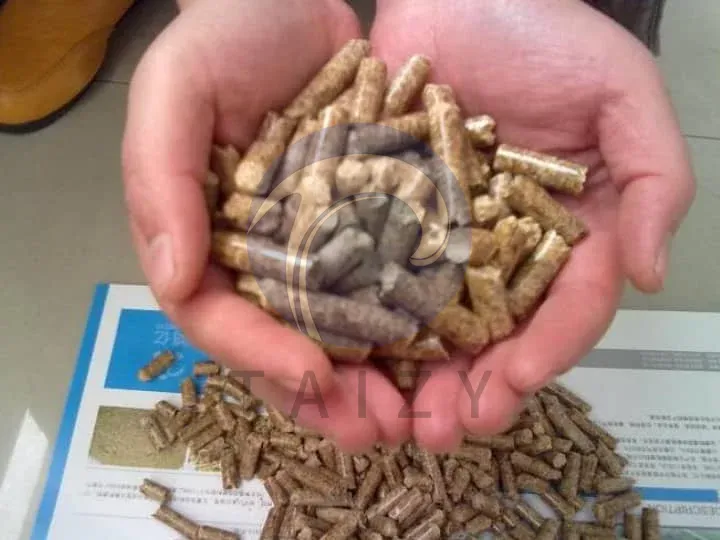
Feed pellet machines have revolutionized the breeding industry by providing cost-effective, efficient, and sustainable feed production solutions. Their ability to transform diverse raw materials into nutritious, digestible pellets makes them indispensable for modern livestock operations, from small family farms to large commercial enterprises.
The benefits extend beyond mere economics: improved animal health, reduced environmental impact through better feed conversion, and enhanced food security for growing populations. As the global population approaches 10 billion by 2050, the role of efficient feed production in sustainable agriculture will only become more critical.
Whether you’re a poultry farmer looking to reduce feed costs or an entrepreneur entering the pet food market, feed pellet machines offer a proven pathway to success. Our extensive range of machines, from compact household models to complete production lines, ensures we can meet your specific needs regardless of scale.
For more customer success stories, explore how our diesel feed pellet machines help Ghana farmers achieve feed independence, or visit our Successful Cases page to see real-world applications across different countries and industries.
Ready to transform your breeding operation? Contact our technical team today for a free consultation and customized quotation based on your specific requirements, budget, and production goals.