
Nowadays, more and more people adopt pets like dogs and cats. Those funny little animals give us so many wonderful moments in our lives. But if you want to be a responsible owner, you must pay more attention to the diet of pets. Then how is dry dog food made? What’s the whole processing flow?
Actually, as the pet food production line is developing rapidly, there’s a professional pet food production line that can output pet food automatically. The global dry dog food market reached $45 billion in 2025, driven by increasing pet humanization trends and demand for premium nutrition.
Understanding the manufacturing process helps pet owners make informed decisions about their pets’ nutrition and enables entrepreneurs to enter this profitable market with confidence.
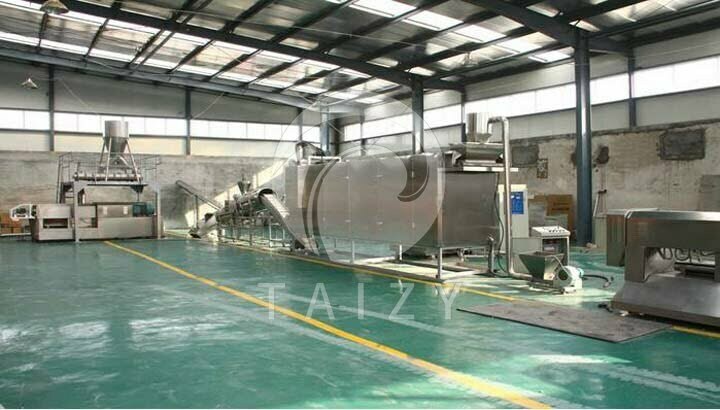
How is dry dog food made? Complete Manufacturing Process
The dry dog food manufacturing process involves multiple sophisticated steps that transform raw ingredients into nutritious, shelf-stable kibble. Modern pet food production combines nutritional science with advanced food processing technology to ensure consistent quality and safety.
- Raw Material Preparation: After mixing raw materials such as corn flour, wheat flour, chicken powder, meat and bone meal, soybean meal, and various vitamins and minerals, add water and heat to make a homogeneous paste. The precise formulation depends on the target nutritional profile for different dog breeds, ages, and activity levels.
- Extrusion Cooking: The extruder will do the heating job (typically 120-150°C), and then it squeezes the raw material through a die plate to create small pieces. There is a rotating knife on the machine that can cut the raw material into uniform kibble sizes. This high-temperature, high-pressure process gelatinizes starches, denatures proteins, and eliminates harmful bacteria, ensuring food safety and improved digestibility.
- Shape Formation: By changing the shape of the small holes on the extruder die plate, different shapes of dog food can be made – from traditional bone shapes to stars, circles, or custom designs. The shape affects not only visual appeal but also texture and dental health benefits.
- Drying Process: The cut dog food still contains 25-30% moisture and needs to be dried to reduce the moisture content to 8-10%, making it harder and shelf-stable. Multi-pass dryers use controlled temperature and airflow to ensure even drying without nutrient degradation. This critical step prevents mold growth and extends shelf life to 12-18 months.
- Coating and Flavoring: Then the kibble will be sprayed with fats, oils, and flavor enhancers in a coating drum to improve the taste and increase caloric density. This post-extrusion coating ensures that heat-sensitive nutrients like vitamins and probiotics remain effective.
- Cooling and Packaging: Finally, cool the dog food to room temperature using ambient air cooling systems, and you can also pack the dog food with automatic packing machines in moisture-proof bags with nitrogen flushing to preserve freshness and prevent oxidation.
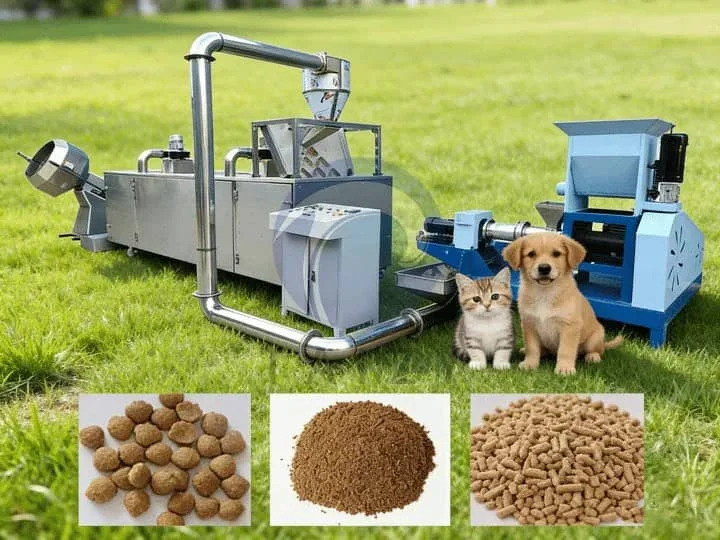
According to the Pet Food Industry Association, modern extrusion technology can improve nutrient digestibility by 15-20% compared to traditional baking methods, making extruded dry dog food the preferred choice for premium pet nutrition.
What is in dog food? Key Ingredients Explained
We usually classify materials used as dog feed into three categories by source: animal feed, plant feed, and mineral feed. Most dog foods mainly include these three parts, carefully balanced to meet AAFCO (Association of American Feed Control Officials) nutritional standards.
- Animal-Derived Ingredients: Animal feed refers to a type of feed derived from animal bodies, including meat, offal, blood meal, bone meal, eggs, and milk of livestock and poultry. Animal feed occupies an important position in dog diets and can provide dogs with high-quality protein, fat, and minerals. Protein and fat provide the necessary energy for dog activities, while protein is also an important raw material for building and repairing the body. Premium dog foods typically contain 25-35% crude protein from animal sources.
- Plant-Derived Ingredients: All plant-derived feeds are plant-based feeds, including seeds of crops (such as rice, soybeans, corn, wheat, potatoes, and sweet potatoes, etc.), and by-products after crop processing (such as bean cake, peanut cake, sesame cake, rice bran, etc.), and vegetables. Plant-based feed is also the main component of dog food. It is rich in carbohydrates, cellulose, vitamins, minerals, starch, etc. In addition, it also contains more organic acids and phytobacteria. Overall, plant-based feed can stimulate bowel movements, reduce diarrhea and constipation in dogs, and improve digestion. Quality carbohydrates provide sustained energy while dietary fiber supports digestive health.
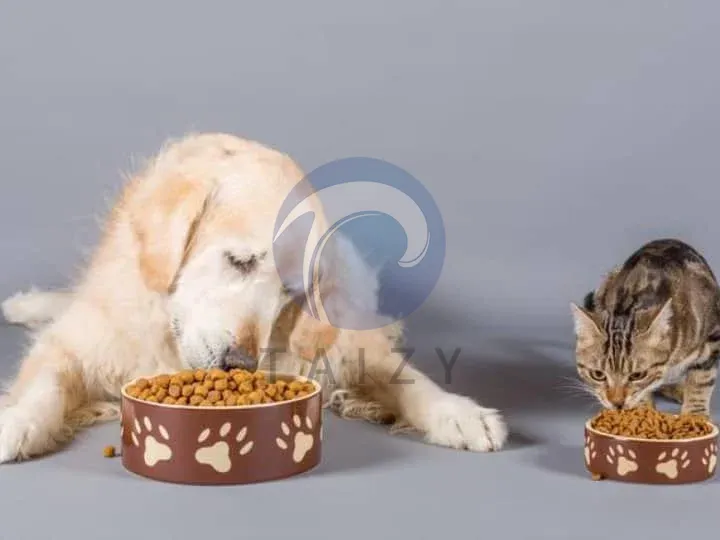
3. Mineral Supplements: Generally speaking, there is a certain mineral content in animal and vegetable feeds. Because dog food is diverse, the mineral elements in animal and plant feeds often supplement each other to meet dogs’ needs for most minerals. However, for certain mineral elements with high demand, such as calcium and sodium, when the feed cannot meet the needs of the dog, the mineral feed needs to be added separately. Essential minerals like calcium, phosphorus, zinc, and iron are carefully balanced to support bone health, immune function, and overall vitality.

The average ingredient content of a serving of scientific dog food
Crude protein: 32%; phosphorus: 0.85%; crude fat: 4% ~ 12%; calcium 1.0%; crude ash: 6.3%; crude fiber: 2.8%. The specific situation varies depending on the specific dog food formulation, target life stage (puppy, adult, senior), and intended activity level. Premium formulations may include additional supplements like omega-3 fatty acids, glucosamine for joint health, and probiotics for digestive support.
For entrepreneurs interested in entering the pet food market, understanding these nutritional requirements is crucial for developing products that meet both regulatory standards and consumer expectations for quality and safety.
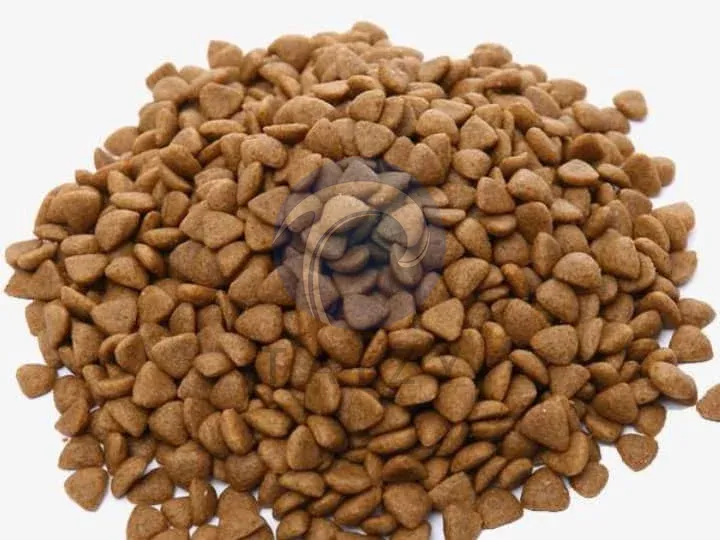
Equipment Requirements for Dog Food Production
Setting up a dry dog food production line requires several key pieces of equipment:
- Hammer Mill: For grinding raw materials to a uniform particle size
- Mixer: For thorough blending of ingredients and additives
- Extruder: The core equipment for cooking and shaping the kibble
- Dryer: For reducing moisture content to safe storage levels
- Coating Machine: For applying fats, oils, and flavor enhancers
- Cooling System: For bringing the product temperature down before packaging
- Packaging Machine: For automatic weighing and sealing in protective packaging
Our Pet Food Extruder Machine and complete pet food production lines are designed to meet international food safety standards while offering flexibility for various formulations and production scales.
FAQ
What is the difference between dry and wet dog food manufacturing?
Dry dog food uses extrusion cooking at high temperatures (120-150°C) and low moisture (8-10%), resulting in shelf-stable kibble with a 12-18 months shelf life. Wet dog food uses retort canning at lower temperatures with high moisture (75-78%), requiring sterilization, and has a 2-5 year shelf life but higher production costs.
How much does it cost to start a dog food production line?
Small-scale production lines (100-200 kg/h) start from $15,000-30,000, while medium-capacity lines (500-1000 kg/h) range from $50,000-150,000. Large industrial lines (2+ tons/h) can exceed $500,000. The investment includes equipment, facility setup, raw material inventory, and regulatory compliance costs.
What certifications are needed for dog food production?
Requirements vary by country but typically include: ISO 22000 (Food Safety Management), HACCP certification, local feed manufacturing licenses, and compliance with AAFCO (USA) or FEDIAF (Europe) nutritional standards. Facility inspections and regular product testing are mandatory in most regions.
Can the same production line make both dog and cat food?
Yes, with proper formulation adjustments and die plate changes. Cat food typically requires higher protein (35-45%) and fat content, smaller kibble sizes, and different vitamin/mineral premixes. The extrusion equipment can handle both, but thorough cleaning between production runs is essential to prevent cross-contamination.
How long does the dry dog food manufacturing process take?
From raw material intake to finished packaging, the complete process typically takes 2-4 hours depending on production scale and automation level. The extrusion itself takes only 30-60 seconds, but drying and cooling require 30-60 minutes to achieve proper moisture content and temperature.
Conclusion
The dry dog food manufacturing process combines nutritional science with advanced food processing technology to create safe, nutritious, and convenient pet food. From careful raw material selection through precise extrusion, drying, and coating, each step plays a crucial role in delivering quality nutrition to our canine companions.
For pet owners, understanding this process provides confidence in choosing appropriate foods for their pets. For entrepreneurs, the growing pet food market offers significant opportunities, with global pet food consumption expected to reach $150 billion by 2030. The key to success lies in producing high-quality products that meet both nutritional standards and pet preferences.
Whether you’re considering entering the pet food business or looking to expand your existing product line, investing in professional production equipment and maintaining strict quality control standards is essential for long-term success in this competitive market.
We are professional manufacturers of pet food machinery with over 6 years of experience. We produce complete pet food production lines, fish feed production lines, and animal feed pellet machines. Our equipment serves customers in 50+ countries worldwide, from small startups to established pet food brands.
Ready to start your pet food production journey? Contact our technical team today for a free consultation on equipment selection, production line design, and technical support tailored to your specific needs and budget.