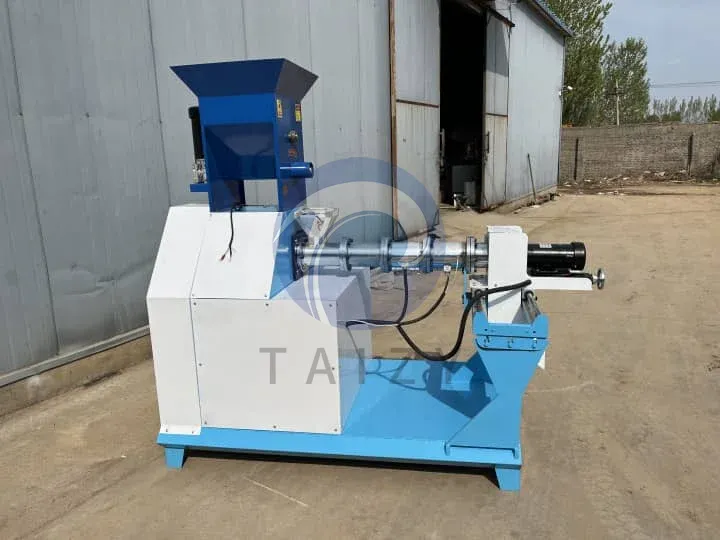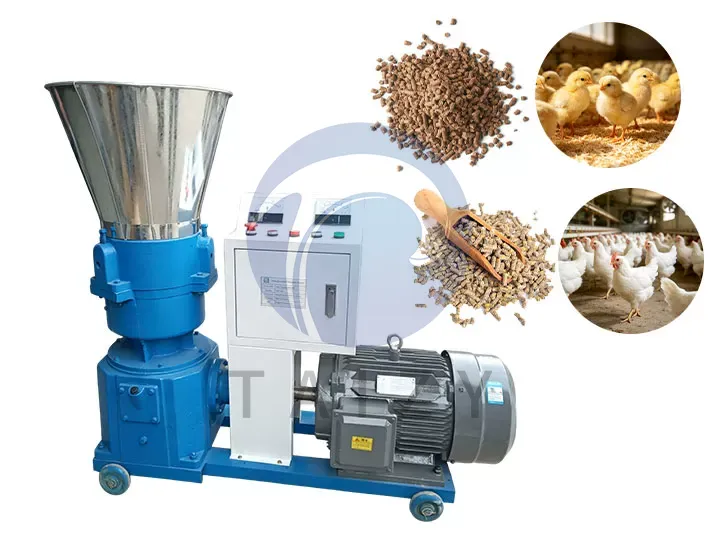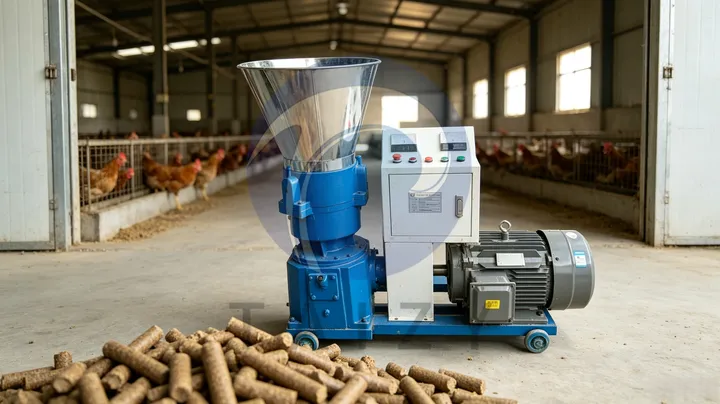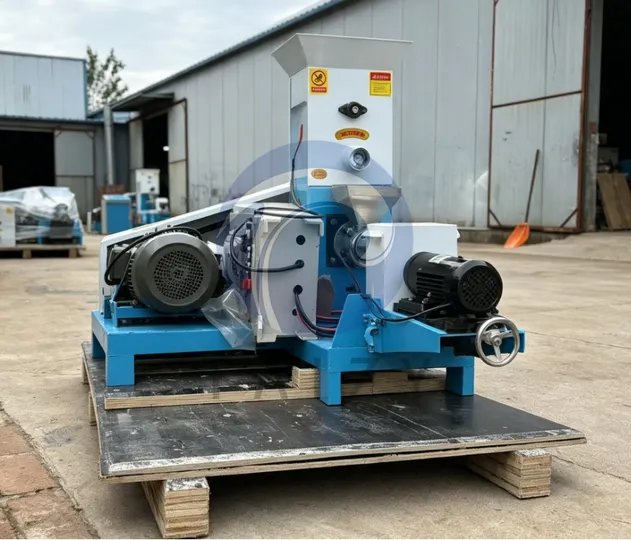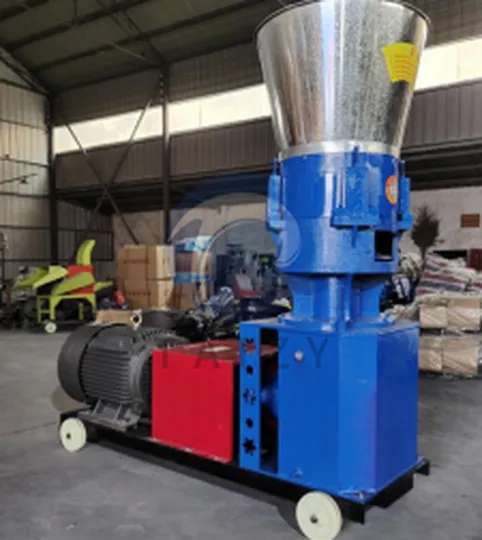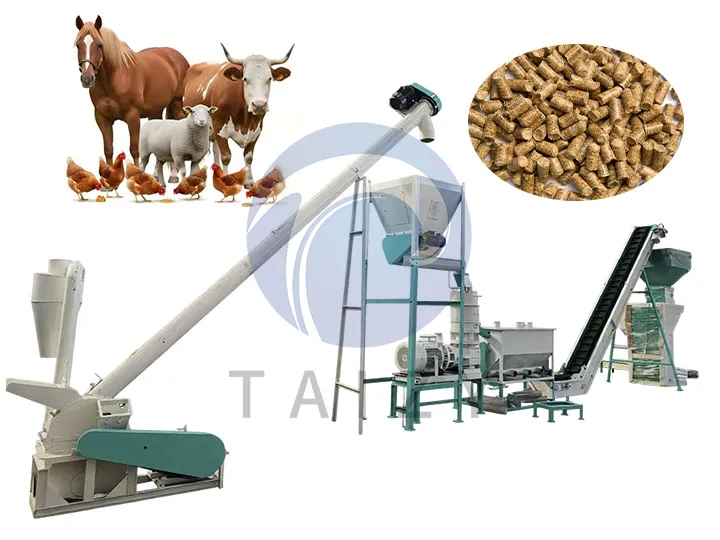
A catfish feed pellet machine can help fish farmers and feed producers in Nigeria process prepared ingredients into pellets for aquaculture.
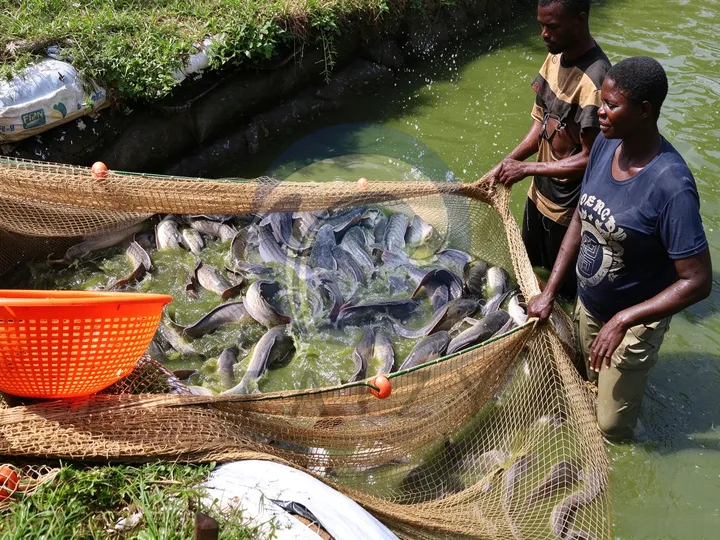
Nigeria is a major producer of African catfish, and feed is one of the largest operating expenses for many local farms. According to the FAO’s FISH4ACP initiative, feed accounts for approximately 78–85% of operating costs on many Nigerian catfish farms, making feed management an important consideration for farm profitability.
Against this market background, a customer in Nigeria purchased a catfish feed making machine from our company.
Customer Background: Fish Feed Demand in Nigeria
Nigeria has an established catfish farming industry that includes both small-scale farms and commercial aquaculture businesses. Feed is an important part of daily farm operations, making ingredient preparation, pellet quality, and production efficiency key considerations for fish farmers.
For businesses that prepare their own fish feed, purchasing a catfish feed pellet machine alone may not be sufficient. Feed ingredients generally need to be prepared and mixed before pelletizing to help achieve a consistent mixture.
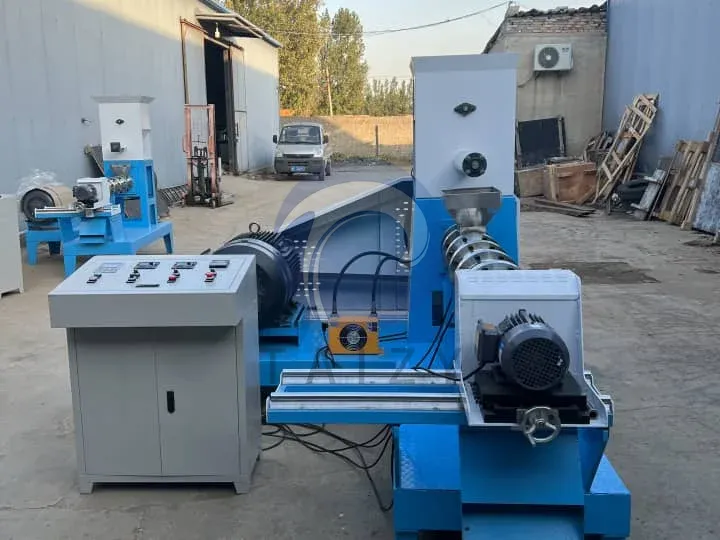
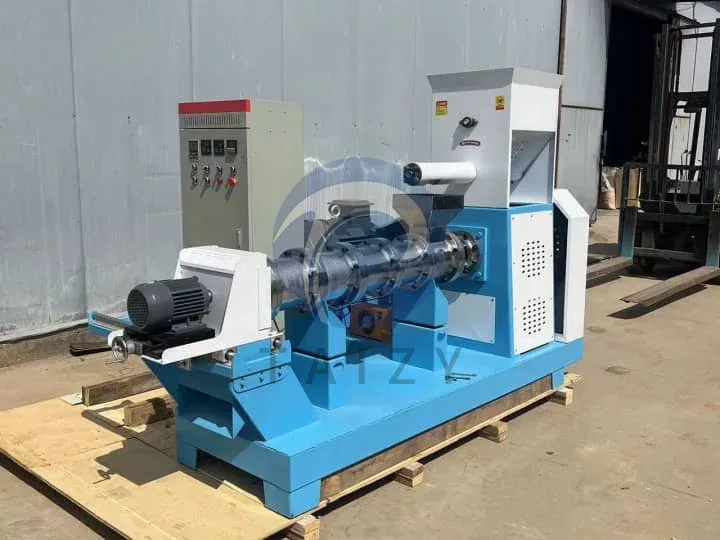
The Nigerian customer selected a mixer and a DGP-100 fish feed pellet machine for the proposed processing setup. Additional spare parts were also included in the order to support future equipment maintenance.
Equipment Configuration for the Nigerian Customer
The order included two main machines: a stainless steel mixer and a DGP-100 fish feed pellet machine.
| Ausrüstung | Main specifications |
| Stainless steel mixer | 3 kW; 250 kg/h; 120 kg |
| Catfish feed pellet machine | Model DGP-100 |
| Produktionskapazität | 500–550 kg/h |
| Hauptmotorleistung | 37 kW |
| Schneidstromversorgung | 1,1 kW |
| Zuführleistung | 1,5 kW |
| Schneckendurchmesser | 100 mm |
| Machine dimensions | 2000 × 2800 × 1600 mm |
| Maschinengewicht | 1500 kg |
| Included accessories | 7 molds and 50 blades |
The stainless steel mixer is designed to prepare the feed mixture before processing. With a listed capacity of 250 kg/h, its working schedule should be coordinated with the pellet machine, which has a listed capacity of 500–550 kg/h.
The DGP-100 is the main processing unit in this setup. Its seven molds provide options for configuring pellet production, while the included blades are part of the supplied accessories. The required pellet diameter and feed characteristics should be confirmed according to the intended fish species and growth stage.
Why Include a Mixer and Spare Parts?
Feed ingredients need to be mixed appropriately before pelletizing. A mixer helps combine prepared materials into a more uniform mixture, supporting the next processing stage.
Having suitable replacement parts available can help equipment operators plan routine maintenance and prepare for component replacement when necessary.
The exact maintenance schedule depends on operating hours, raw material characteristics, and equipment conditions. Buyers should follow the supplier’s operating and maintenance instructions for each component.
Looking for a Catfish Feed Pellet Machine in Nigeria?
For Nigerian fish farmers and feed producers, choosing suitable equipment starts with the target production capacity, feed ingredients, pellet size, and intended feed type.
If you are planning to produce fish feed in Nigeria, contact our team with your target output, raw materials, desired pellet diameter, and whether you need sinking or floating feed. We can help you evaluate a suitable fish feed processing solution for your business.