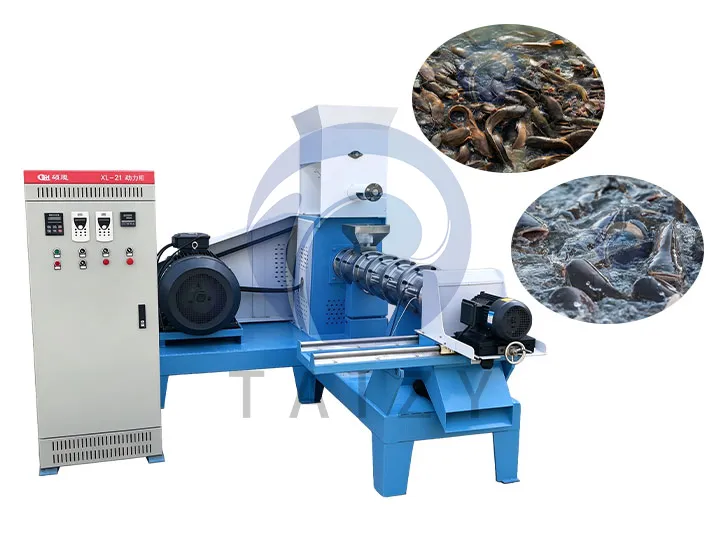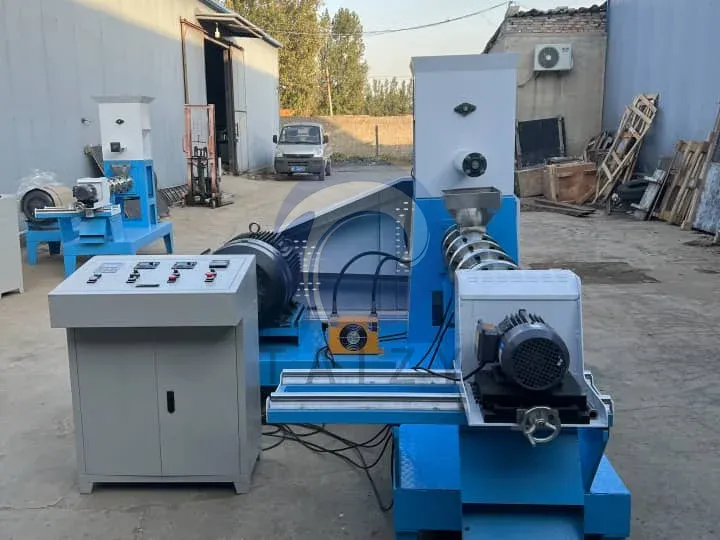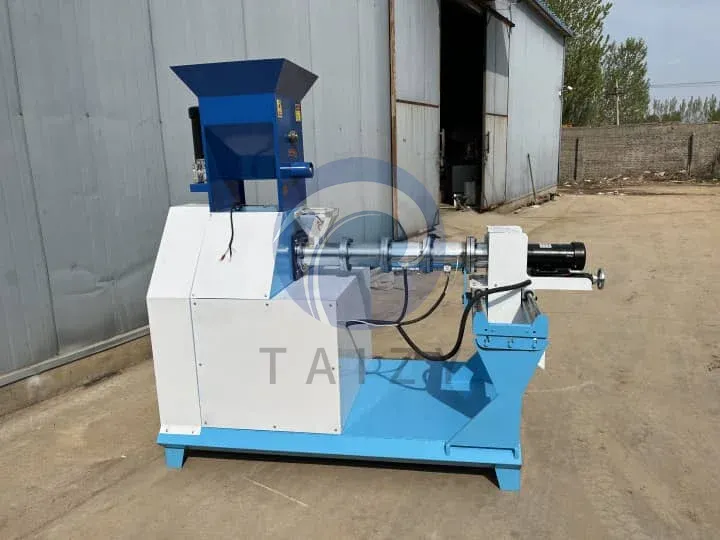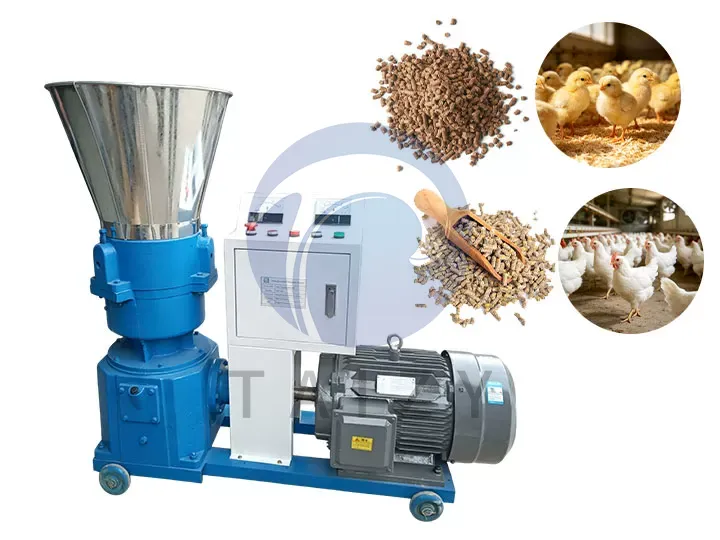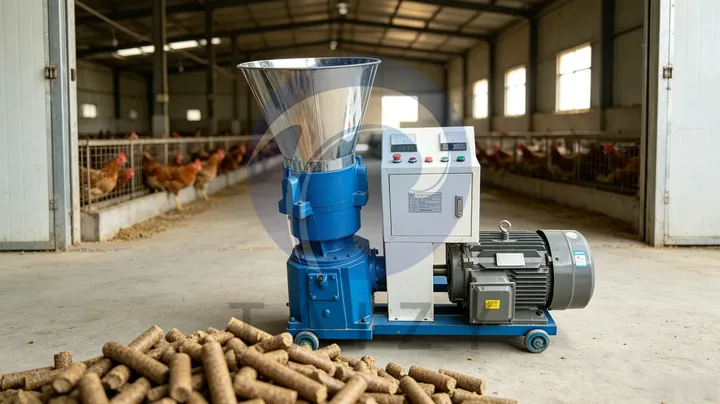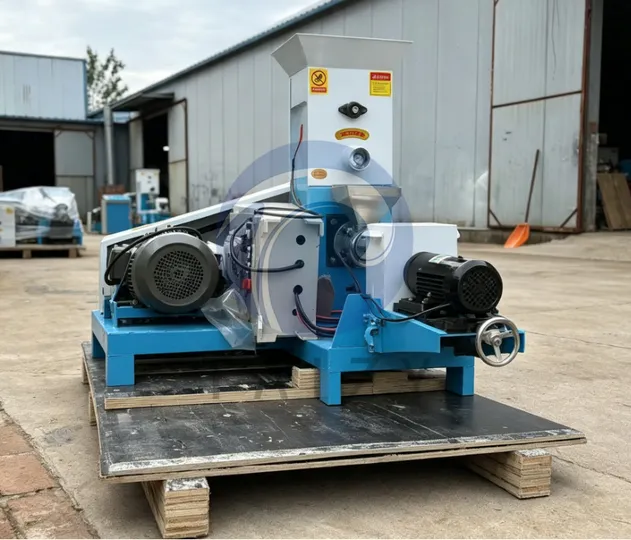
Choosing the right fish feed dryer is important for maintaining the quality of finished fish feed pellets. Different production capacities, pellet sizes, and moisture conditions require different drying configurations. An unsuitable dryer may cause uneven moisture reduction, excessive energy consumption, or damage to the pellets.
Before purchasing, buyers should compare several key factors to find a feed pellet drying machine that matches their actual production requirements.
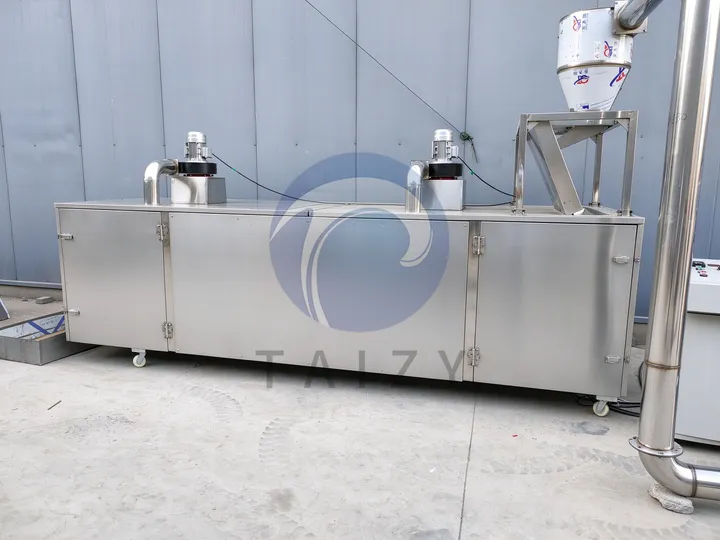
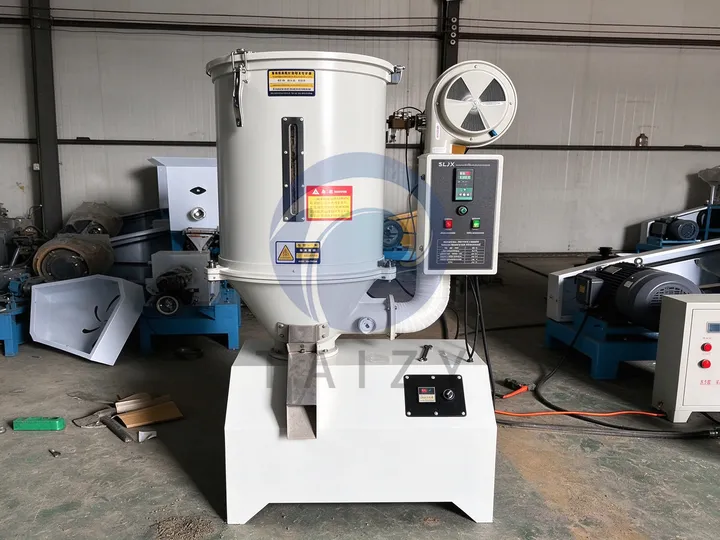
Choose the Right Capacity
Capacity is one of the first factors to consider. The fish feed dryer should handle the hourly output of your fish feed pellet machine without slowing down production.
For small fish feed processing businesses, a compact dryer may be sufficient. Larger feed factories generally need equipment with higher processing capacity.
When selecting a model, consider both your current production output and potential future demand. Avoid choosing an animal feed dryer that is too small or unnecessarily oversized.
Consider the Type of Fish Feed Pellets
Different fish feed pellets may have different drying requirements.
For example, floating fish feed and sinking fish feed can differ in structure, density, and moisture content. Pellet diameter also affects how quickly moisture moves from the inside to the outside.
Before choosing a pellet dryer, confirm the following:
- Floating or sinking fish feed
- Pellet diameter and shape
- Initial moisture content
- Expected final moisture content
These details help the supplier recommend a suitable drying configuration.
Check Temperature Control
Drying temperature directly affects the final quality of fish feed pellets.
If the temperature is too high, excessive heat may affect the nutritional components and physical structure of the feed. If it is too low, drying may take longer and leave excessive moisture in the finished product.
Therefore, choose equipment with an appropriate temperature control system. Stable hot-air distribution and adjustable drying conditions also help achieve more consistent results.
Pay Attention to Drying Uniformity
Uniform drying is essential for commercial fish feed production.
If some pellets are over-dried while others retain too much moisture, the finished products may have inconsistent quality and storage stability.
When evaluating a fish feed dryer, ask about its material conveying method, airflow distribution, and drying structure. These features influence how evenly the pellets are exposed to hot air during processing.
Compare Energy Consumption and Maintenance Costs
Energy consumption affects the long-term operating cost of a fish feed factory.
Before purchasing, compare the heating methods, installed power, and expected energy consumption of different models.
You should also check whether the dryer is easy to clean, whether its main components are accessible, and whether replacement parts are readily available.
A dryer that combines efficient operation with convenient maintenance can help reduce operating expenses over time.
Find a Suitable Feed Pellet Dryer for Your Needs
The best Fischfuttertrockner is not necessarily the largest or most expensive model. It should match your production capacity, pellet characteristics, moisture requirements, and operating budget.
Taizy provides fish feed drying solutions for different production requirements. Contact us with your expected capacity, pellet diameter, and feed type. Our team can recommend a suitable model and provide detailed specifications and a quotation.