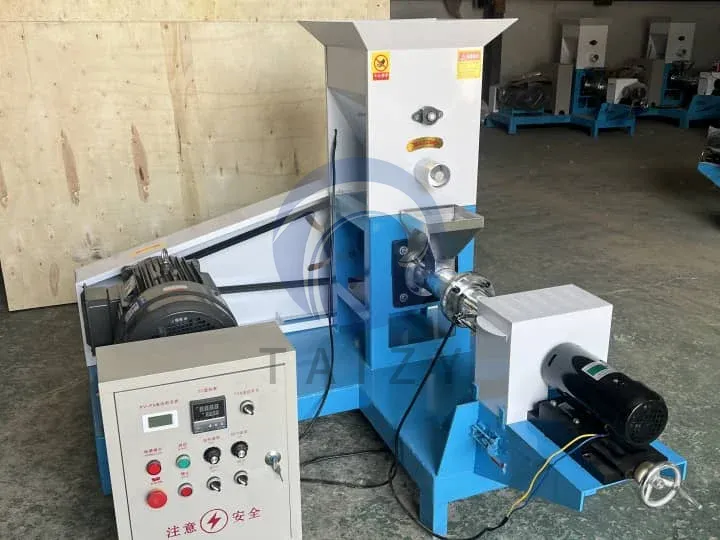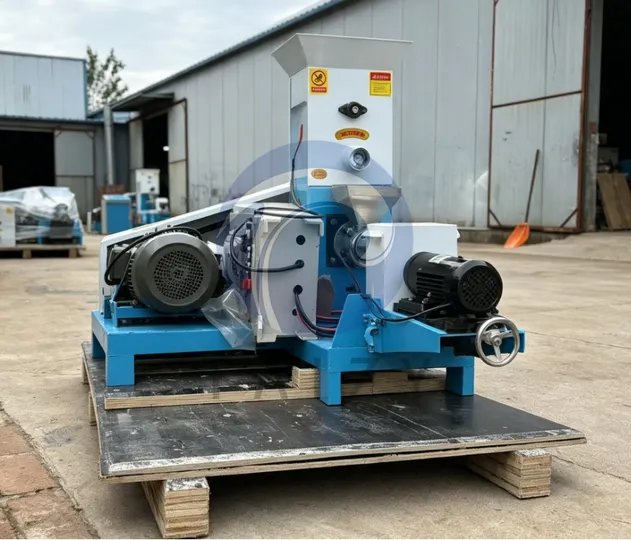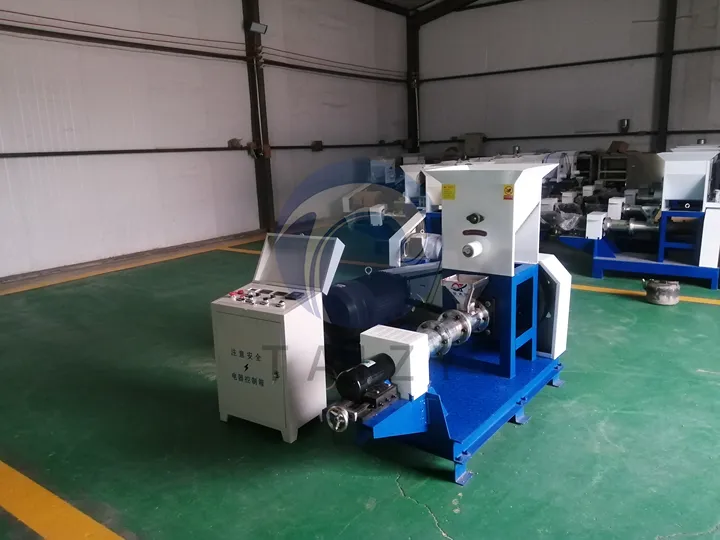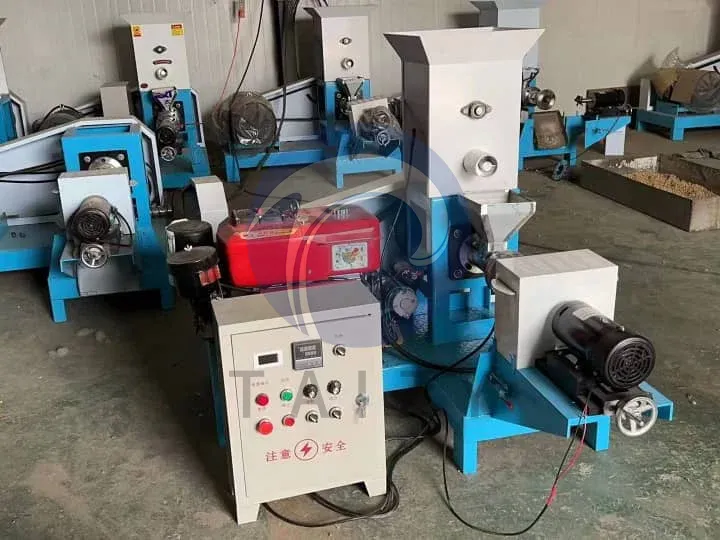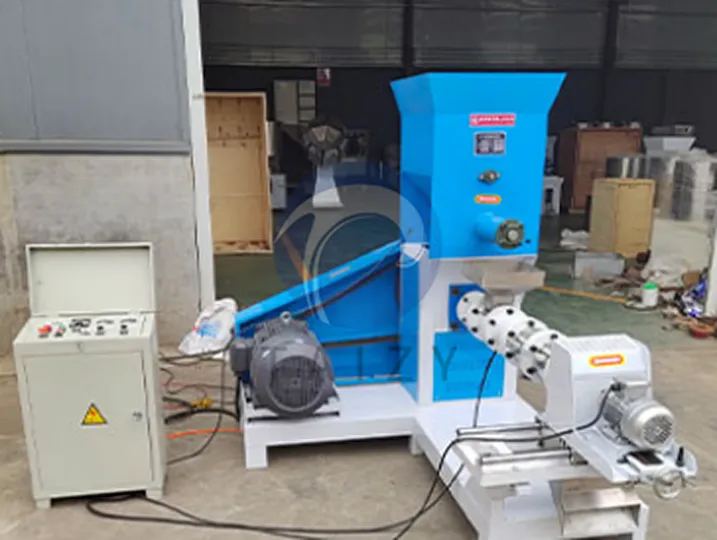
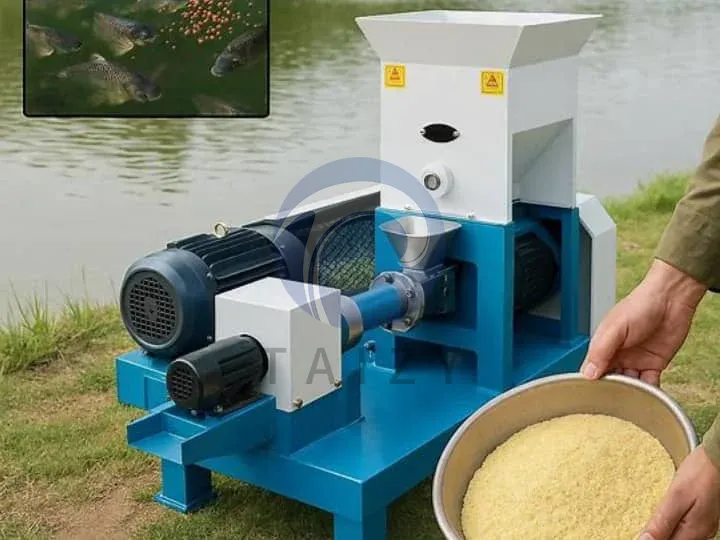
Choosing the right Schwimmfähige Fischfutter-Pelletiermaschine is one of the most critical decisions for your aquaculture business’s success. Whether you’re running a small fish farm or a large commercial operation, the equipment you select directly impacts your feed costs, fish growth rates, and overall profitability.
This comprehensive guide will walk you through everything you need to know about selecting a fish feed pellet-making machine that matches your specific requirements, budget, and production goals.
Warum schwimmende Fischfutterpellets für die Aquakultur wichtig sind
Schwimmende Fischfutterpellets sind aus mehreren überzeugenden Gründen zum Standard in der modernen Aquakultur geworden:
- Futterüberwachung: Schwimmende Pellets ermöglichen es, das Fressverhalten der Fische zu beobachten und die Futterraten entsprechend anzupassen
- Wasserschutz: Unverzehrtes schwimmendes Futter kann entfernt werden, um Wasserverschmutzung zu verhindern
- Bessere Verdauung: Der Extrusionsprozess kocht das Futter, verbessert die Verdaulichkeit und Nährstoffaufnahme
- Vielseitigkeit: Modern schwimmende Fischfutter-Pelletmaschinen kann durch einfache Teile sowohl schwimmendes als auch sinkendes Futter produzieren
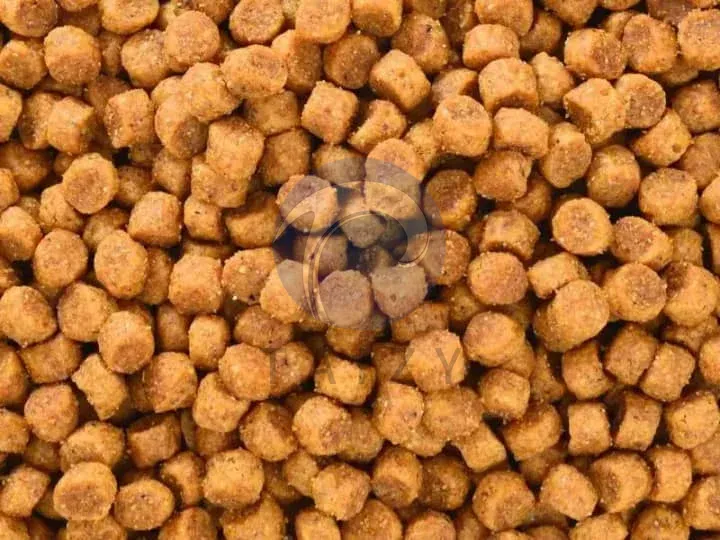
Investing in a quality Maschine zur Herstellung schwimmender Fischfutterpellets enables you to produce high-quality feed on-site, reducing costs and ensuring freshness.
Wichtige Faktoren bei der Auswahl der richtigen schwimmenden Fischfutter-Pelletmaschine
1. Produktionskapazitätsanforderungen
Capacity is the first and most important consideration. Floating fish feed pellet machines are available in various capacities ranging from 40kg/h to 2 tons per hour:
| Betriebsgröße | Empfohlene Kapazität | Geeignete Modelle |
| Kleiner Fischhof / Hausgebrauch | 40-100 kg/h | DGP40, DGP50, DGP60 |
| Mittlere Aquakultur | 200-500 kg/h | DGP80, DGP90, DGP100 |
| Große kommerzielle Farm | 600kg/h – 2t/h | DGP120, DGP160, DGP200 |
Bei der Berechnung Ihrer Kapazitätsbedürfnisse sollten Sie berücksichtigen:
- Täglicher Futterverbrauch Ihrer Fischbestände
- Anzahl der Fütterungssitzungen pro Tag
- Zukünftige Expansionspläne
- Betriebsstunden, die Sie aufbringen können
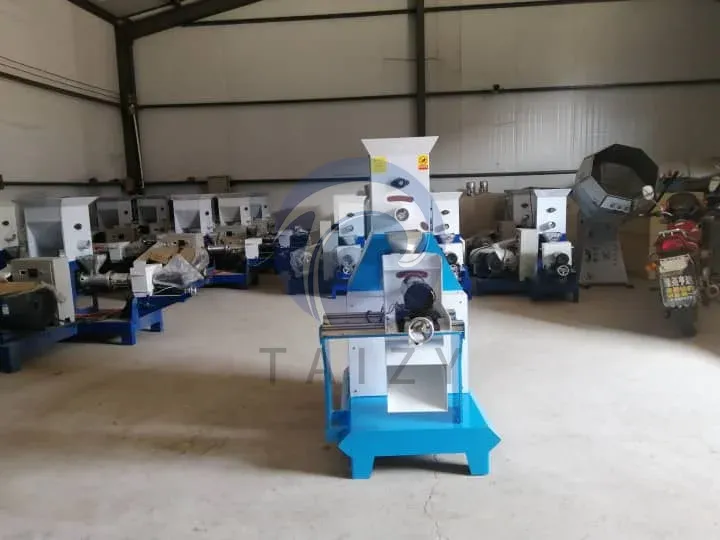
Optionen für die Stromversorgung
One of the advantages of modern fish feed pellet-making machines is the variety of power options available:
- Elektromotor: Am häufigsten, kostengünstig für Gebiete mit stabiler Stromversorgung
- Dieselmotor: Ideal für abgelegene Orte oder Gebiete mit unzuverlässiger Stromversorgung
- Doppelstromversorgung: Einige Modelle bieten sowohl elektrische als auch dieselbetriebene Optionen für Flexibilität
For African and Southeast Asian markets where electricity can be inconsistent, diesel-powered floating fish feed machines are particularly popular due to their reliability and independence from grid power.
3. Rohstoffkompatibilität
Different fish species and growth stages require different feed formulations. A quality Fischfutter-Extruder should handle various raw materials:
- Mais und Maismehl
- Sojamehl
- Fischmehl
- Reiskleie
- Weizenmehl
- Vitamin- und Mineralstoffmischungen
The professional Maschine zur Herstellung schwimmender Fischfutterpellets uses high temperature and pressure extrusion, which can process these materials into nutritious, well-cooked feed pellets.
Flexibilität bei Pelletgröße und -form
Different fish species and life stages require different pellet sizes. Look for a Fischfutterpelletmaschine that offers:
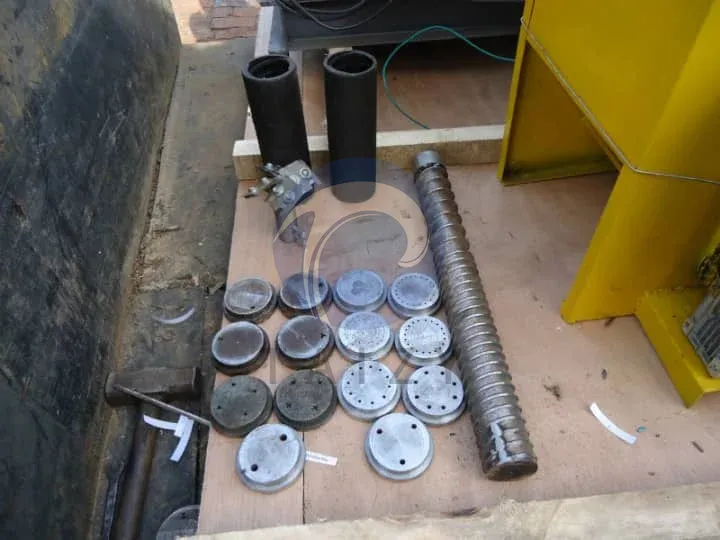
- Mehrere Formenoptionen (Durchmesser von 1 mm bis 12 mm)
- Einfaches Formenwechsel-System
- Verstellbarer Schneidmechanismus für Pelletlänge
- Option für die Produktion sowohl von schwimmendem als auch sinkendem Futter
Verstehen der Investition: Kosten vs. Wert
While price is important, focusing solely on the initial cost of a Rechte schwimmende Fischfutterpelletmaschine can be misleading. Consider the total value:
- Verarbeitungsqualität: Edelstahlschrauben und Baustoffe aus Kohlenstoffstahl sorgen für Langlebigkeit
- Energieeffizienz: Niedrigere Betriebskosten über die Lebensdauer der Maschine
- Verfügbarkeit von Ersatzteilen: Einfacher Zugang zu Formen, Schrauben und anderen Verschleißteilen
- Technischer Support: Herstellerunterstützung bei Installation und Fehlerbehebung
- Garantie: Schutz vor Herstellungsfehlern
A well-built Fischfutter-Pelletmaschine from a reputable manufacturer like Taizy Machinery represents an investment that pays for itself through reduced feed costs and improved fish health.
Vollständige Produktionslinienüberlegungen
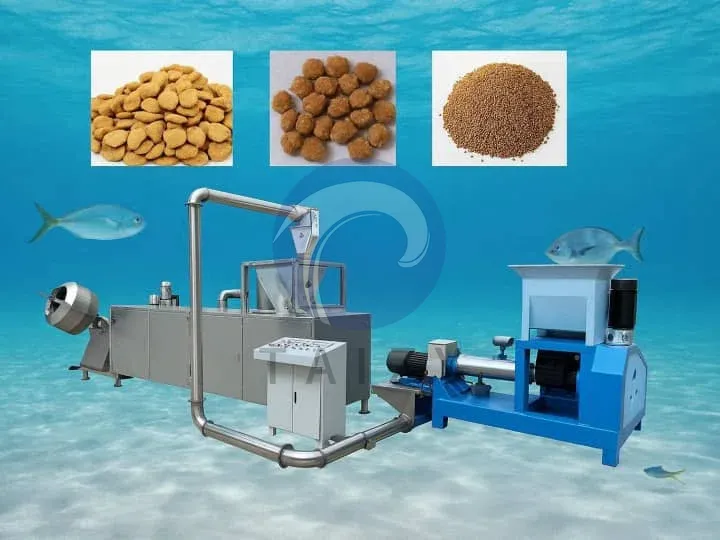
For serious aquaculture operations, consider a complete floating fish feed production line rather than just the pellet machine alone. A typical production line includes:
- Mahl- / Zerkleinerungsmaschine: Bereitet Rohstoffe auf die richtige Partikelgröße vor
- Mischer: Sichert eine gleichmäßige Verteilung der Zutaten und Zusätze
- Schneckenförderer: Überträgt Material automatisch zum Extruder
- Fischfutterextruder: Die Kernmaschine, die die Pellets herstellt
- Trockner: Reduziert die Feuchtigkeitsmenge für eine bessere Lagerung
- Ölsprühmaschine: Fettbeschichtung für Energie und Geschmack
- Kühler: Bringt Pellets auf Raumtemperatur für die Verpackung
Dieser integrierte Ansatz maximiert Effizienz und Futterqualität bei gleichzeitiger Minimierung der Arbeitskosten.
Erfolgsgeschichten aus der Praxis
Fish farmers worldwide have transformed their operations with the right Schwimmfähige Fischfutter-Pelletiermaschine. In Nigeria, a medium-sized fish farm increased production by 40% after switching to homemade floating feed. In Burma, a government procurement of 50 fish feed machines supported the development of the national aquaculture industry.
These success stories demonstrate that choosing the right floating fish feed pellet machine Fischfutter-Pelletmaschine can be a game-changer for aquaculture businesses of all sizes.
Ihre endgültige Entscheidung treffen
Before purchasing your Schwimmfähige Fischfutter-Pelletiermaschine, take these final steps:
- Berechnen Sie Ihren genauen Kapazitätsbedarf basierend auf Fischbestand und Wachstumsplänen
- Bewerten Sie Ihre Stromsituation und wählen Sie die geeignete Stromquelle
- Listen Sie Ihre Rohstoffquellen auf und überprüfen Sie die Kompatibilität der Maschine
- Anfragen nach Demonstrationen oder Videos des Betriebs der Maschine
- Verfügbarkeit von Ersatzteilen und After-Sales-Support prüfen
- Vergleichen Sie Garantien und technische Supportangebote
Remember, the goal is not just to buy a machine, but to invest in a solution that will serve your aquaculture business for years to come. A quality floating fish feed pellet-making machine is a partnership between you and the manufacturer.
Fazit
Choosing the right Schwimmfähige Fischfutter-Pelletiermaschine requires careful consideration of your capacity needs, power options, raw materials, and budget. By understanding these factors and working with a reputable manufacturer, you can select equipment that will enhance your aquaculture operation’s efficiency and profitability.
Whether you’re a small-scale farmer looking to reduce feed costs or a commercial operation aiming to maximize production, there’s a Fischfutter-Pelletmaschine that’s perfect for your needs. Take the time to research, compare options, and make an informed decision—your fish (and your bottom line) will thank you.
Ready to explore your options? Browse our range of professional schwimmende Fischfutter-Pelletmaschinen and find the perfect solution for your aquaculture business.