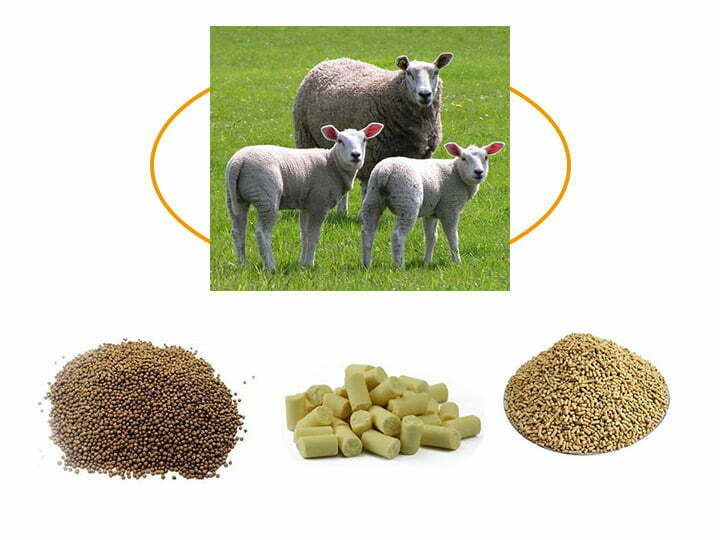
Producing high-quality feed pellets with a poultry feed making machine is important for livestock farms and commercial feed manufacturers. However, some producers find that their pellets crack, crumble, or turn into powder during production and handling. This reduces feed quality and increases material waste.
The problem may be related to raw material preparation, moisture content, or machine performance. Understanding these factors can help improve pellet strength and production efficiency.
Uniform Grinding for Better Pellet Formation
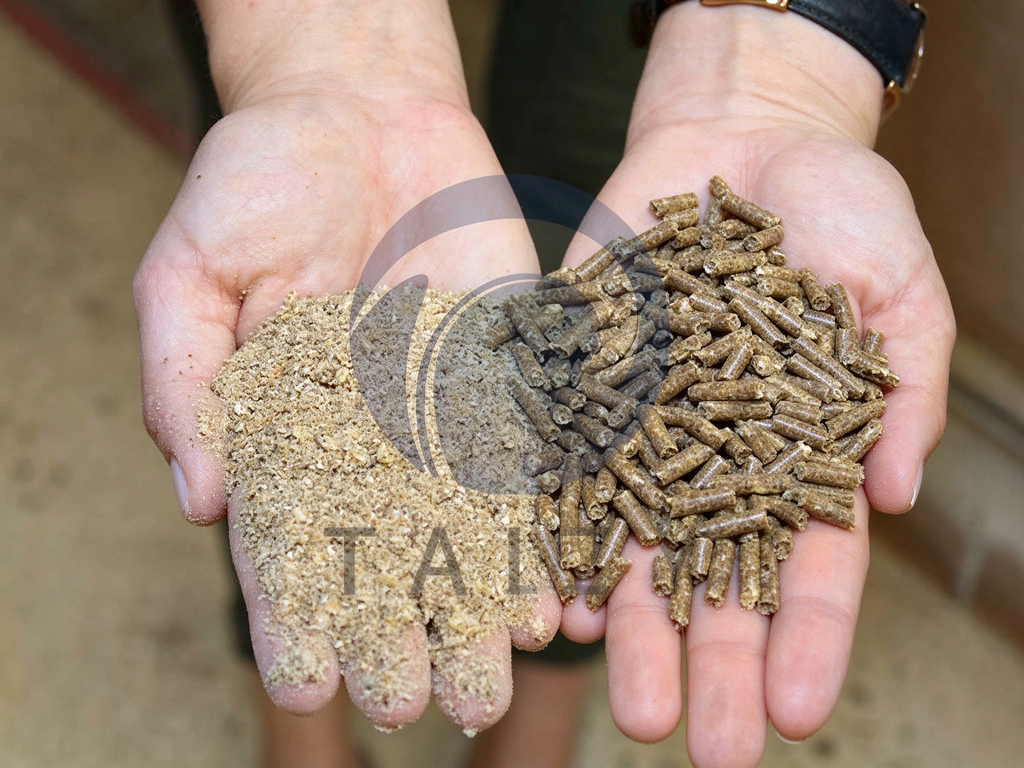
Raw material size affects the final pellet quality. Large or uneven particles can make compression less consistent, resulting in loose pellets that break easily.
A poultry feed making system equipped with a suitable hammer mill can grind corn, soybean meal, and other ingredients into uniform particles. This provides a better foundation for the subsequent mixing and pelletizing processes.
Thorough Mixing for Consistent Feed Quality
Unevenly mixed ingredients may cause differences in pellet composition and formation.
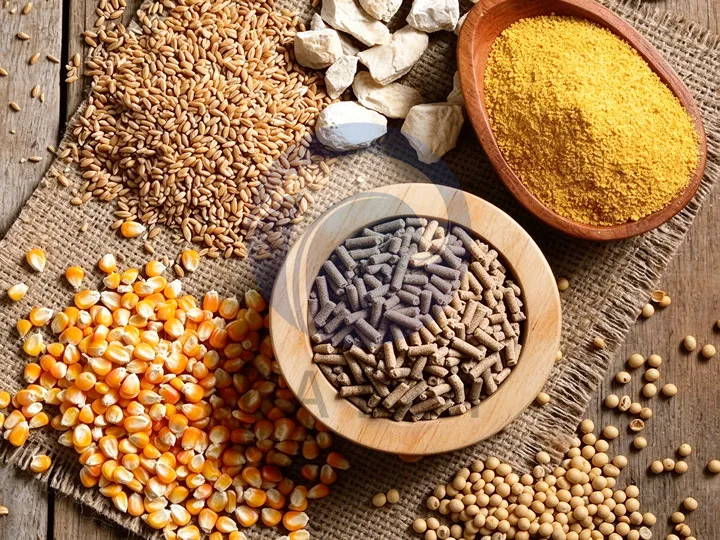
A feed mixer helps distribute different ingredients evenly before they enter the pellet mill. This ensures that the prepared mixture has a more consistent composition, supporting stable pellet production.
Proper Die and Roller Compression
The pellet mill is one of the most important components affecting pellet strength.
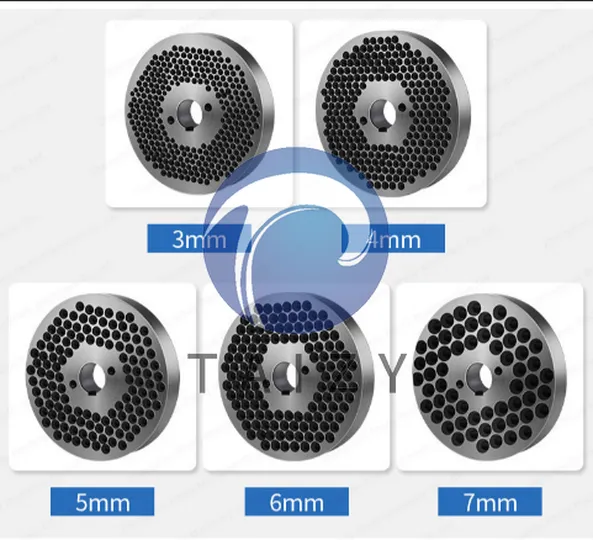
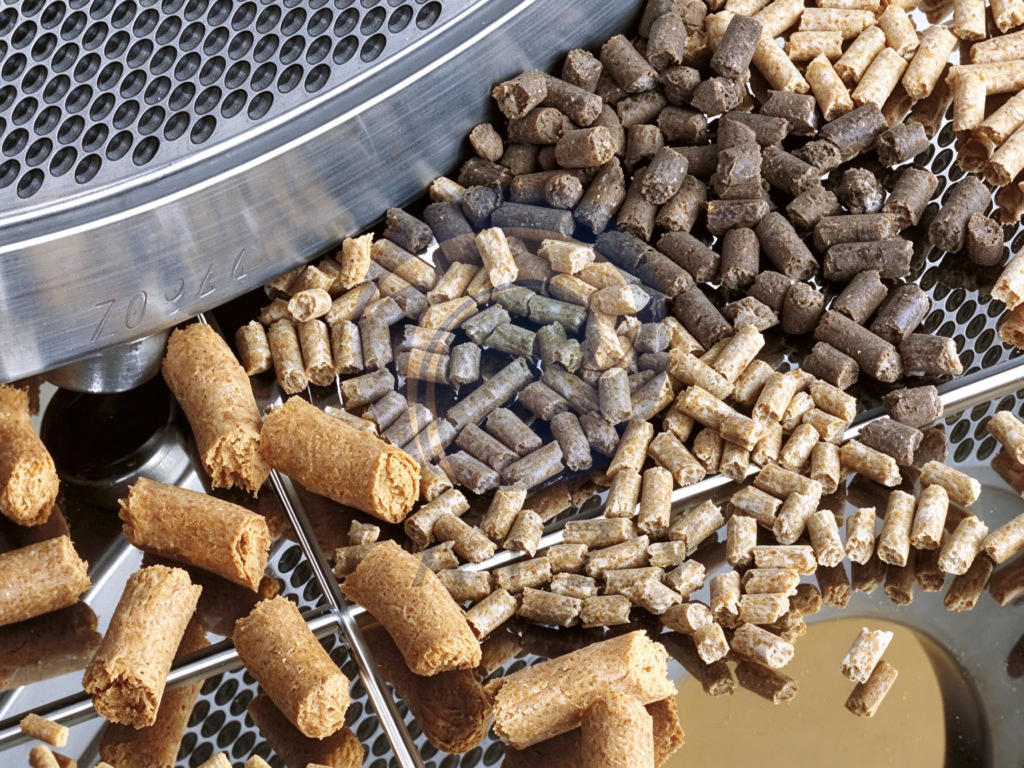
During operation, the rollers press the mixed feed through the die holes to form cylindrical pellets. Suitable die specifications and proper roller adjustment help create sufficient compression, producing compact and uniform pellets.
The die hole diameter can also be selected according to the required feed size for different poultry, such as chicks and adult chickens.
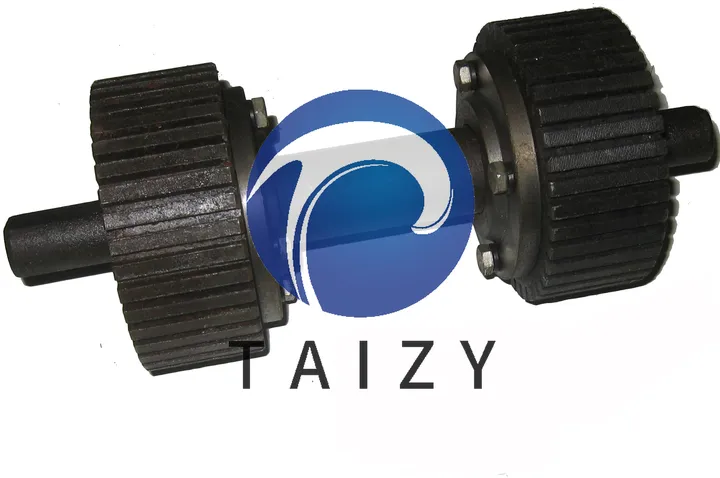
Effective Cooling to Reduce Pellet Damage
Freshly produced pellets are hot and contain more moisture. Packaging them immediately may cause problems during storage and transportation.
A pellet cooling machine gradually removes excess heat and moisture, helping the pellets become harder and more stable. This reduces the risk of breakage during subsequent handling.
Choose a Suitable Poultry Feed Making Machine
Reducing pellet breakage requires suitable equipment throughout the production process. When choosing a machine, consider:
- Raw materials: Corn, soybean meal, and other ingredients.
- Production capacity: Match machine output to your daily requirements.
- Pellet diameter: Select suitable die sizes for different poultry.
- Machine configuration: Choose the appropriate grinding, mixing, pelletizing, and cooling equipment.
A well-matched production line helps improve processing efficiency while maintaining consistent feed quality.
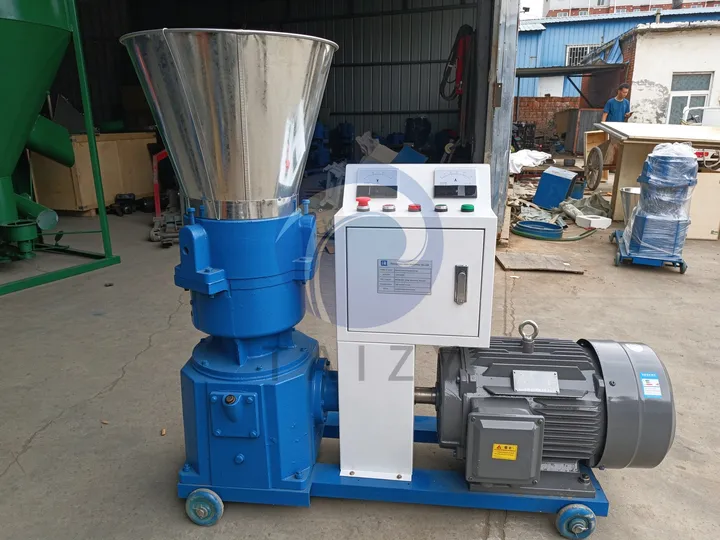
Produce Stronger Feed Pellets with Suitable Equipment
Looking for a suitable pelletizing solution? Contact us with your raw material, required pellet size, and production capacity. We can recommend the right poultry feed making machine configuration for your business.