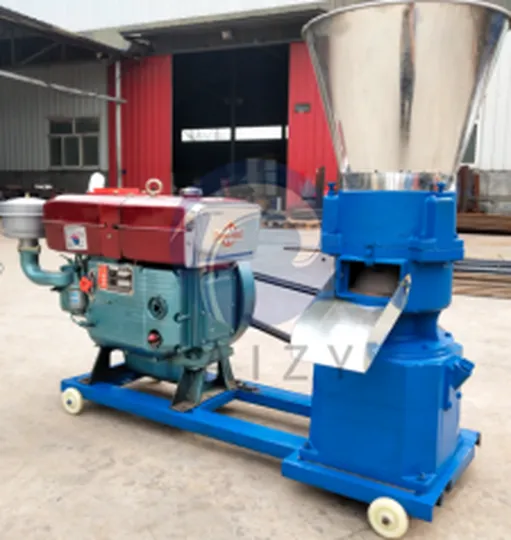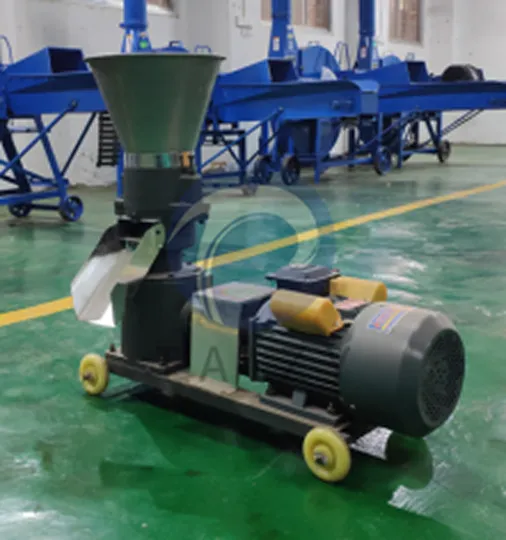
A pioneering camel farm in Saudi Arabia has successfully implemented a specialized camel feed pellet machine to address the unique nutritional needs of these revered animals. This case study explores how customized feed production technology improves camel health and productivity in the harsh desert climate.
Project Background: Camel Farming in Saudi Arabia
Camel farming holds deep cultural significance in Saudi Arabia, dating back thousands of years. Today, the kingdom is home to over 450,000 camels, with the camel population growing at approximately 3-5% annually. Modern camel farming serves multiple purposes:
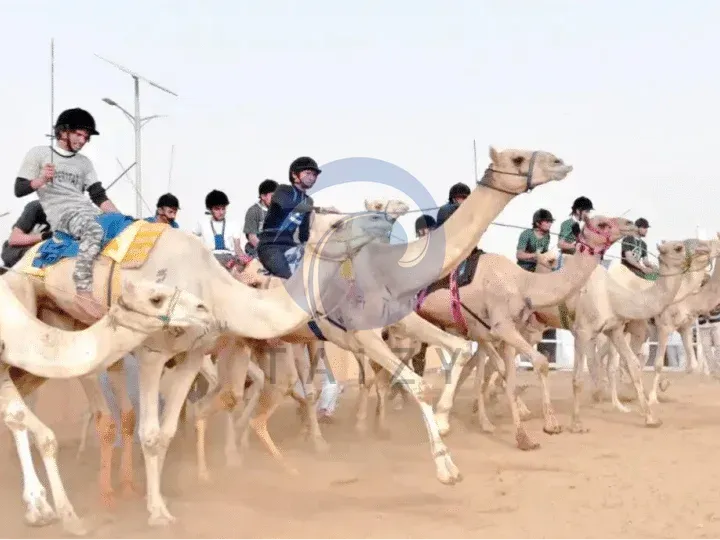
- Camel Racing: A prestigious sport with prize money reaching millions of dollars
- Milk Production: Camel milk is highly valued for its nutritional properties
- Meat Production: Growing demand in local and export markets
- Tourism & Heritage: Cultural festivals and traditional events
- Breeding Programs: Preserving prized bloodlines and genetics
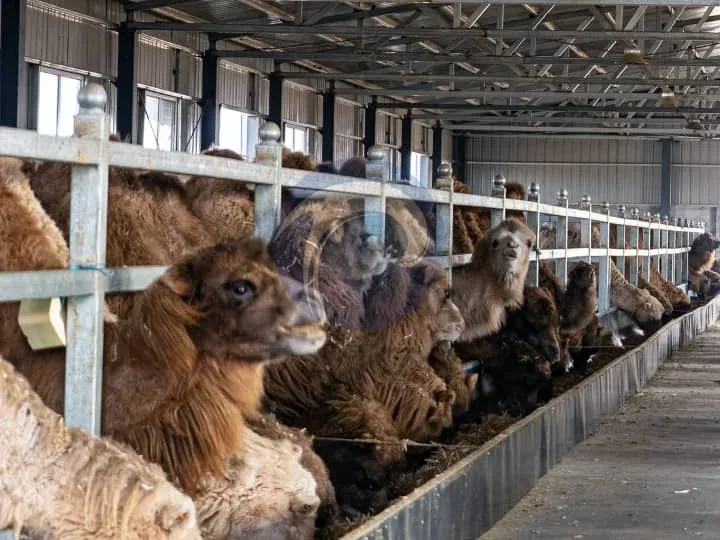
Our client, owner of the Camel Farm, operates a medium-sized facility located 120 kilometers northeast of Riyadh, housing 280 camels of various breeds, including the prized Mejahim and Maghateer breeds used in racing competitions.
Unique Nutritional Requirements of Camels
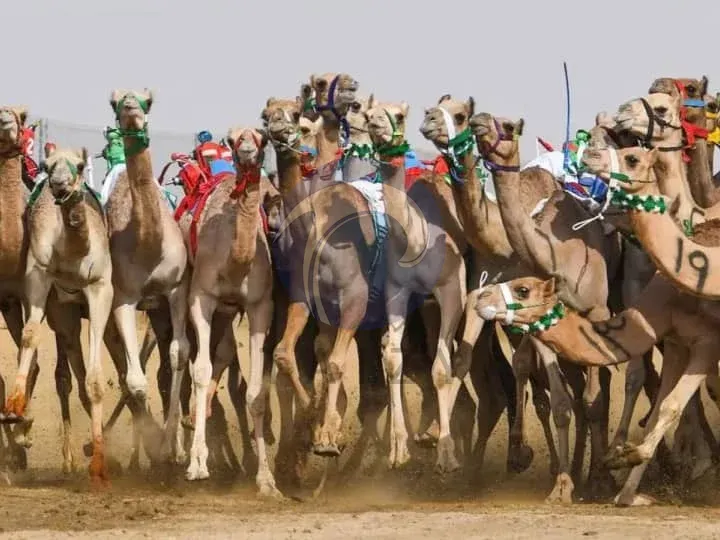
Camels have highly specialized digestive systems and nutritional needs that differ significantly from those of other livestock. The farm faced several critical challenges:
1. Extreme Climate Conditions
Saudi Arabia experiences extreme temperatures ranging from 15°C in winter to over 50°C in summer. Feed must remain stable and nutritious under these harsh conditions, with particular attention to:
- Heat resistance to prevent nutrient degradation
- Dust resistance to avoid contamination
- Moisture control to prevent mold growth
2. Specialized Nutritional Formula
Camels require a precise balance of nutrients that varies by age, purpose (racing, milk, breeding), and season:
| Nutrient Component | Racing Camels | Dairy Camels | Breeding Camels | Growing Calves |
|---|---|---|---|---|
| Crude Protein | 12-14% | 14-16% | 10-12% | 14-15% |
| Crude Fiber | 18-22% | 20-24% | 22-26% | 16-18% |
| Energy (ME) | 9-10 MJ/kg | 10-11 MJ/kg | 8-9 MJ/kg | 10-11 MJ/kg |
| Calcium | 0.6-0.8% | 0.8-1.0% | 0.5-0.7% | 0.7-0.9% |
| Phosphorus | 0.4-0.5% | 0.5-0.6% | 0.3-0.4% | 0.5-0.6% |
Nutritional requirements vary significantly by camel type and purpose
3. Feed Quality Consistency
Inconsistent feed quality from local suppliers was causing:
- Variable performance in racing camels
- Fluctuating milk production
- Digestive issues and health problems
- Difficulty in tracking nutritional intake
The Solution: Customized Camel Feed Pellet Machine
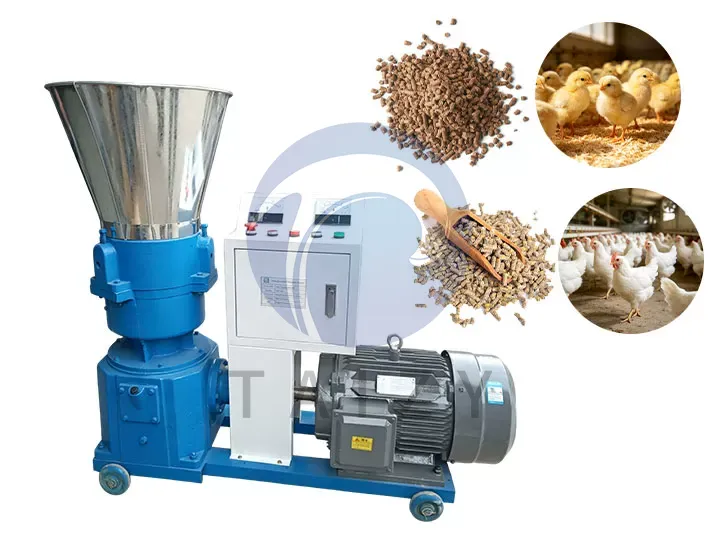
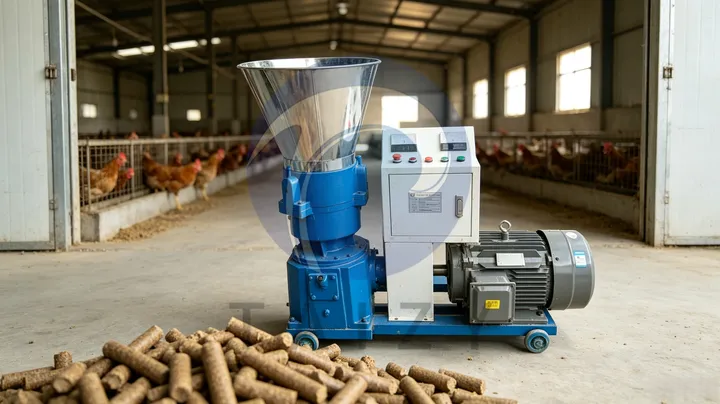
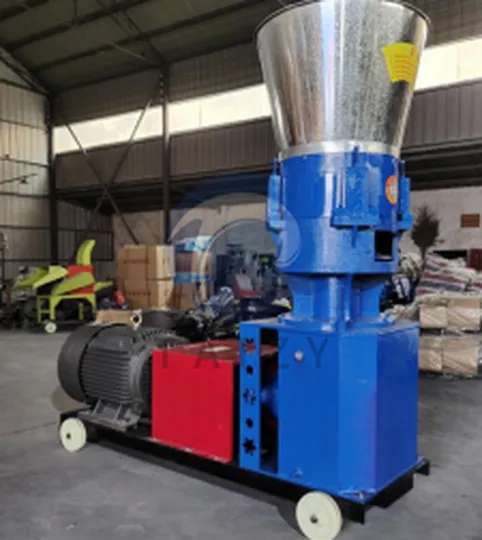
After extensive consultation and needs analysis, we provided a complete customized solution centered around our specialized camel feed pellet machine with unique features designed for Middle Eastern conditions.
Key Equipment Specifications
Model: TZ-CAMEL-500 (Customized)
- Capacity: 800-1200 kg/hour
- Power: 90 kW main motor + 7.5 kW feeder
- Die Material: Special alloy steel with enhanced heat resistance
- Die Hole Diameter: 8mm, 10mm, 12mm (interchangeable)
- Cooling System: Enhanced air cooling for desert conditions
Custom Die Design for Camel Feed
The heart of the system is our specially developed die with unique characteristics:
- L/D Ratio: 1:10 compression ratio optimized for high-fiber camel feed
- Hole Pattern: Customized arrangement for uniform pellet density
- Material: Stainless steel 304 with heat treatment for extended life
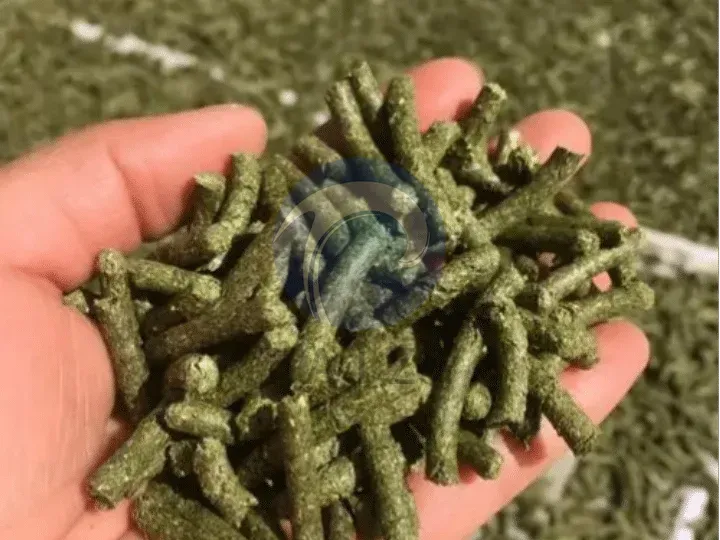
- Pellet Hardness: Adjustable 2-4 mm thickness for different camel ages
The custom die ensures proper gelatinization of starch and maintains nutrient integrity even under high-temperature processing conditions.
Complete Production Line Configuration
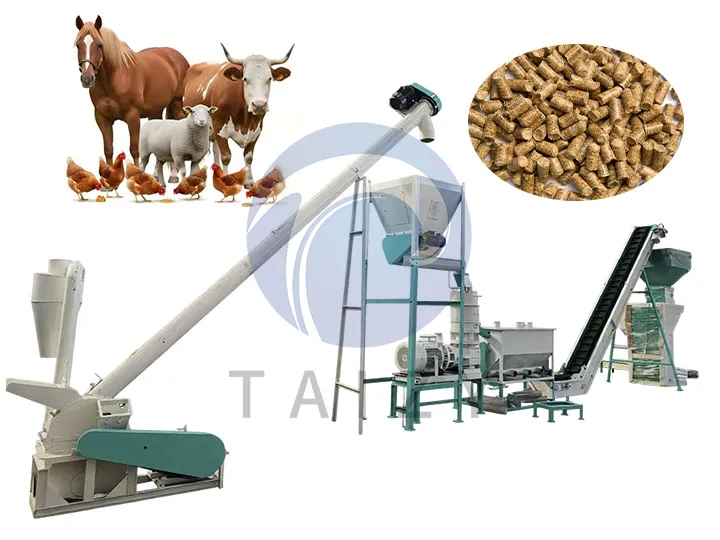
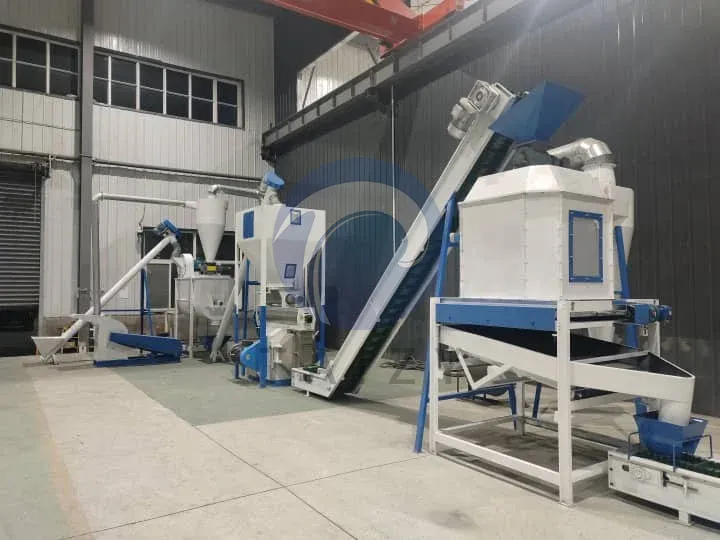
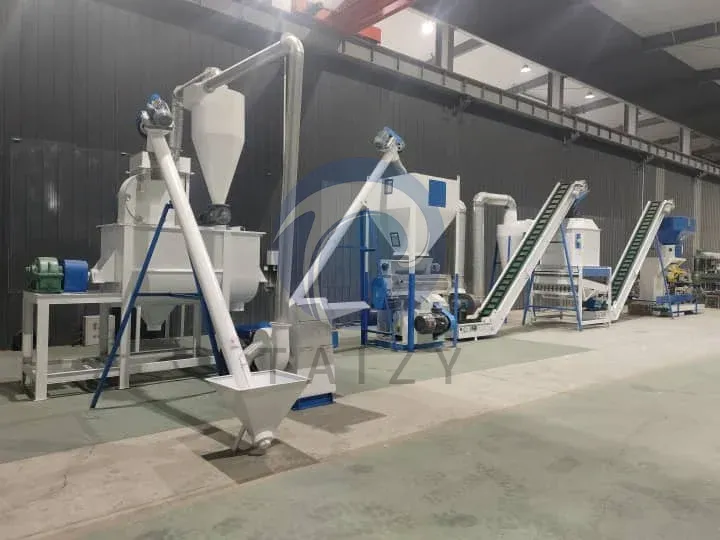
The camel feed production system includes:
- Hammer Mill: For grinding raw materials to a 2-3mm particle size
- Vertical Mixer: 500kg batch capacity with 98% uniformity
- Screw Conveyor: Automated material transfer
- Camel Feed Pellet Machine: Main processing unit
- Cooling System: Counter-flow cooler for hot pellets
- Vibrating Screen: Remove fines and ensure quality
- Automatic Packaging: 25-50kg bag filling station
Results & Performance
After 6 months of operation, the camel feed pellet machine has delivered exceptional results:
Production Performance
- Daily Output: 2.5-3 tons of camel feed pellets
- Operating Hours: 6-8 hours/day
- Energy Consumption: 45-55 kWh/ton
- Production Efficiency: 92% uptime
- Waste Reduction: <2% fines after screening
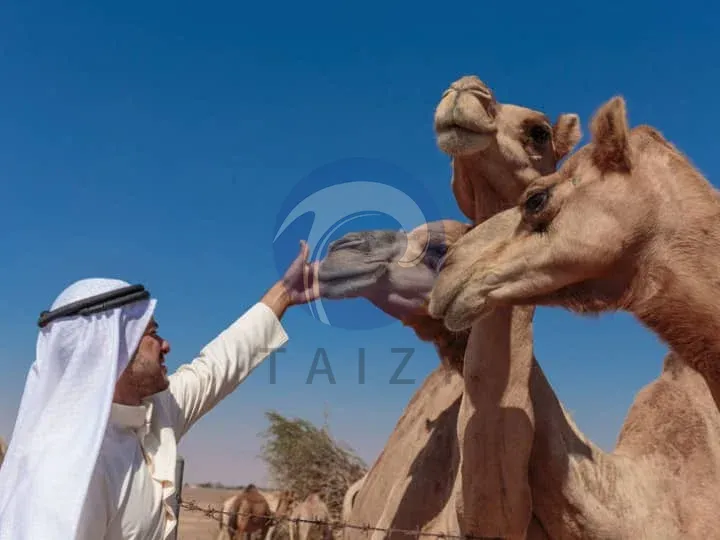
Camel Health Improvements
- Digestive Health: 40% reduction in digestive issues
- Body Condition: More consistent weight maintenance
- Coat Quality: Improved shine and texture
- Energy Levels: Better performance in racing camels
Economic Benefits
- Feed Cost Reduction: 25% savings compared to purchased feed
- ROI Period: Expected payback in 14 months
- Quality Control: 100% control over ingredient quality
- Inventory Management: Reduced storage space by 30%
Racing Performance
The farm reported notable improvements in racing performance:
- 3 camels won regional competitions in the first 4 months
- Recovery time between races reduced by 15%
- Overall stamina and endurance improved
Technical Adaptations for Desert Climate
Several key modifications were made to ensure optimal performance in Saudi Arabia’s harsh desert environment:
1. Enhanced Cooling System
- Oversized cooling fans for high ambient temperatures
- Heat-resistant lubricants rated to 70°C
- Thermal sensors for automatic shutdown if overheating
2. Dust Protection
- Sealed electrical cabinets with positive pressure
- Air filtration systems on all ventilation points
- Regular maintenance schedule for filter cleaning
3. Material Handling
- UV-resistant conveyor belts
- Corrosion-resistant coatings on all metal surfaces
- Enclosed material transfer to prevent contamination
Client Testimonial
“The specialized camel feed pellet machine has transformed our operation. We now produce feed that perfectly matches our camels’ nutritional needs. The racing performance improvements speak for themselves—our camels are healthier, stronger, and more competitive. The investment has already paid for itself in feed savings alone, not to mention the prize money from recent races.”
— Sheikh Abdullah Al-Rashid, Owner, Al-Barakah Camel Farm
Lessons Learned & Best Practices
Key insights from this project that can benefit other camel farming operations:
- Customization is Critical: Standard feed equipment cannot meet camel-specific requirements
- Climate Adaptation: Desert conditions require special engineering considerations
- Nutrition Expertise: Working with experienced nutritionists ensures optimal formulas
- Training Investment: Proper operator training maximizes equipment lifespan and performance
- Quality Ingredients: Even the best machine cannot compensate for poor raw materials
Conclusion
The successful implementation of the specialized camel feed pellet machine in Saudi Arabia demonstrates how modern technology can support and enhance traditional livestock farming practices.
By addressing the unique nutritional needs of camels and adapting equipment for extreme desert conditions, this project has delivered measurable improvements in animal health, performance, and farm profitability.
This case study serves as a model for other camel farming operations across the Middle East and North Africa, showing that with the right technology and expertise, cultural heritage and modern efficiency can coexist harmoniously.
Contact us today to discuss your camel feed production requirements and discover how our customized solutions can benefit your operation.