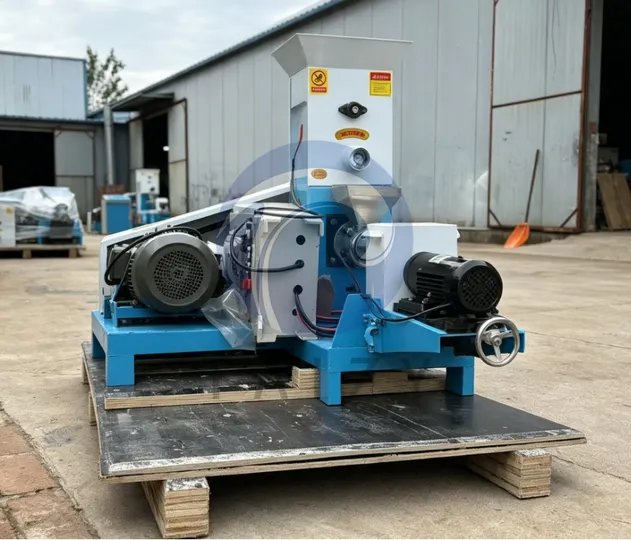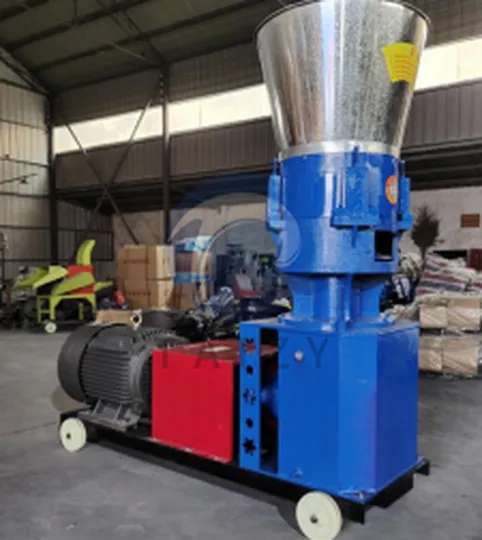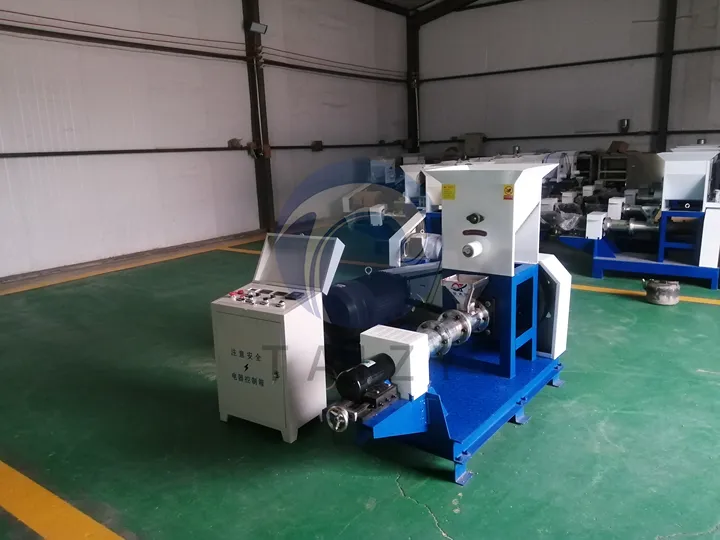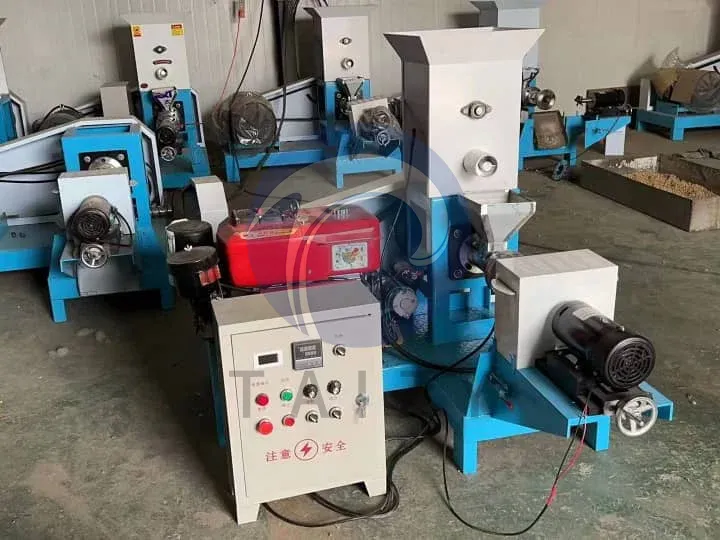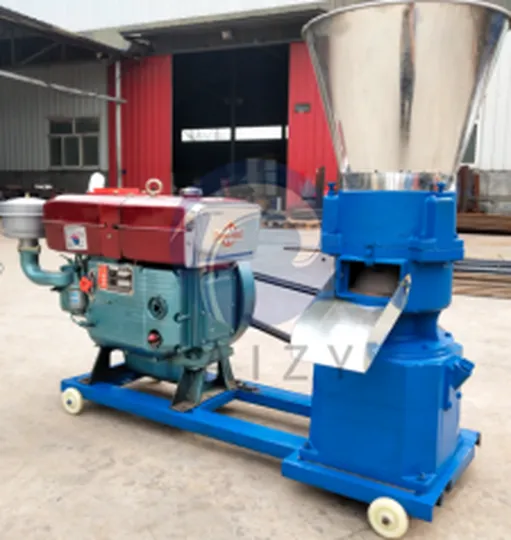
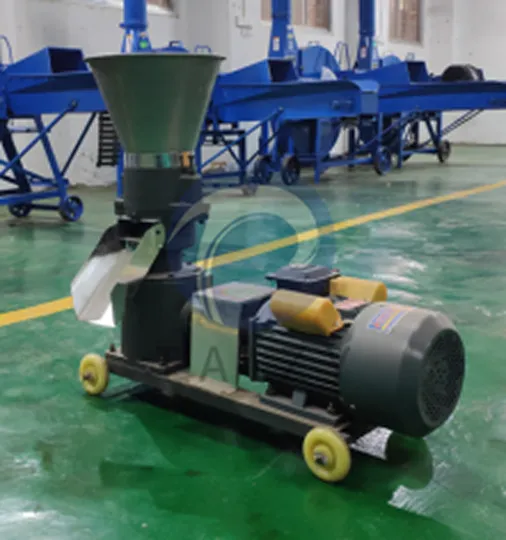
As feed costs continue to rise, more farmers, feed manufacturers, and agricultural entrepreneurs are considering producing their own feed pellets. The food pellet making machine offers an efficient way to convert raw materials such as corn, soybean meal, wheat bran, and grass powder into nutritious feed pellets, helping users improve feed quality while reducing long-term feeding costs.
However, when comparing equipment on the market, buyers often find that prices can vary significantly. Before requesting quotations, it is important to understand the key factors that influence the cost of a feed pellet machine.
产能
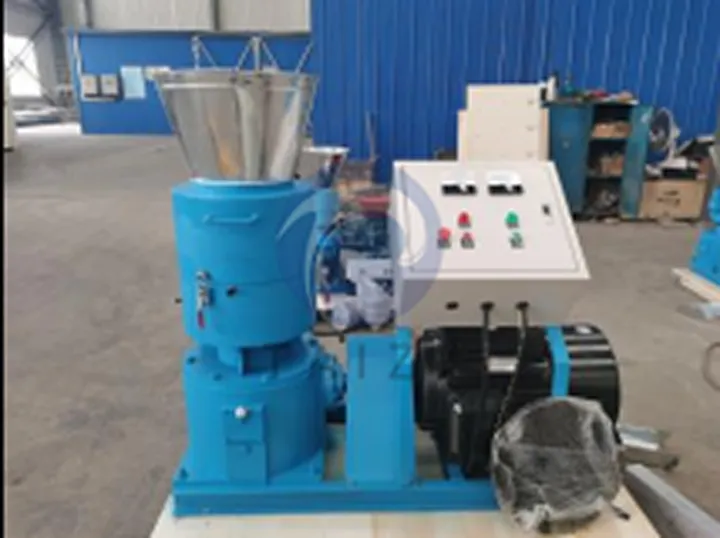
One of the most important factors affecting the feed pellet machine price is production capacity.
Small food pellet making machines designed for family farms generally have lower output and require a smaller investment. Commercial models capable of producing hundreds or even thousands of kilograms per hour are equipped with larger motors, stronger transmission systems, and more durable components.
In general, higher capacity means higher productivity and a higher machine price.
| 型号 | Capacity |
| TZ-120 | 80-100公斤/小时 |
| TZ-150 | 100-150公斤/小时 |
| TZ-210 | 200-300公斤 |
| TZ-230 | 300-450公斤/小时 |
| TZ-260 | 400-500公斤/小时 |
| TZ-300 | 600-700公斤/小时 |
Machine configuration
Not all food pellet making machines are configured the same way.
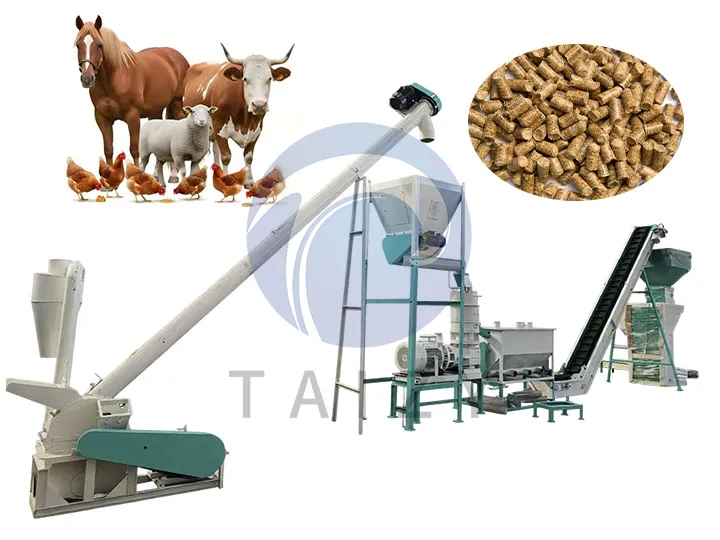
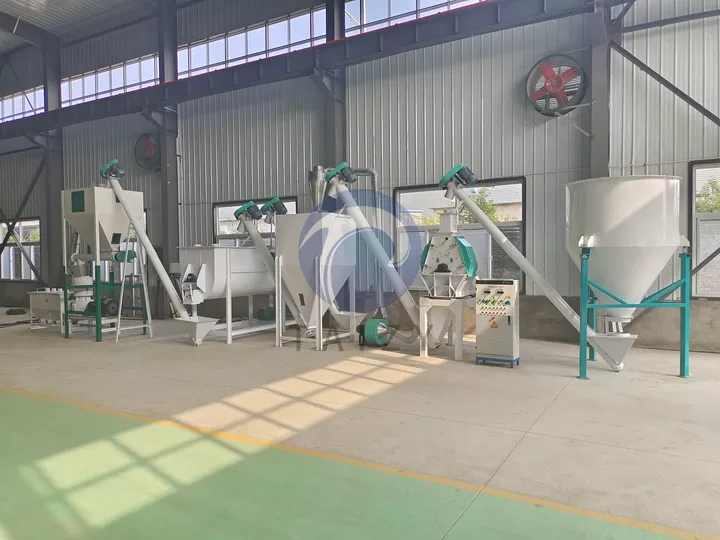
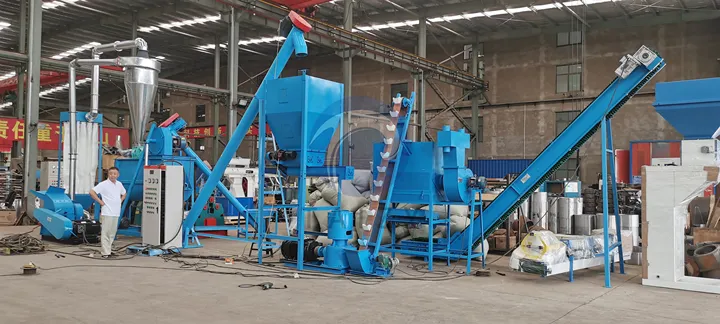
Basic models focus only on pellet production, while more advanced systems may include mixers, screw conveyors, cooling machines, screening equipment, or automatic packaging machine. These additional components can greatly improve production efficiency and reduce labour requirements.
For customers planning long-term feed production, investing in a complete production line often provides better value than purchasing individual machines separately.
Pellet quality requirements
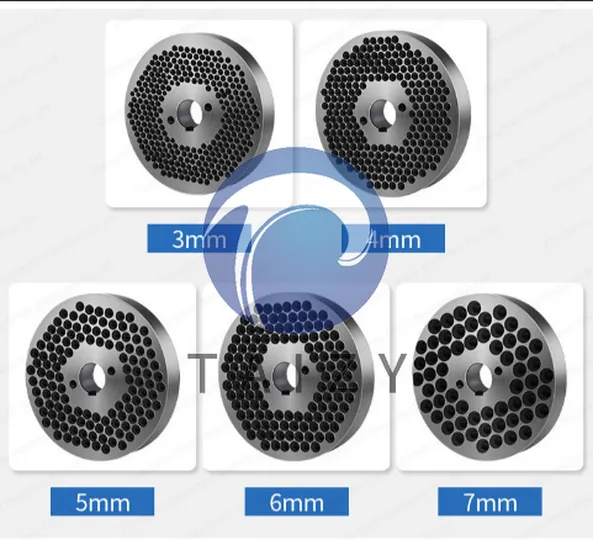
Different customers have different requirements for pellet size, density, and durability.
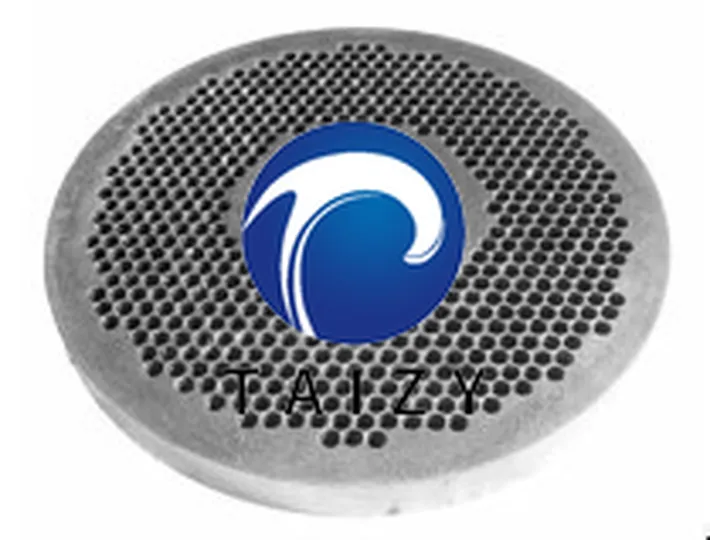
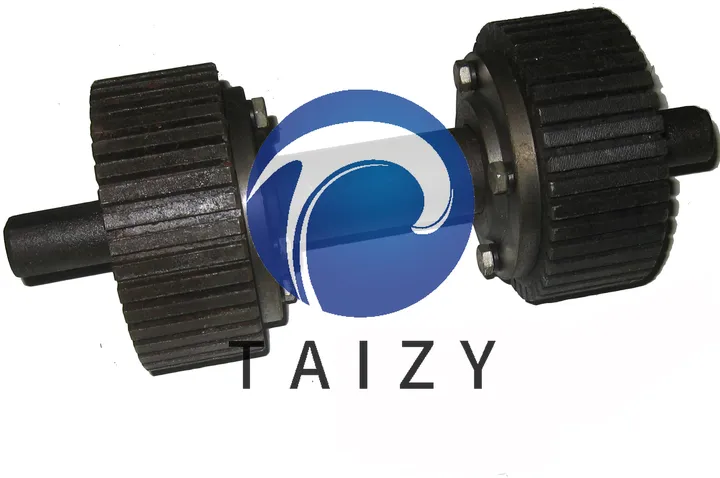
Food pellet making machines equipped with high-quality dies and rollers can produce more uniform pellets with better strength and appearance. While these premium components may increase the initial investment, they help improve feed quality and reduce maintenance costs over time.
Raw material types
The materials being processed can also affect equipment selection and pricing.
For example, machines used for poultry feed, livestock feed, fish feed, or biomass materials may require different configurations. Processing harder or more complex materials often requires more robust equipment, which can influence the final quotation.
Manufacturing quality
The durability of a pellet machine largely depends on the quality of its components.
The food pellet making machine, manufactured with wear-resistant materials, precision-machined parts, and reliable motors, generally offers longer service life and more stable operation. Although such machines may cost more initially, they often deliver lower operating costs and better returns over the long run.
Customization requirements
Many customers have unique production requirements regarding voltage, motor type, pellet size, factory layout, or production capacity.
Customized solutions can improve production efficiency and ensure the equipment matches specific business needs. However, customization may also affect the final machine price depending on the project requirements.
结论
The price of a Food Pellet Making Machine is influenced by several factors, including production capacity, machine configuration, raw material requirements, manufacturing quality, and customization options. Understanding these factors can help buyers compare equipment more effectively and choose a solution that matches their production goals and budget.
Whether you need a small feed pellet machine for farm use or a complete feed pellet production line for commercial manufacturing, selecting the right equipment is an investment that can improve productivity and profitability for years to come.