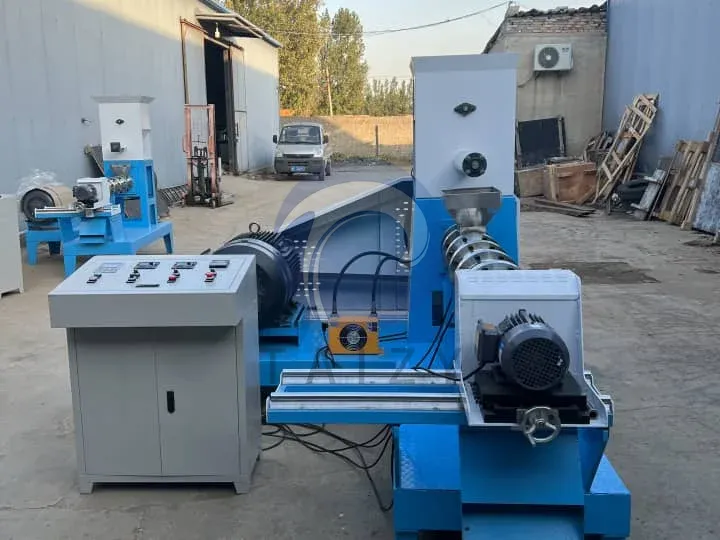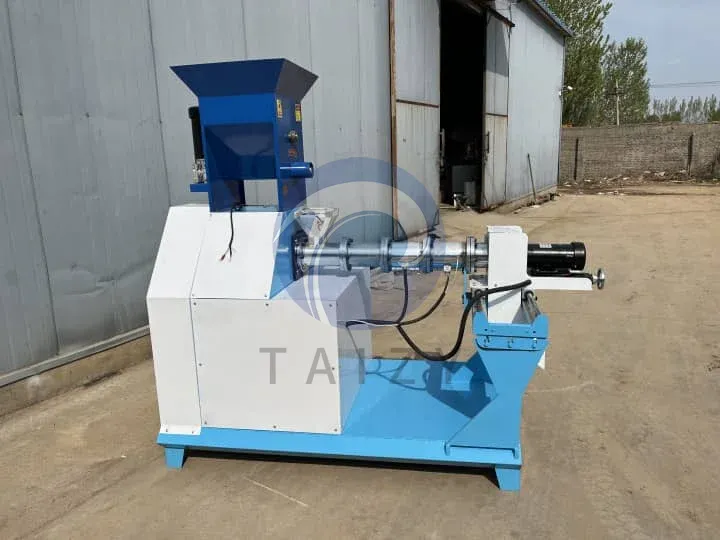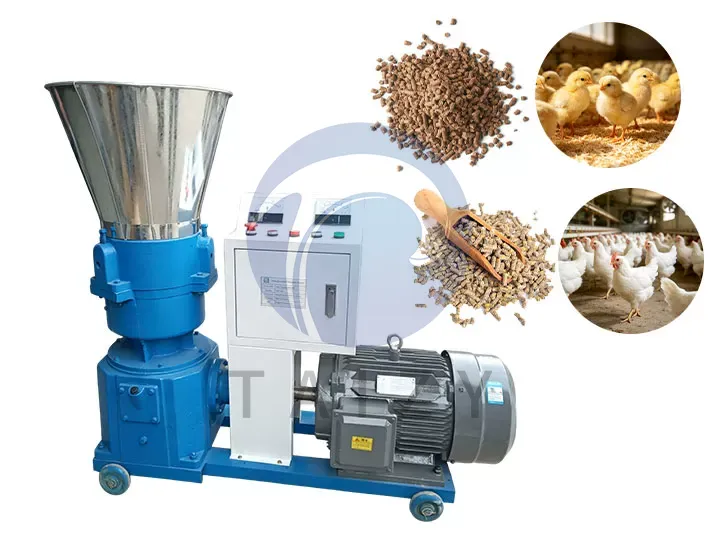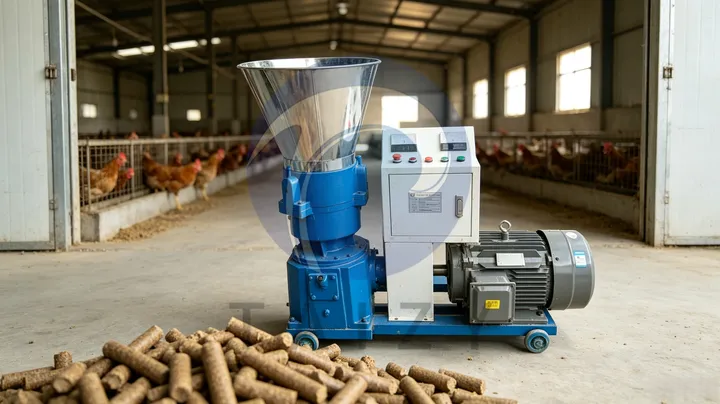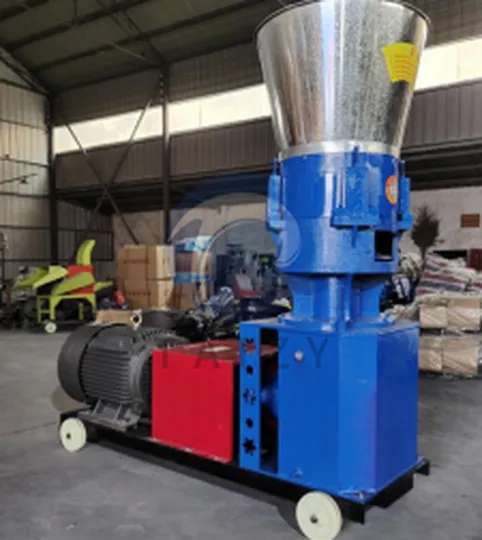
A catfish feed making machine helps fish farmers and commercial feed producers turn prepared ingredients into uniform catfish feed pellets. With capacities ranging from 40 to 1,200 kg/h and main motor power from 5.5 to 90 kW, it suits both small farms and commercial production.
The machine is suitable for aquaculture markets such as Nigeria, Ghana, Uganda, Kenya, and Indonesia, where demand for fish feed processing equipment supports local catfish farming.
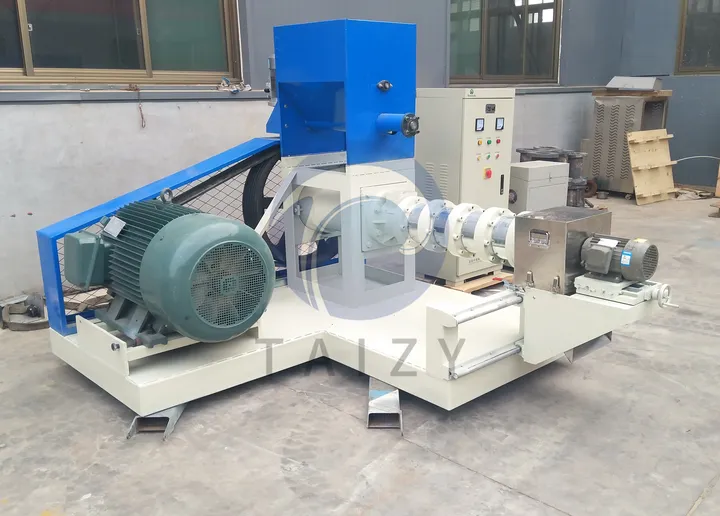
What Is a Catfish Feed Making Machine?
A catfish feed pellet machine is designed to process mixed feed ingredients into pellets of a suitable size for catfish. Common ingredients include fish meal, soybean meal, corn flour, wheat flour, and other nutritional additives, depending on the feed formulation.
The basic process involves preparing and mixing the ingredients, conditioning them when necessary, and feeding the mixture into the pelletizing or extrusion equipment. The finished pellets can then be dried or cooled as required before storage and use.
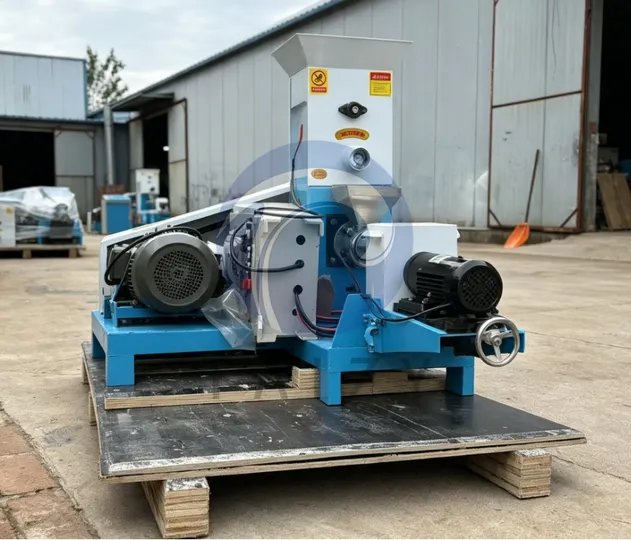
Key features of catfish feed making machines
- Uniform pellet formation: Suitable molds and processing parameters help produce pellets with consistent diameter, facilitating feeding and handling.
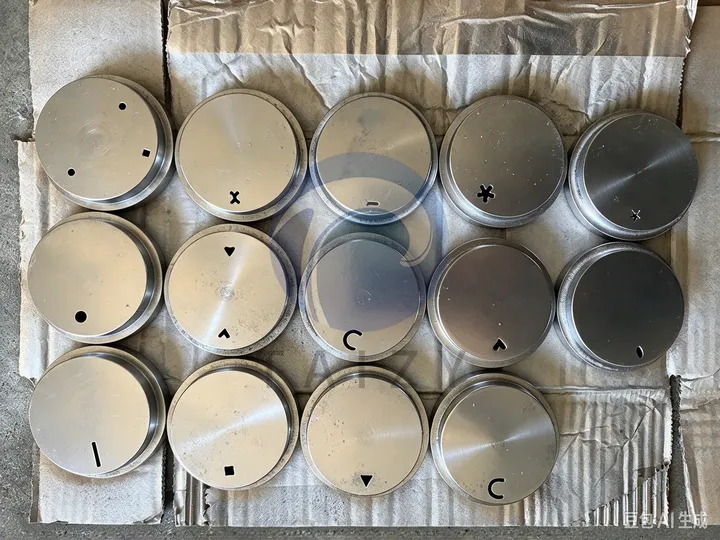
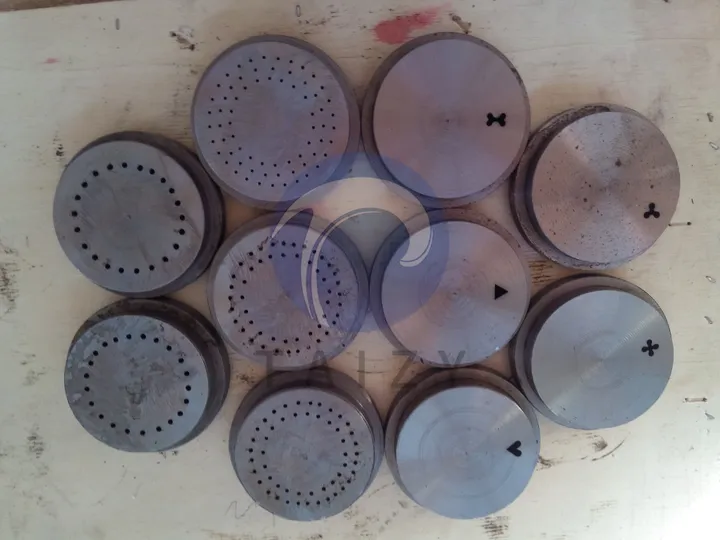
- Adjustable particle size: Depending on the machine model, particles ranging from 1 to 20 mm can be produced by changing the mold aperture or adjusting the configuration. Custom molds are also available.
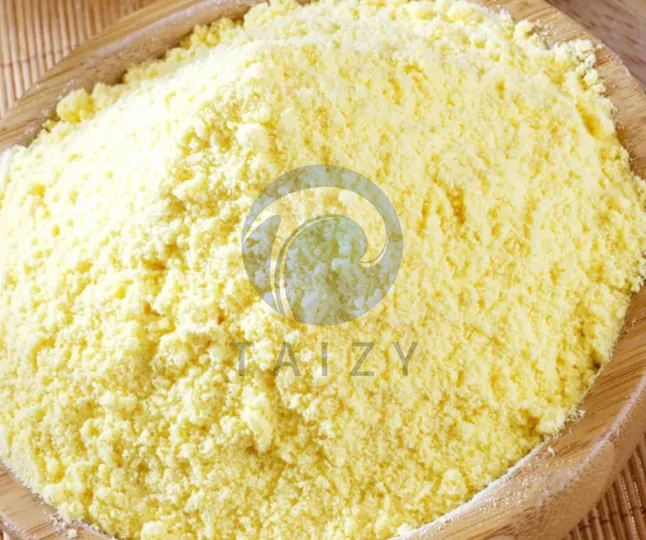
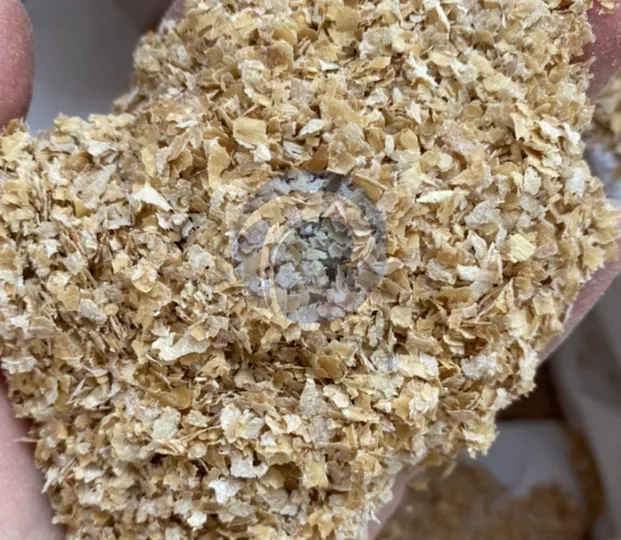
- Flexible raw material selection: This equipment can process feed mixtures composed of corn flour, wheat bran, soybean meal, fish meal, etc.
- High production efficiency: Mechanized pellet production reduces repetitive manual labor and ensures the stability of feed preparation quality.
- Scalability: Buyers can select the appropriate model based on daily feed requirements, available power supply, and budget.
Raw Materials for Catfish Feed Pellets
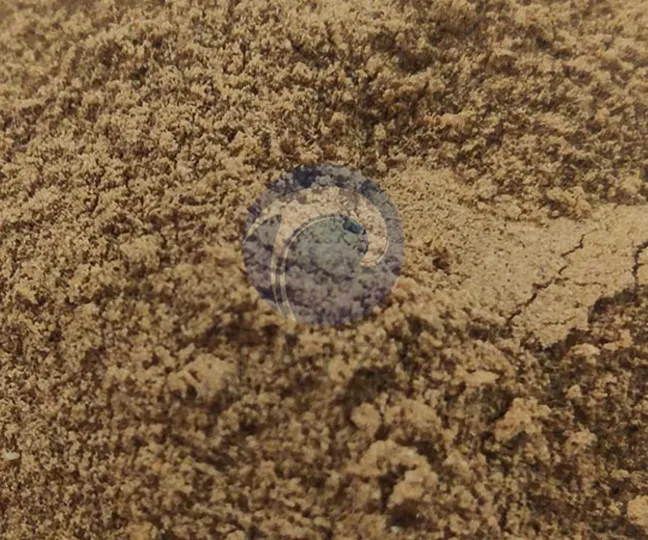
Catfish feed usually combines protein sources, energy ingredients, and other nutrients to meet the nutritional needs of the fish. Common ingredients may include:
| Raw material | Main purpose |
| Mchele wa samaki | Provide concentrated protein |
| Mchele wa soya | Supply plant-based protein |
| Corn flour | Provide energy |
| Tepung gandum | Contribute energy and can help with pellet binding |
| Bran and other suitable ingredients | Supplement the feed formulation |
| Vitamins and mineral additives | Help balance the nutritional profile |
Catfish Feed Making Machine Specifications
| Mfumo | Nguvu | Nguvu ya kuingiza | Nguvu ya kikata | capacity | Maskinvekt |
| 40 | 5.5/7.5KW | 0.4KW | 0.4KW | 40-50KG/H | 280KG |
| 50 | 11KW | 0.4KW | 0.4KW | 80-100KG/H | 320KG |
| 60 | 15KW | 0.4KW | 0.4KW | 100-150KG/H | 360KG |
| 70 | 18.5KW | 0.4KW | 0.4KW | 150-200KG/H | 450KG |
| 80 | 22KW | 0.4KW | 0.4KW | 200-300KG/H | 560KG |
| 90 | 30KW | 0.75KW | 1.1KW | 350-400KG/H | 800KG |
| 100 | 37KW | 1.1KW | 1.5KW | 400-500KG/H | 1000KG |
| 120 | 55KW | 1.5KW | 1.5KW | 500-600KG/H | 1500KG |
| 135 | 75KW | 1.5KW | 1.5KW | 800-900KG/H | 1700KG |
| 160 | 90KW | 2.2KW | 2.2KW | 1000-1200KG/H | 2000KG |
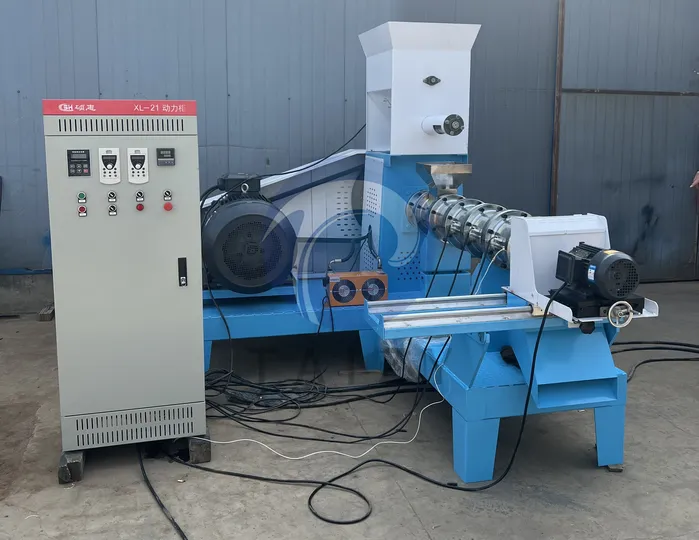
Floating vs. Sinking Catfish Feed Pellets
| Comparison | Sinking catfish feed | Floating catfish feed |
| Typical equipment | Suitable feed pellet machine | Suitable fish feed extruder |
| Feeding behavior | Sink in water | Remain afloat for a period |
| Processing requirements | Depend on the pellet machine and formulation | Usually requires extrusion and suitable processing conditions |
| Main selection factors | Pellet size, durability, and output | Floatability, water stability, pellet size, and output |
How to Choose the Right Catfish Feed Making Machine
Selecting the right equipment starts with your actual production requirements rather than machine price alone.
1. Determine your target capacity.
Estimate how much feed you need to produce per hour or per day. Choose a machine that matches your expected demand while allowing for practical operating time and maintenance.
2. Confirm the required feed type.
Decide whether you need sinking pellets or floating feed. This is one of the most important factors because the two products may require different processing technologies.
3. Check the required pellet size.
Catfish at different growth stages may require different pellet diameters. Confirm that the machine can produce the sizes you need.
4. Consider raw material preparation.
If your ingredients need grinding and mixing, you may need additional crushers och mixers. Uniform particle size and thorough mixing help support consistent pellet production.
5. Evaluate the complete operating cost.
Compare power requirements, wear parts, maintenance needs, installation conditions, and the availability of technical support—not just the initial purchase price.
Frequently Asked Questions
What raw materials can a catfish feed making machine process?
Depending on the machine and formulation, common ingredients include fish meal, soybean meal, corn flour, wheat flour, bran, and nutritional additives. Ingredients generally need to be properly ground and mixed before processing.
Can a fish feed pellet machine produce different pellet sizes?
Many machines support different pellet sizes through suitable dies or configurations. The available size range depends on the specific model, so confirm your target diameter before ordering.
Can one machine produce both floating and sinking catfish feed?
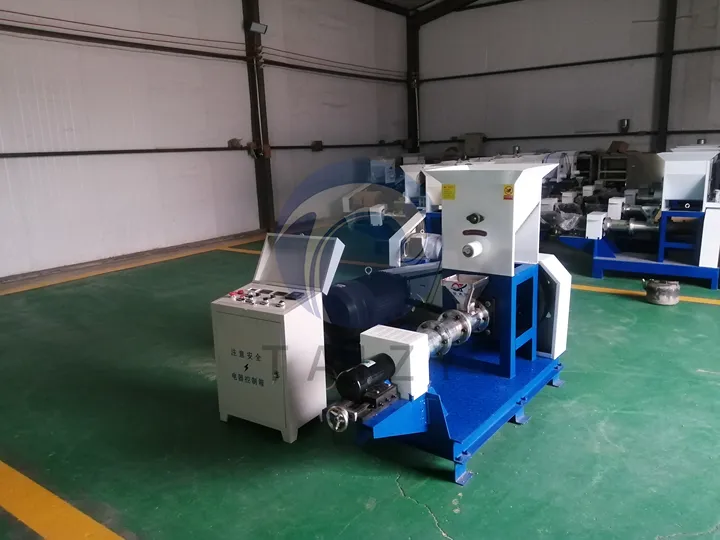
Both floating and sinking catfish feeds can be produced on the same machine simply by changing the screw.
What capacity should I choose?
The appropriate capacity depends on your daily feed demand, operating hours, and whether you are producing feed for your own farm or for commercial sale. Share your target output in kg/h or tons per day to help determine a suitable model.
Get a Suitable Catfish Feed Making Machine
To select the right catfish feed manufacturing machine, please contact us and provide details regarding your raw materials, required capacity, pellet diameter, and the type of feed you wish to produce. Our team can help you assess the appropriate machine configuration and the support equipment needed for the production process.