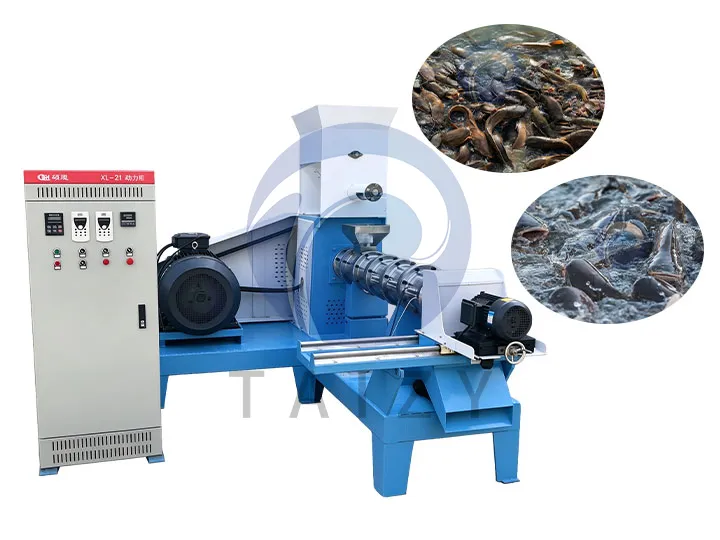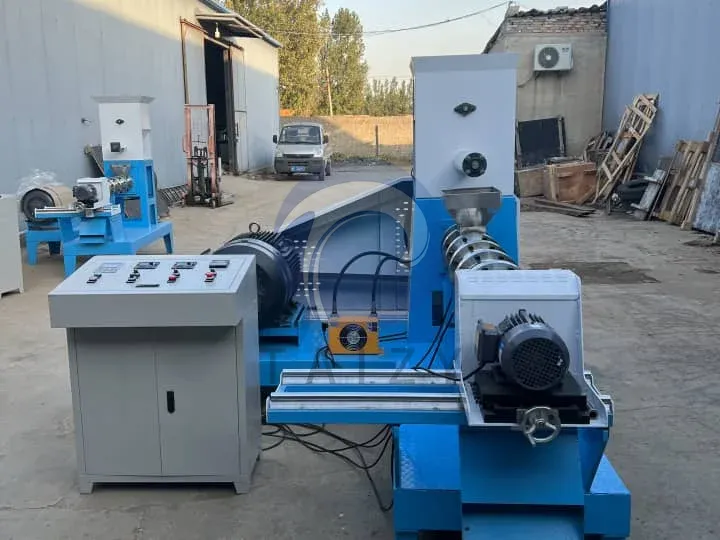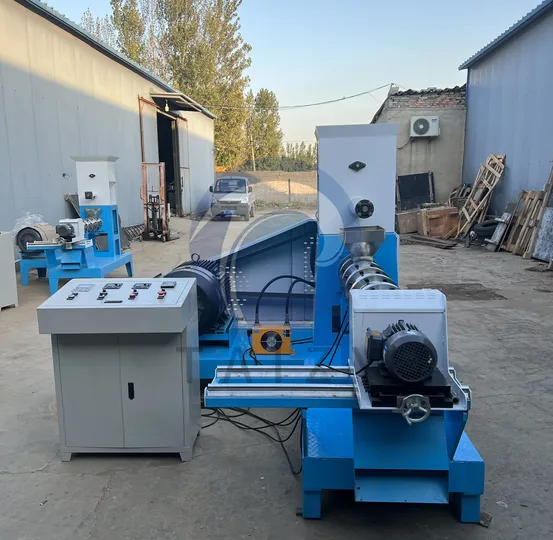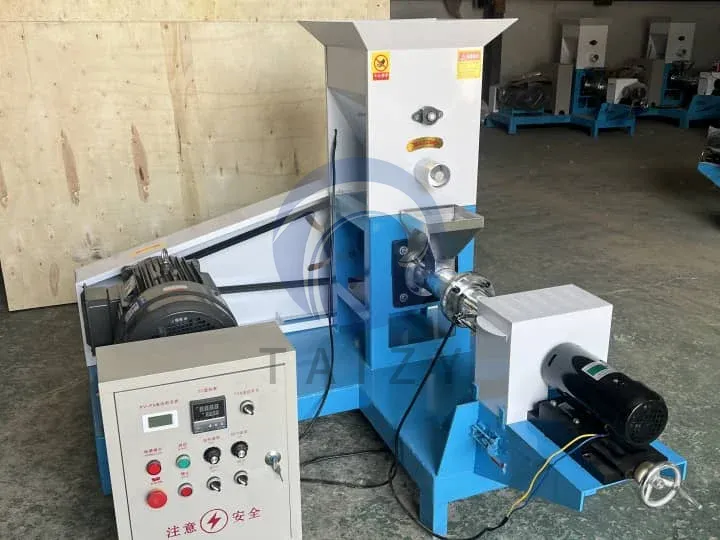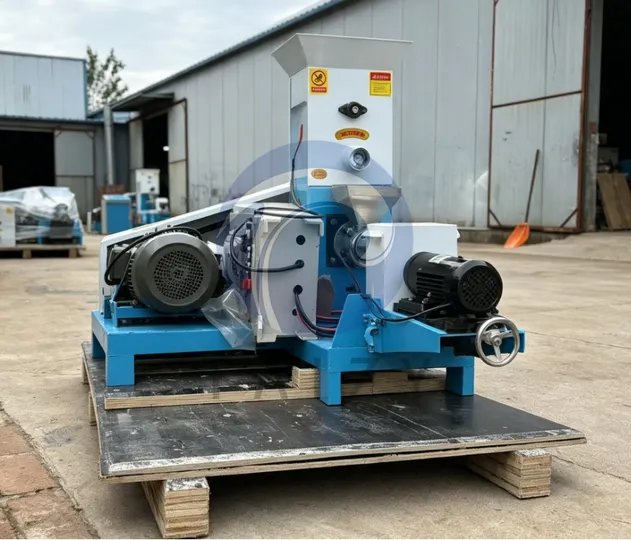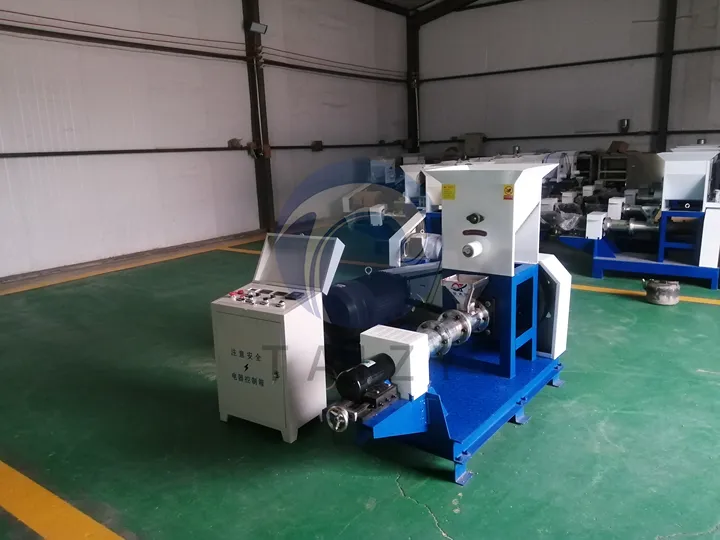
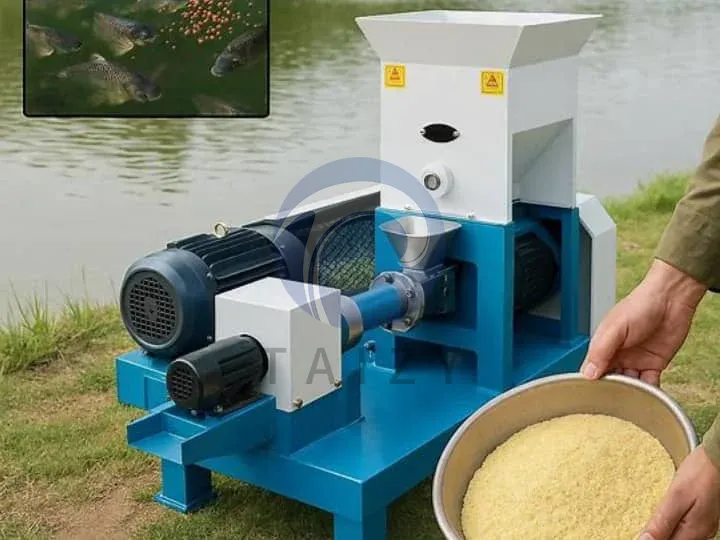
Choosing the right mashine ya pelleti za chakula cha samaki zinazofaa kuogelea is one of the most critical decisions for your aquaculture business’s success. Whether you’re running a small fish farm or a large commercial operation, the equipment you select directly impacts your feed costs, fish growth rates, and overall profitability.
This comprehensive guide will walk you through everything you need to know about selecting a fish feed pellet-making machine that matches your specific requirements, budget, and production goals.
Mengapa Pelet Pakan Ikan Terapung Penting untuk Akuakultur
Pelet pakan ikan terapung telah menjadi standar dalam akuakultur modern karena beberapa alasan menarik:
- Pemantauan pakan: Pelet terapung memungkinkan Anda mengamati perilaku makan ikan dan menyesuaikan tingkat pemberian pakan secara tepat
- Perlindungan kualitas air: Pakan terapung yang tidak dimakan dapat dihapus, mencegah pencemaran air
- Pencernaan yang lebih baik: Proses ekstrusi memasak pakan, meningkatkan pencernaan dan penyerapan nutrisi
- Versatilitas: Kisasa mesin pelet pakan ikan terapung dapat memproduksi pakan terapung dan tenggelam dengan mengubah bagian sederhana
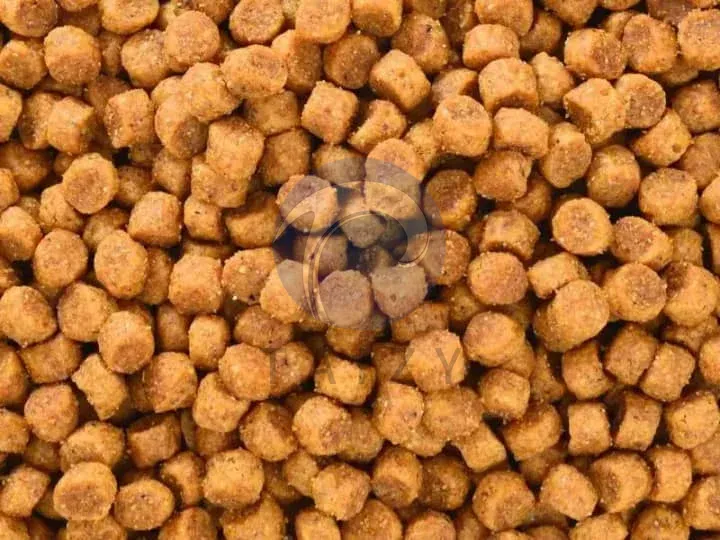
Investing in a quality mashine ya kutengeneza pellet za chakula cha samaki kinachoteleza enables you to produce high-quality feed on-site, reducing costs and ensuring freshness.
Faktor Utama dalam Memilih Mesin Pelet Pakan Ikan Terapung yang Tepat
1. Persyaratan Kapasitas Produksi
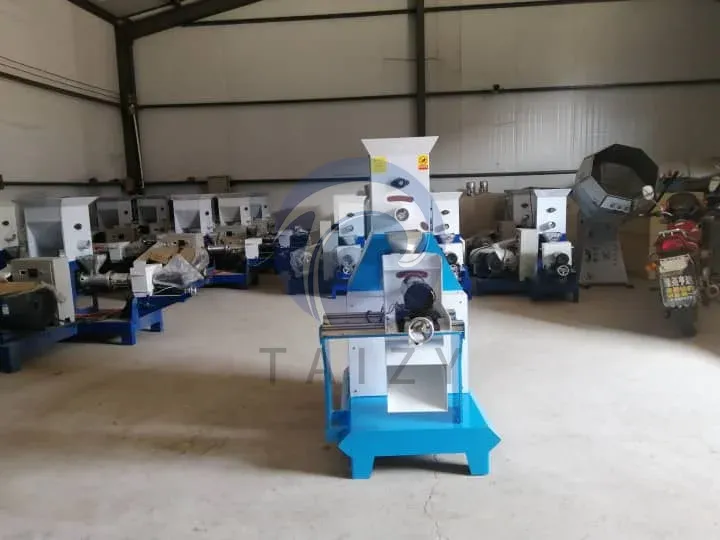
Capacity is the first and most important consideration. Floating fish feed pellet machines are available in various capacities ranging from 40kg/h to 2 tons per hour:
| Skala Operasi | Kapasitas yang Direkomendasikan | Model yang Sesuai |
| Peternakan ikan kecil / Penggunaan rumah | 40-100 kg/jam | DGP40, DGP50, DGP60 |
| Operasi akuakultur menengah | 200-500 kg/jam | DGP80, DGP90, DGP100 |
| Peternakan komersial besar | 600kg/jam – 2t/jam | DGP120, DGP160, DGP200 |
Saat menghitung kebutuhan kapasitas Anda, pertimbangkan:
- Konsumsi pakan harian stok ikan Anda
- Jumlah sesi pemberian pakan per hari
- Rencana ekspansi masa depan
- Jam operasional yang dapat Anda komitmen
2. Opsi Sumber Daya Listrik
One of the advantages of modern fish feed pellet-making machines is the variety of power options available:
- Motor listrik: Yang paling umum, biaya efektif untuk daerah dengan pasokan listrik yang stabil
- Mesin diesel: Ideal untuk lokasi terpencil atau daerah dengan pasokan listrik yang tidak dapat diandalkan
- Daya ganda: Beberapa model menawarkan opsi listrik dan diesel untuk fleksibilitas
For African and Southeast Asian markets where electricity can be inconsistent, diesel-powered floating fish feed machines are particularly popular due to their reliability and independence from grid power.
3. Kompatibilitas Bahan Baku
Different fish species and growth stages require different feed formulations. A quality extruder ya chakula cha samaki should handle various raw materials:
- Tepung jagung dan tepung jagung
- Mchele wa soya
- Mchele wa samaki
- Dedak beras
- Tepung gandum
- Premix vitamin dan mineral
The professional mashine ya kutengeneza pellet za chakula cha samaki kinachoteleza uses high temperature and pressure extrusion, which can process these materials into nutritious, well-cooked feed pellets.
4. Fleksibilitas Ukuran dan Bentuk Pelet
Different fish species and life stages require different pellet sizes. Look for a mashine ya kulishia samaki that offers:
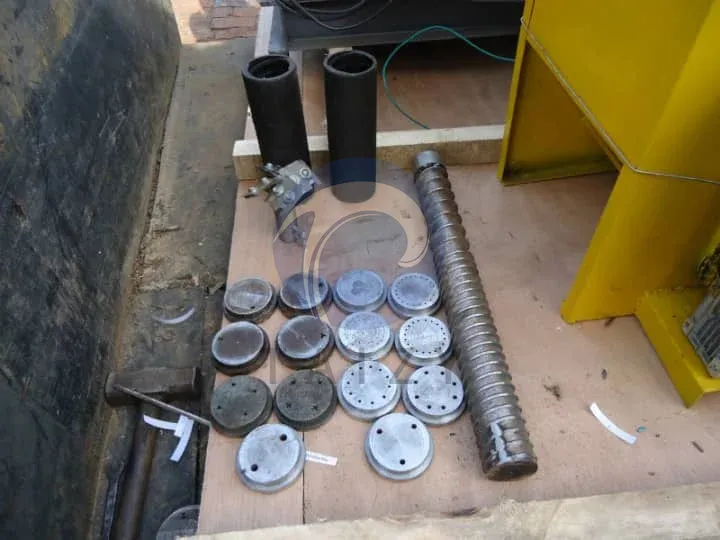
- Beberapa pilihan cetakan (diameter 1mm hingga 12mm)
- Sistem penggantian cetakan yang mudah
- Mekanisme pemotongan yang dapat disesuaikan untuk panjang pelet
- Opsi untuk produksi pakan terapung dan tenggelam
Memahami Investasi: Biaya vs. Nilai
While price is important, focusing solely on the initial cost of a Mashine ya pellets ya chakula cha samaki kinachobeba upande wa kulia can be misleading. Consider the total value:
- Kualitas bangunan: Sekrup dari stainless steel dan konstruksi baja karbon memastikan umur panjang
- Efisiensi energi: Mengurangi biaya operasional selama masa pakai mesin
- Ketersediaan suku cadang: Akses mudah ke cetakan, sekrup, dan bagian aus lainnya
- Dukungan teknis: Dukungan produsen untuk instalasi dan pemecahan masalah
- Garansi: Perlindungan terhadap cacat produksi
A well-built mashine ya kutengeneza pellet ya chakula cha samaki from a reputable manufacturer like Taizy Machinery represents an investment that pays for itself through reduced feed costs and improved fish health.
Pertimbangan Linimasa Produksi Lengkap
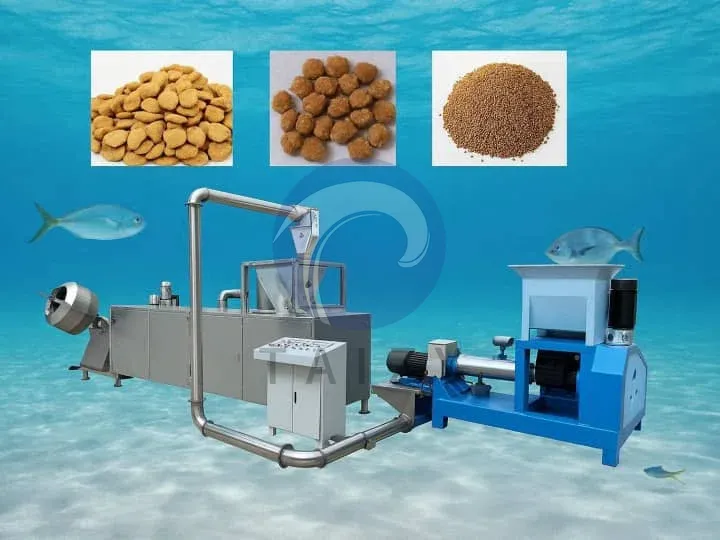
For serious aquaculture operations, consider a complete floating fish feed production line rather than just the pellet machine alone. A typical production line includes:
- Penggiling/Crusher: Menyiapkan bahan baku ke ukuran partikel yang tepat
- Mixer: Memastikan distribusi bahan dan aditif yang seragam
- Screw Conveyor: Memindahkan bahan ke ekstruder secara otomatis
- Ekstruder Pakan Ikan: Mesin inti yang memproduksi pelet
- Pengering: Mengurangi kandungan kelembapan untuk penyimpanan yang lebih baik
- Mesin Penyemprot Minyak: Menambahkan lapisan lemak untuk energi dan daya tarik
- Kulkas: Membawa pelet ke suhu kamar untuk pengemasan
Pendekatan terintegrasi ini memaksimalkan efisiensi dan kualitas pakan sekaligus meminimalkan biaya tenaga kerja.
Kisah Sukses Dunia Nyata
Fish farmers worldwide have transformed their operations with the right mashine ya pelleti za chakula cha samaki zinazofaa kuogelea. In Nigeria, a medium-sized fish farm increased production by 40% after switching to homemade floating feed. In Burma, a government procurement of 50 fish feed machines supported the development of the national aquaculture industry.
These success stories demonstrate that choosing the right floating fish feed pellet machine mashine ya kutengeneza pellet ya chakula cha samaki can be a game-changer for aquaculture businesses of all sizes.
Pengambilan Keputusan Akhir
Before purchasing your mashine ya pelleti za chakula cha samaki zinazofaa kuogelea, take these final steps:
- Hitung kebutuhan kapasitas Anda secara tepat berdasarkan stok ikan dan rencana pertumbuhan
- Evaluasi situasi daya Anda dan pilih sumber daya yang sesuai
- Daftar sumber bahan baku Anda dan verifikasi kompatibilitas mesin
- Minta demonstrasi atau video mesin saat beroperasi
- Verifikasi ketersediaan suku cadang dan dukungan purna jual
- Bandingkan garansi dan penawaran dukungan teknis
Remember, the goal is not just to buy a machine, but to invest in a solution that will serve your aquaculture business for years to come. A quality floating fish feed pellet-making machine is a partnership between you and the manufacturer.
Slutsats
Choosing the right mashine ya pelleti za chakula cha samaki zinazofaa kuogelea requires careful consideration of your capacity needs, power options, raw materials, and budget. By understanding these factors and working with a reputable manufacturer, you can select equipment that will enhance your aquaculture operation’s efficiency and profitability.
Whether you’re a small-scale farmer looking to reduce feed costs or a commercial operation aiming to maximize production, there’s a mashine ya kutengeneza pellet ya chakula cha samaki that’s perfect for your needs. Take the time to research, compare options, and make an informed decision—your fish (and your bottom line) will thank you.
Ready to explore your options? Browse our range of professional mesin pelet pakan ikan terapung and find the perfect solution for your aquaculture business.