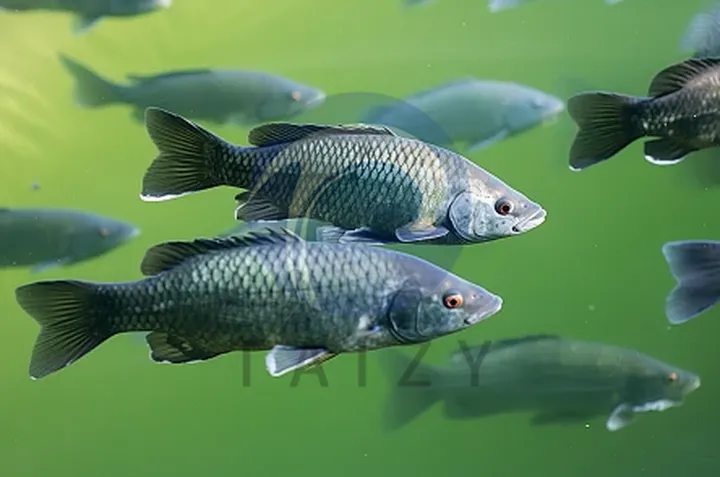
Tilapia is one of the most widely farmed freshwater fish in many tropical and subtropical regions, valued for its relatively fast growth, adaptability to different farming environments, and steady demand in local and international markets.
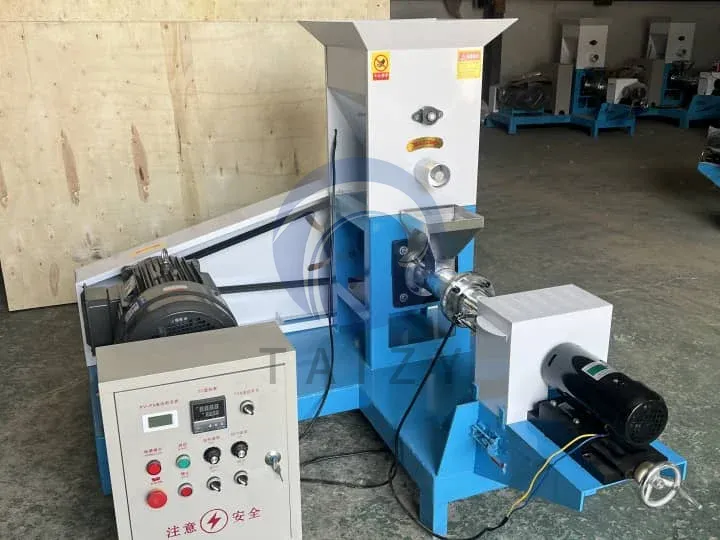
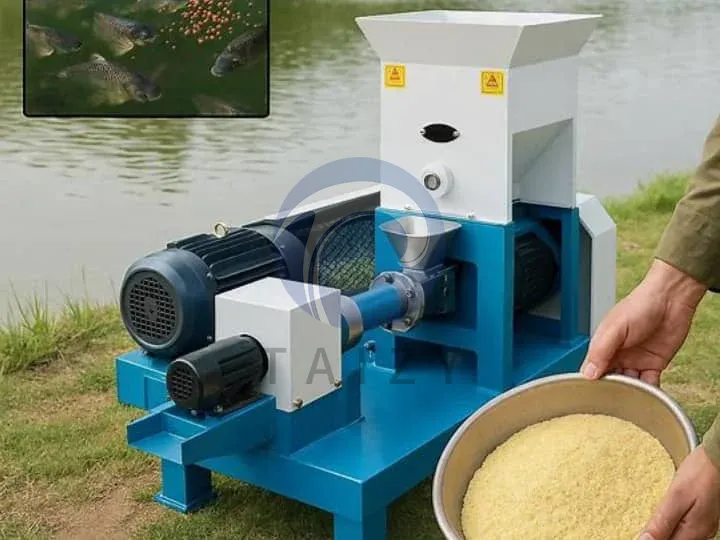
For small and medium-sized fish farms, using locally available ingredients to produce feed can offer more flexibility in feed preparation. A fish feed maker machine can then be used to turn the prepared feed mixture into uniform pellets for convenient feeding and handling.
But how do you make tilapia feed with a pellet machine? The process usually involves selecting suitable ingredients, preparing and mixing them, choosing an appropriate pellet size, and processing the mixture through the fish feed pellet machine.
What Ingredients Are Used to Make Tilapia Feed?
The ingredients used for tilapia feed depend on the fish’s growth stage, the local availability of raw materials, and the desired nutritional composition.
Common ingredients include:
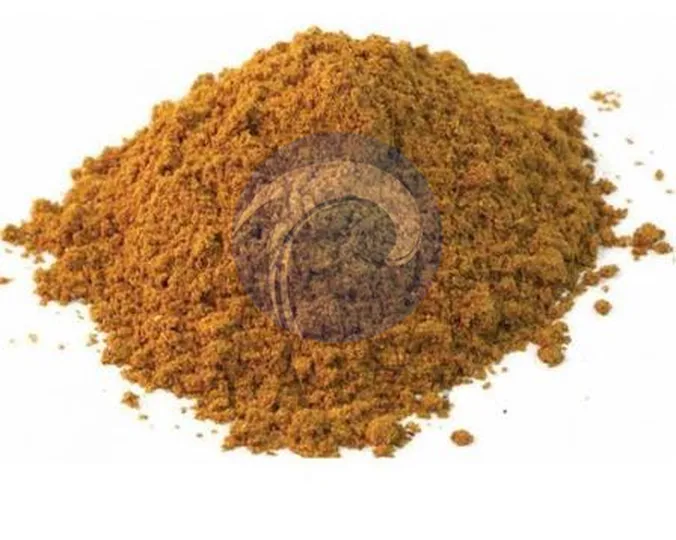
- Corn or corn meal
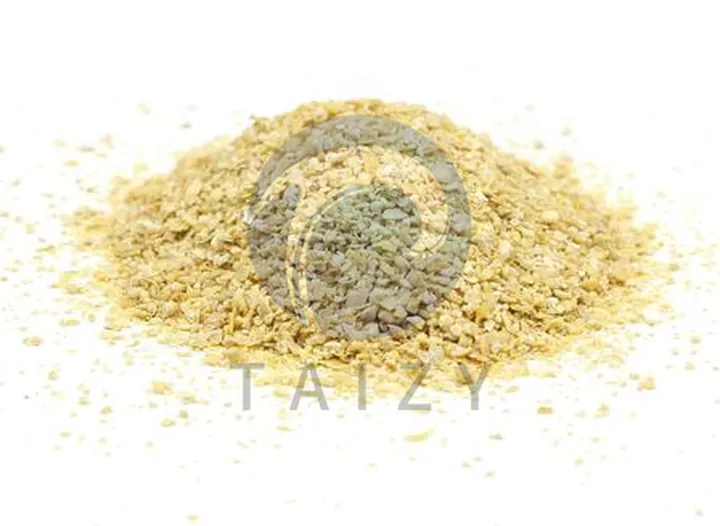
- Soybean meal
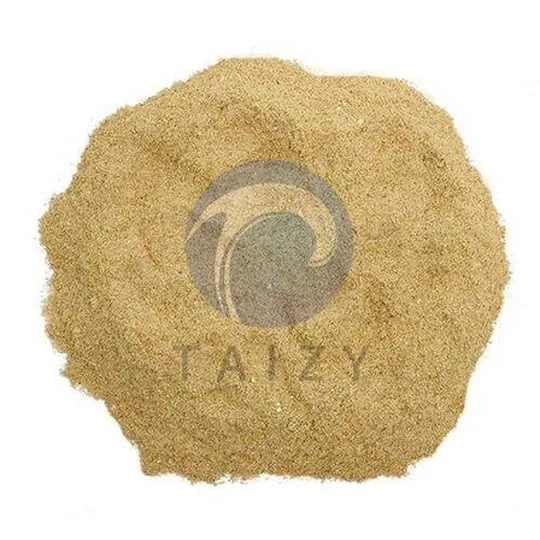
- Rice bran
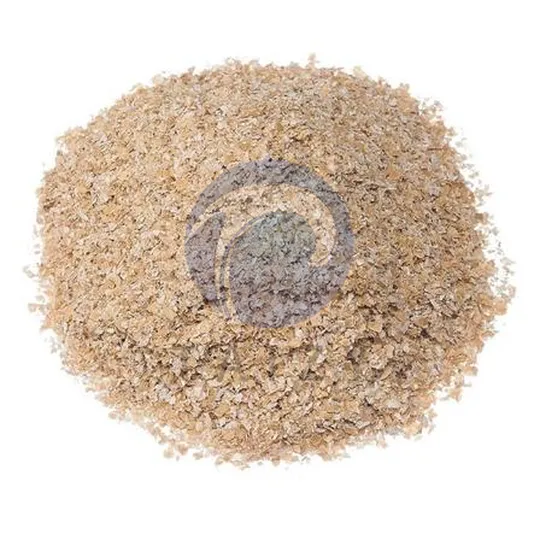
- Wheat bran
- Fish meal
- Other protein or energy sources
- Vitamin and mineral premixes when required
For farms that already have access to agricultural materials, these ingredients can be prepared and mixed according to a suitable feed formula before pellet production.
The important point is that a fish feed maker machine does not determine the nutritional formula. The feed mixture should first be formulated according to the nutritional requirements of tilapia.
How to Make Tilapia Feed Pellets?
The basic production process is straightforward:
Raw materials → Crushing → Mixing → Pelletizing → Cooling/Drying → Storage
Prepare the Raw Materials
Large or coarse ingredients should be crushed into a suitable particle size before pelletizing. A relatively uniform material helps the ingredients mix more evenly and allows the pellet machine to process the mixture more consistently.
Mix the Feed Ingredients
The prepared ingredients are thoroughly mixed according to the selected tilapia feed formula.
Good mixing is important because each pellet should contain a reasonably consistent combination of the feed ingredients.
Feed the Mixture into the Fish Feed Maker Machine
The mixed material is then supplied to the fish feed processing machine.
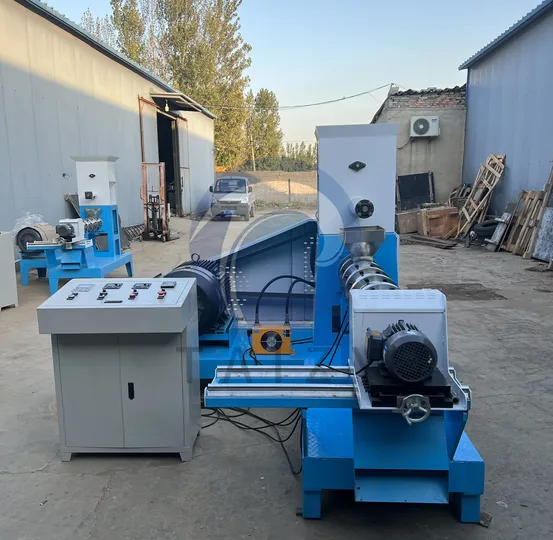
The machine compresses the prepared feed mixture through a die to form cylindrical pellets. The pellet diameter can be selected according to the machine configuration and the feeding requirements.
For a small fish farm, a compact feed pellet machine can be used to produce feed on site without setting up a complete industrial feed production line.
Cool or Dry the Fresh Pellets
Freshly produced pellets may contain moisture and can be relatively soft immediately after pelletizing. Depending on the feed formulation and production method, the pellets can be cooled or dried before storage.
Proper storage helps maintain pellet quality and reduces the risk of moisture-related problems.
What Pellet Size Is Suitable for Tilapia?
Tilapia do not require the same pellet size throughout their growth cycle. Smaller fish generally need smaller feed particles, while larger fish can consume larger pellets.
Therefore, choosing the appropriate die size is an important consideration when producing tilapia feed pellets.
A farm producing feed for different growth stages may keep different dies available so that the pellet diameter can be adjusted according to the fish size.
What Fish Can Be Fed with a Fish Feed Maker Machine?
A floating fish feed machine can be used to produce pellet feed for a wide range of farmed fish. The specific feed formula and pellet size should be adjusted according to the fish species, growth stage, and feeding requirements.
Common fish species that can be fed with pellets produced by a fish feed pellet machine include:
| Fish species | Typical farming application |
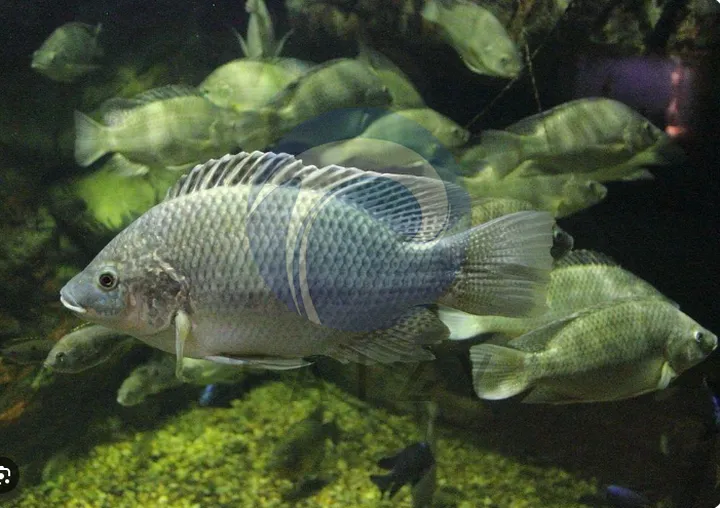
| Tilapia | Freshwater pond and tank farming |
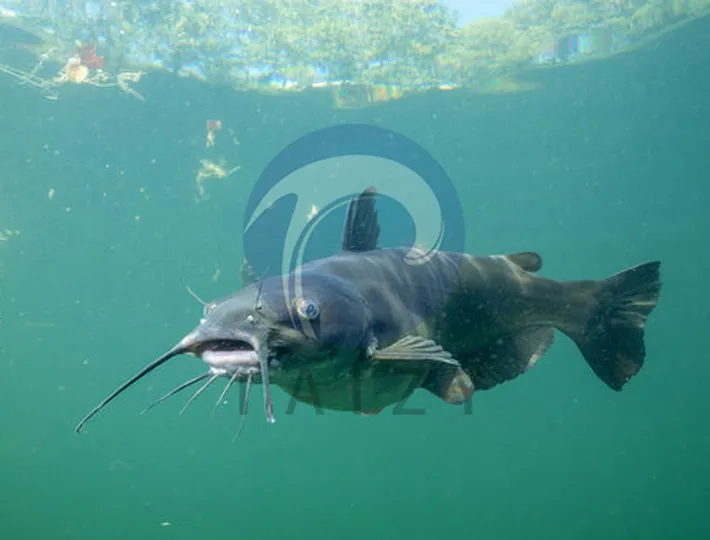
| Catfish | Commercial freshwater aquaculture |
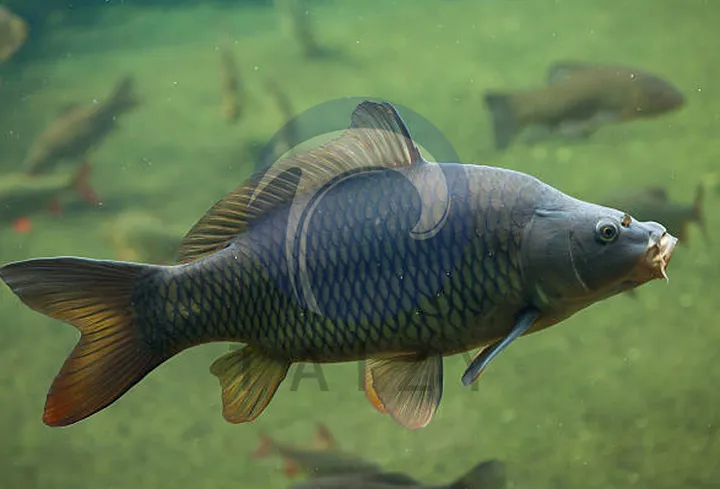
| Carp | Pond and freshwater fish farming |
| Grass carp | Freshwater aquaculture |
| Common carp | Pond and intensive farming |
| Trout | Cold-water fish farming |
| Silver carp | Freshwater pond farming |
| Crucian carp | Pond and small-scale aquaculture |
Who Can Use a Fish Feed Maker Machine?
This type of equipment can be considered by:
- Small tilapia farms
- Family-owned aquaculture farms
- Medium-sized fish farms
- Fish feed producers
- Agricultural businesses using locally available feed ingredients
For a small farm, the required capacity may be much lower than that of a commercial feed factory. Selecting a machine according to actual daily feed demand can help avoid unnecessary equipment investment.
From Tilapia Feed Ingredients to Finished Pellets
If you are planning to produce tilapia feed and need a suitable fish feed maker machine, contact us with your required feed capacity, raw materials, and pellet size. We can recommend a machine configuration according to your production needs.