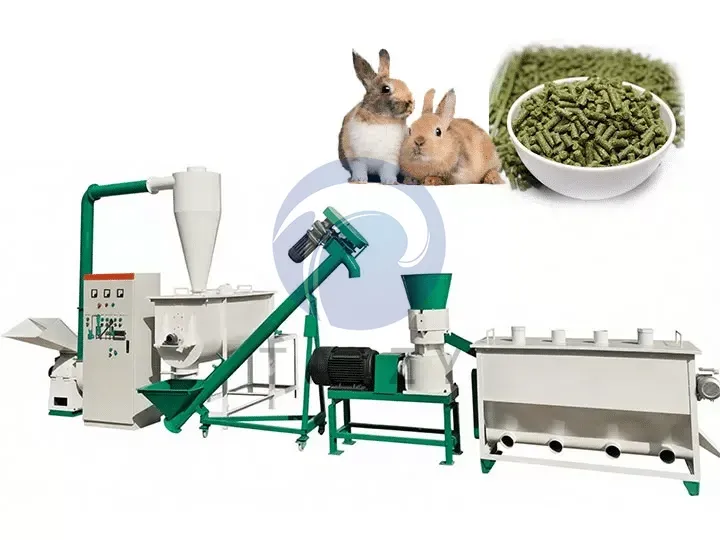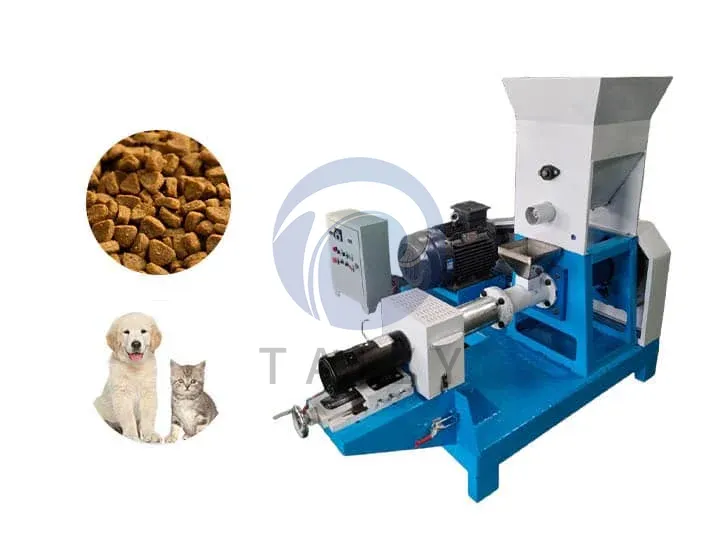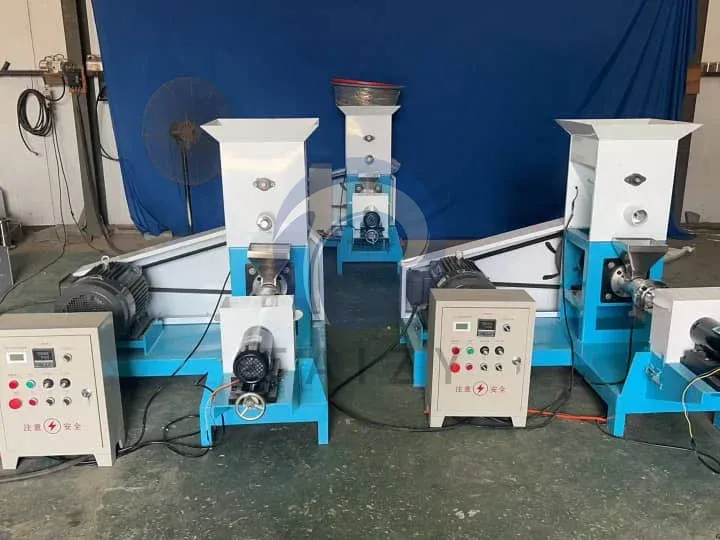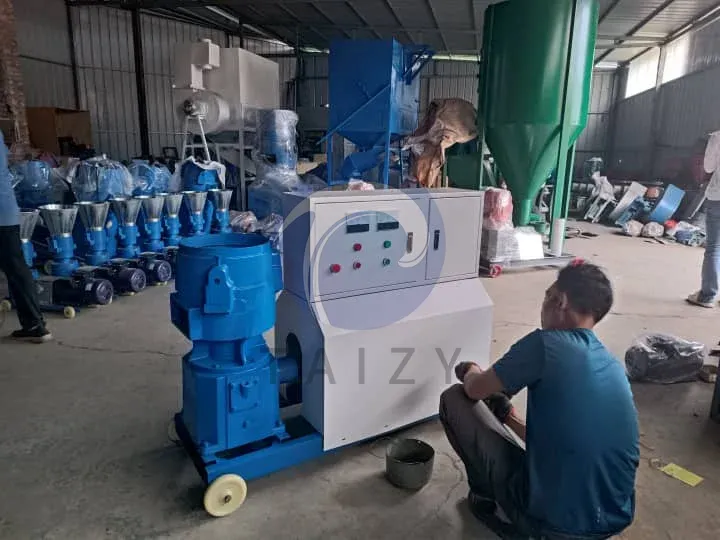
कैसे वियतनाम मत्स्य पालन सहकारी ने 150 छोटे किसान के लिए अनुकूलित फीड के साथ एक बहुमुखी फीड उत्पादन सुविधा बनाई, जिसमें लागत में 36% की कमी, FCR में 10.3% सुधार, और 152 सदस्य फ़ार्मों में वार्षिक लाभ $4.4 मिलियन USD है।
परियोजना अवलोकन
| स्थान | वियतनाम |
| ग्राहक | वियतनाम स्थानीय मत्स्य पालन सहकारी |
| स्थापना तिथि | अगस्त – अक्टूबर 2025 |
| उपकरण | 2 टीपीएच पूर्ण जलीय फीड उत्पादन लाइन |
| कारखाना क्षेत्र | 1,800 वर्ग मीटर |
| कुल निवेश | $125,000 USD |
यह व्यापक केस स्टडी वियतनाम के वियतनाम क्षेत्र में एक बहुमुखी जलीय फीड उत्पादन लाइन की स्थापना का दस्तावेज है। यह परियोजना दिखाती है कि कैसे सहकारी मॉडल छोटे किसान को उन्नत फीड तकनीक तक पहुंचने, लागत कम करने, और वैश्विक मत्स्य पालन बाजार में प्रतिस्पर्धा बढ़ाने में सक्षम बना सकते हैं।
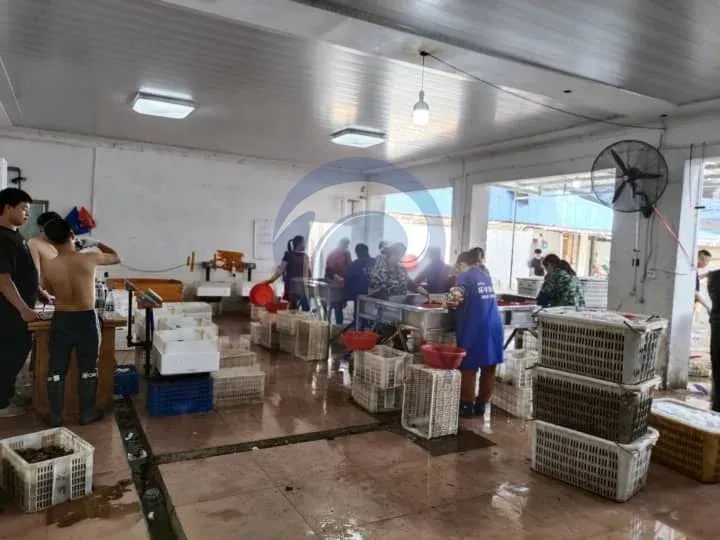
ग्राहक पृष्ठभूमि: वियतनाम मत्स्य पालन सहकारी
मत्स्य पालन सहकारी 2020 में स्थापित की गई थी, जो छोटे पैमाने के मत्स्य पालन उत्पादकों की सामूहिक सौदेबाजी शक्ति और संचालन दक्षता को बढ़ाने के लिए एक किसान-स्वामित्व वाली संगठन है। अब इसमें 152 सदस्य फ़ार्म हैं।
सहकारी का आकार
- सदस्य फ़ार्म: 152 छोटे किसान मत्स्य पालन किसान
- कुल तालाब क्षेत्र: 485 हेक्टेयर सदस्य फ़ार्मों में
- वार्षिक उत्पादन: 12,500 टन विभिन्न जलीय प्रजातियों
- मुख्य प्रजातियाँ: पंगासियस कैटफ़िश (55%), झींगा (25%), टिलापिया (15%), अन्य (5%)
- निर्यात बाजार: ईयू, यूएसए, जापान, चीन, आसियान देश
- वार्षिक आय: $28 मिलियन USD (संयुक्त सदस्य उत्पादन)
“व्यक्तिगत छोटे किसान बड़े कंपनियों के साथ फीड लागत पर प्रतिस्पर्धा नहीं कर सकते। संसाधनों को मिलाकर और फीड का सामूहिक उत्पादन करके, हमने समानता स्थापित की है। हमारे सदस्य अब फीड के लिए 35% कम भुगतान करते हैं और उच्च गुणवत्ता वाला फीड प्राप्त करते हैं। यह सहकारी मॉडल जीवनयापन को बदल रहा है।”
— गुयेन वान मिन्ह, सहकारी अध्यक्ष
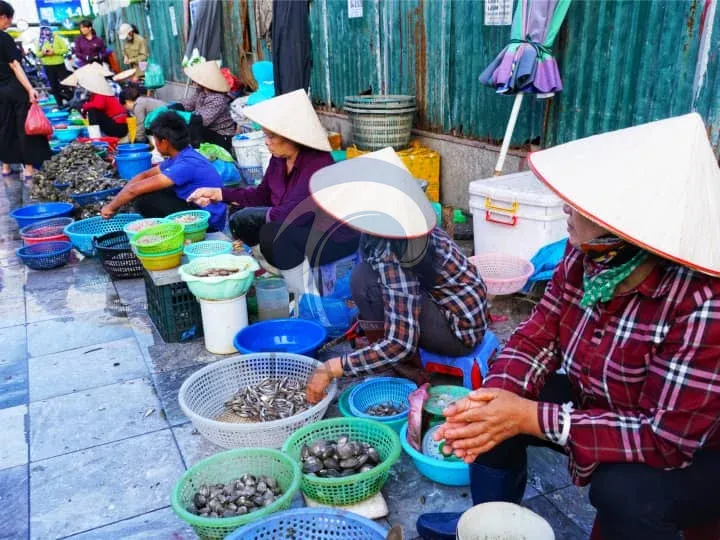
व्यवसाय चुनौती: विखंडित फीड खरीद
सहकारी फीड मिल स्थापित करने से पहले, संगठन के सदस्य कई चुनौतियों का सामना कर रहे थे, जिन्होंने लाभप्रदता और बाजार प्रतिस्पर्धा को कम कर दिया।
| समस्या | किसानों पर प्रभाव | सामूहिक वार्षिक हानि |
| उच्च फीड कीमतें | भुगतान किए गए खुदरा मूल्य, मात्रा पर छूट नहीं | $2.8 मिलियन अतिरिक्त लागत |
| असंगत गुणवत्ता | परिवर्तनीय FCR, अनिश्चित वृद्धि | $1.2 मिलियन कम उपज |
| सीमित फीड विकल्प | विशिष्ट प्रजातियों के लिए अनुकूलित नहीं कर सकते | अप्रтимम उत्पादन |
| क्रेडिट निर्भरता | व्यापारियों से क्रेडिट पर फीड खरीदने के लिए मजबूर | 15-20% ब्याज लागत |
| आपूर्ति में व्यवधान | पीक सीजन के दौरान फीड की कमी | विलंबित कटाई |
कुल सामूहिक हानि: लगभग $4.5 मिलियन USD वार्षिक 152 सदस्य फ़ार्मों में।
सहकारी फीड उत्पादन मॉडल
सहकारी ने एक साझा फीड उत्पादन सुविधा में निवेश करने का फैसला किया है जो सभी सदस्य फ़ार्मों को अनुकूलित, उच्च गुणवत्ता वाला फीड कम लागत पर प्रदान कर सके।
| आवश्यकता | समाधान | लाभ |
| कई प्रजातियों का फीड | ट्विन स्क्रू एक्सट्रूडर पेलेट मिल | तैरने और डूबने वाले फीड के लिए लचीलापन |
| परिवर्तनीय क्षमता आवश्यकताएँ | 2 टीपीएच आधार क्षमता, विस्तार योग्य | मौजूदा मांग के अनुरूप, विकास की जगह |
| गुणवत्ता स्थिरता | स्वचालित बैचिंग और मिश्रण | सटीक सूत्रीकरण, समान गुणवत्ता |
| लागत प्रभावशीलता | साझा स्वामित्व मॉडल | 152 फ़ार्मों में निवेश फैलाएं |
| तकनीकी विशेषज्ञता | समर्पित फीड मिल कर्मचारी की भर्ती करें | पेशेवर संचालन, स्थिर गुणवत्ता |
पूर्ण उत्पादन लाइन कॉन्फ़िगरेशन
यह जलीय फीड उत्पादन लाइन दोनों तैरने वाले और डूबने वाले फीड का उत्पादन करने के लिए डिज़ाइन की गई थी, जिसमें उत्पाद प्रकारों के बीच स्विच करने की लचीलापन है।
लाइन कॉन्फ़िगरेशन अवलोकन
- कच्चे माल की प्राप्ति और सफाई प्रणाली
- पीसने की प्रणाली (हथौड़ा मिल, 45 kW)
- तौलने और बैचिंग प्रणाली (6-आइटम स्केल)
- मिश्रण प्रणाली (ट्विन-शाफ्ट पैडल मिक्सर, 1000 किग्रा/बैच)
- कंडीशनिंग प्रणाली (भाप कंडीशनर)
- एक्सट्रूज़न प्रणाली (ट्विन स्क्रू एक्सट्रूडर, 75 kW)
- सूखाने की प्रणाली (3-स्तरीय सूखाने, 45 kW)
- स्वाद प्रणाली (रोटरी कोटर)
- ठंडक प्रणाली (काउंटर-फ्लो कूलर)
- स्क्रीनिंग और पैकेजिंग प्रणाली
- प्न्यूमैटिक कन्वेइंग सिस्टम
- इलेक्ट्रिकल नियंत्रण प्रणाली (पीएलसी टचस्क्रीन के साथ)
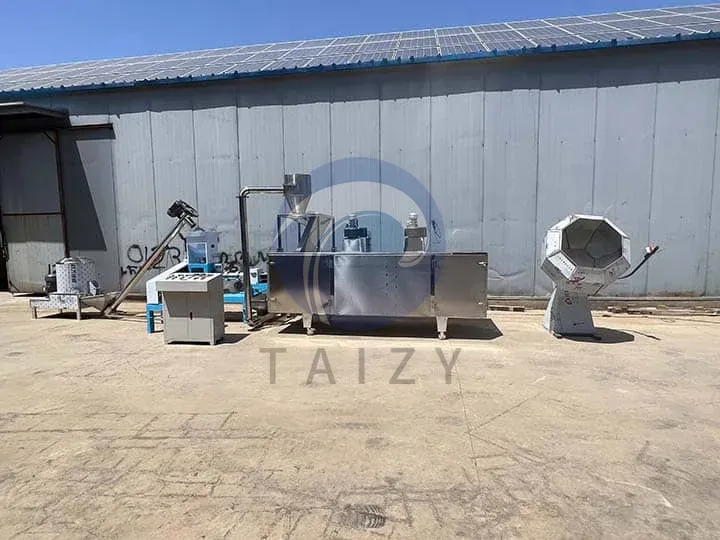
कारखाने का लेआउट और अवसंरचना
फीड मिल सुविधा को कुशल सामग्री प्रवाह, खाद्य सुरक्षा अनुपालन, और भविष्य के विस्तार के लिए डिज़ाइन किया गया था।
| क्षेत्र | आकार (वर्ग मीटर) | कार्य | विशेष विशेषताएँ |
| कच्चे माल का गोदाम | 420 | सामग्री का भंडारण | उठी हुई मंजिल, नमी नियंत्रण |
| पीसने और मिश्रण करने का क्षेत्र | 180 | आकार में कमी और मिश्रण | धूल संग्रह प्रणाली |
| एक्सट्रूज़न और सुखाने का क्षेत्र | 320 | प्रक्रिया मुख्य | वायु निकास और गर्मी निकासी |
| ठंडक और पैकेजिंग क्षेत्र | 160 | उत्पाद समाप्ति | स्वच्छता डिज़ाइन |
| पूर्ण माल गोदाम | 520 | फीड भंडारण | पैलेट रैकिंग, FIFO प्रणाली |
| गुणवत्ता नियंत्रण प्रयोगशाला | 80 | परीक्षण और विश्लेषण | मूल उपकरण |
| उपयोगिताएँ और कार्यालय | 120 | बॉयलर, कंप्रेसर, प्रशासन | अलग पहुंच |
सामग्री प्रवाह डिज़ाइन
सुविधा एक रैखिक प्रवाह पैटर्न का पालन करती है ताकि क्रॉस-संदूषण को कम किया जा सके और दक्षता को अनुकूलित किया जा सके:
- कच्चा माल: पूर्व द्वार से प्रवेश → गोदाम → पीसना/मिश्रण
- प्रसंस्करण: मिश्रण → कंडीशनिंग → एक्सट्रूज़न/पेल्लेटिंग → सुखाना
- पूर्णता: ठंडक → स्क्रीनिंग → पैकेजिंग → गुणवत्ता जांच
- वितरण: पूर्ण माल गोदाम → पश्चिम द्वार लोडिंग
प्रमुख सफलता के कारक
इस परियोजना की सफलता सहकारी कृषि विकास के लिए महत्वपूर्ण सिद्धांतों को दर्शाती है:
- सामूहिक कार्रवाई: संसाधनों का pooling अर्थव्यवस्था को सक्षम बनाता है
- पेशेवर प्रबंधन: कुशल कर्मचारियों की भर्ती करें, केवल सदस्य किसानों को नहीं
- गुणवत्ता पर ध्यान केंद्रित: स्थिर गुणवत्ता सदस्य का विश्वास और वफादारी बनाती है
- : पारदर्शी शासन: सभी सदस्यों को नियमित वित्तीय रिपोर्टिंग
- तकनीकी समर्थन: निरंतर प्रशिक्षण और फ़ार्म सहायता प्रदान करना
- सरकारी भागीदारी: नीति समर्थन और सब्सिडी का लाभ उठाना
- पुनर्निवेश: रखरखाव और विस्तार के लिए भंडार बनाना
निष्कर्ष
एक संपूर्ण जलीय फीड उत्पादन लाइन का स्थापना मत्स्य पालन सहकारी ने छोटे किसान के विकास के लिए सहकारी मॉडल की परिवर्तनकारी क्षमता को दर्शाया है। फीड लागत में 36% की कमी, FCR में 10.3% सुधार, और 152 सदस्य फ़ार्मों में वार्षिक लाभ $4.4 मिलियन USD, इस परियोजना ने सभी अपेक्षाओं को पार कर लिया है।
सहकारी की उच्च गुणवत्ता, प्रजाति-विशिष्ट फीड का उत्पादन 35% कम कीमत पर करने में सफलता, यह साबित करता है कि छोटे किसान मिलकर प्रतिस्पर्धा कर सकते हैं। 5.3 महीने का भुगतान अवधि सहकारी स्तर पर—और केवल 10 दिन प्रति सदस्य फ़ार्म—प्रतिकृति के लिए एक मजबूत मामला बनाता है।