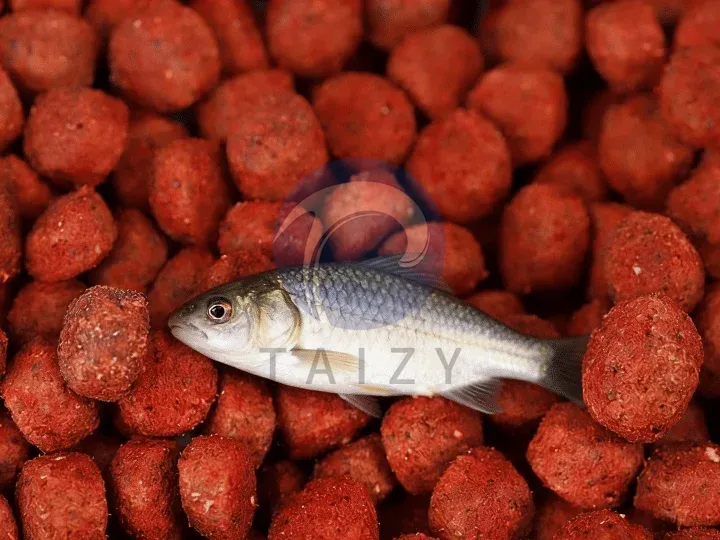
Elegir entre alimento flotante y que se hunde es una de las decisiones más críticas para el éxito acuícola. La elección incorrecta puede conducir a desperdicio de alimento, tasas de crecimiento pobres y menores beneficios.
Esta guía completa compara ambos tipos en múltiples dimensiones, proporciona recomendaciones específicas para especies, e incluye un proceso de conversión paso a paso si necesitas cambiar.
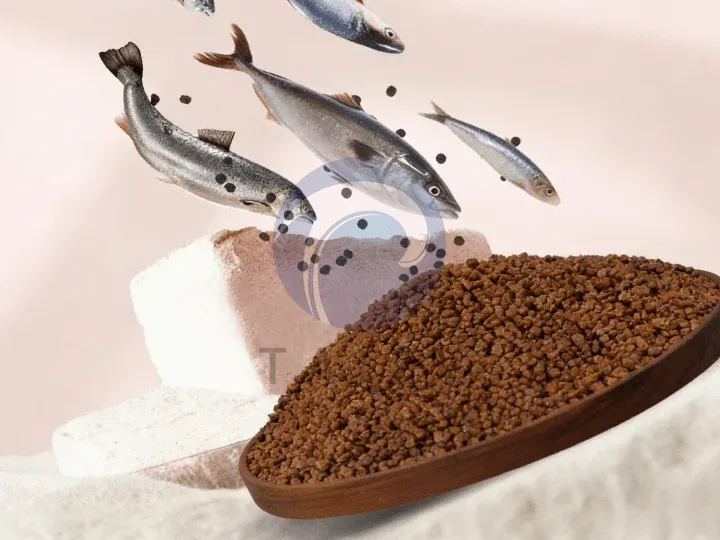
Selección de alimento para peces: ¿Cuál deberías elegir?
Antes de profundizar en comparaciones detalladas, usa esta referencia rápida para tomar tu decisión:
| Tu situación | Tipo recomendado | Razón clave |
|---|---|---|
| Cría de tilapia, bagre o carpa | Alimento flotante | Estas especies naturalmente se alimentan en la superficie |
| Cría de camarones, langostas o alimentadores del fondo | Alimento que se hunde | Se alimentan en el fondo del estanque |
| Desea monitorear el comportamiento de alimentación | Alimento flotante | Los pellets visibles permiten la observación |
| Corrientes de agua altas o estanques al aire libre | Alimento que se hunde | No se desplazará fácilmente |
| Presupuesto limitado, operación a pequeña escala | Alimento flotante | Menos desperdicio = mejor retorno de inversión |
| Operación comercial grande con automatización | Cualquiera | Depende de la especie y el sistema |
| Preocupación por la calidad del agua | Alimento flotante | Más fácil de retirar el alimento no consumido |
| Farming de múltiples especies a diferentes profundidades | Combinación | Usar ambos tipos estratégicamente |
“El mejor tipo de alimento no se trata de cuál es técnicamente superior—se trata de cuál coincide con tu especie, sistema y estilo de gestión.”
— Dr. Experto en acuicultura
Comprender las diferencias fundamentales entre alimento flotante y que se hunde
Los alimentos flotantes y que se hunden difieren en sus propiedades físicas, procesos de fabricación y aplicaciones óptimas. Analicemos qué los hace únicos.
¿Qué hace que el alimento flote o se hunda?
La flotabilidad del alimento para peces está determinada por su densidad en relación con el agua:
- Alimento flotante: Densidad de 280–350 g/L (menos que los 1,000 g/L del agua)
- Alimento que se hunde: Densidad de 1,200–1,500 g/L (mayor que el agua)
- Alimento de hundimiento lento: Densidad de 1,000–1,100 g/L (ligeramente más denso que el agua)
Esta diferencia de densidad se logra mediante el proceso de extrusión. El alimento flotante pasa por una extrusión a alta temperatura y alta presión que crea bolsillos de aire microscópicos dentro del pellet, haciéndolo flotante. El alimento que se hunde utiliza temperaturas y presiones más bajas, resultando en una estructura más densa y compacta.
| Parámetro del proceso | Alimento flotante | Alimento que se hunde | Impacto |
|---|---|---|---|
| Temperatura de extrusión | 120–150°C | 80–100°C | El aumento de temperatura crea más expansión |
| Contenido de humedad | 25–30% | 30–35% | Afecta la densidad del pellet |
| Presión | 30–40 bar | 15–25 bar | Mayor presión = mayor expansión |
| Gelatinización del almidón | 85–95% | 60–75% | Mejor digestibilidad en alimento flotante |
| Razón de expansión | 1.5–2.5× | 1.0–1.2× | El alimento flotante se expande más |
| Tiempo de secado | 20–30 minutos | 10–15 minutos | Secado más largo para alimento flotante |
| Consumo de energía | Mayor ( 15–20%) | Menor | El alimento flotante cuesta más producir |
Alimento flotante vs. alimento que se hunde: ¿Cuál es mejor?
Alimento flotante
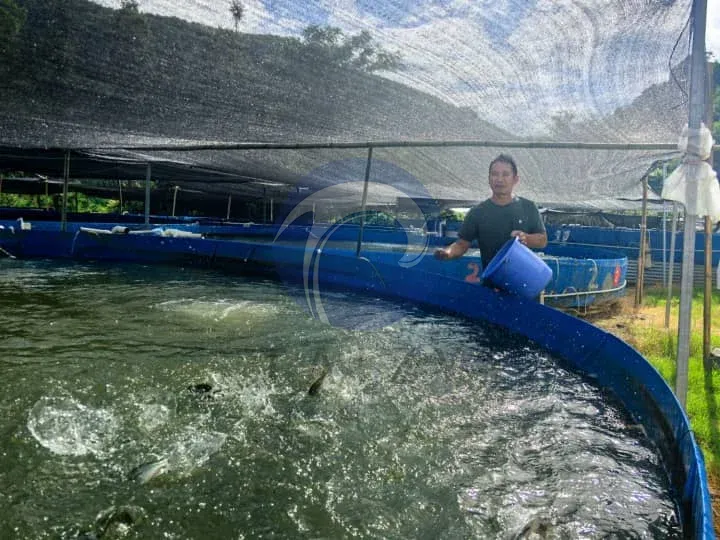
- Más adecuado para peces que se alimentan en la superficie del agua (Tilapia, Bagre, Carpa)
- El comportamiento de alimentación es fácil de observar
- Mayor digestibilidad y tasas de utilización del alimento
- Ayuda a mantener la calidad del agua
- Sin embargo, los costos de producción son más altos
Alimento que se hunde
- Adecuado para alimentadores del fondo (Camarones, Langostas)
- Costos de producción más bajos
- Mayor estabilidad en el agua; no se desplaza fácilmente
- Sin embargo, la actividad de alimentación es más difícil de observar y el riesgo de desperdicio de alimento es mayor
Estudios de casos reales
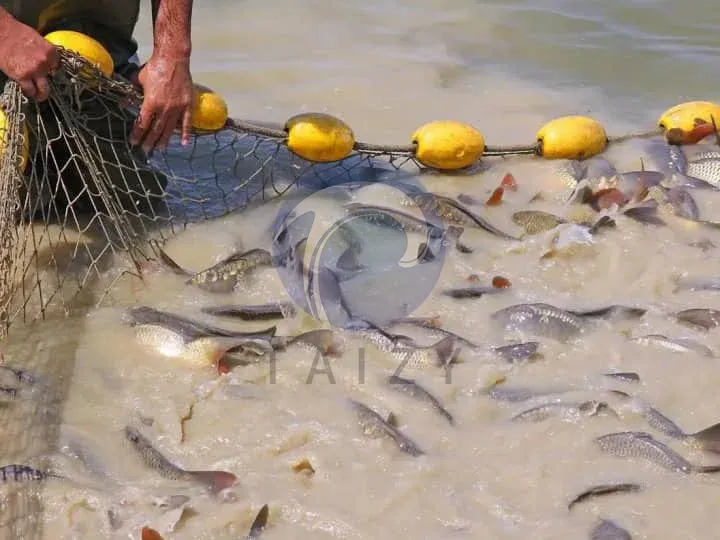
Estudio de caso 1: Granja de tilapia en Nigeria – Cambió a alimento que se hunde
| Métrico | Antes (que se hunde) | Después (que se hunde) | Cambio |
|---|---|---|---|
| Tamaño de la granja | 5 hectáreas | 5 hectáreas | — |
| Densidad de población | 3 peces/m² | 3 peces/m² | — |
| Relación de conversión de alimento | 1.8 | 1.4 | -22% (mejor) |
| Costo de alimentación por kg de pez | $0.65 | $0.52 | -20% de ahorro |
| Tiempo de cosecha | 7 meses | 6 meses | 1 mes más rápido |
| Problemas de calidad del agua | Picos de amoníaco frecuentes | Parámetros estables | Mejoras importantes |
| Mano de obra para alimentar | 4 trabajadores, 3 horas/día | 3 trabajadores, 2 horas/día | -25% de costo laboral |
| Incremento anual de beneficios | — | — | +35% |
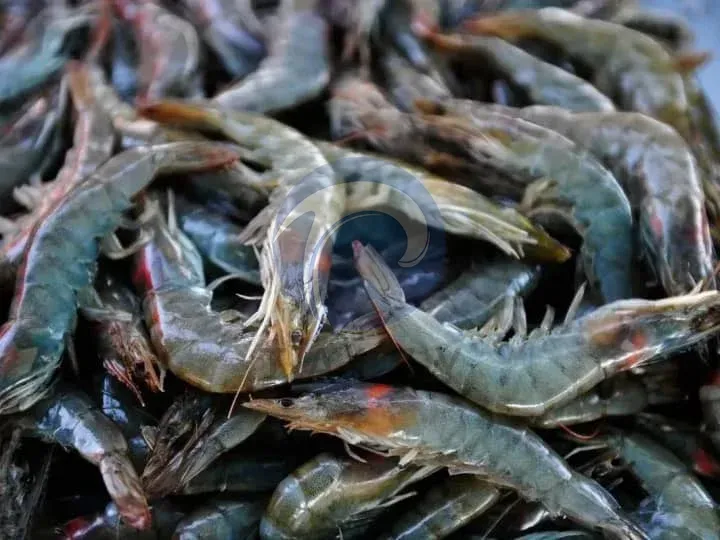
Estudio de caso 2: Granja de camarones en Ecuador – Usa alimento que se hunde
Situation: Marine shrimp naturally feed at the pond bottom. Attempted to use floating feed, but resulted in:
- Bajo consumo de alimento (los camarones no subían a la superficie)
- Crecimiento desigual
- FCR alto (2.2 vs. estándar de la industria 1.6)
Solution: Switched to high-quality sinking shrimp feed with:
- Atractantes especializados (extracto de calamar, betaina)
- Estabilidad en agua de más de 4 horas
- Bandejas de alimentación automatizadas con sensores
Results:
- FCR mejorado de 2.2 a 1.5
- La tasa de supervivencia aumentó del 72% al 85%
- La uniformidad del tamaño de la cosecha mejoró en un 40%
- El margen de beneficio aumentó del 18% al 28%
“Probamos el alimento flotante para ahorrar dinero, pero fue un desastre. El alimento que se hunde es innegociable para los camarones. La clave es usar un alimento de calidad con sistemas de monitoreo adecuados.”
— Propietario de una granja de camarones, Ecuador
Preguntas frecuentes sobre la elección del pellet
¿Puedo mezclar alimento flotante y que se hunde juntos?
Sí, puedes mezclarlos, pero generalmente no se recomienda. Las diferentes densidades causan separación durante el almacenamiento y manejo. Si necesitas ambos tipos, aliméntalos por separado en diferentes momentos o lugares.
¿Cuánto tiempo permanece el alimento flotante en la superficie?
El alimento flotante de calidad debe mantenerse a flote durante 4-6 horas en agua tranquila. Después de esto, gradualmente absorbe agua y se hunde. Esto en realidad es beneficioso—permite que los peces coman mientras evita la contaminación a largo plazo por pellets no consumidos.
¿Por qué mi alimento flotante se hunde inmediatamente?
Las causas posibles incluyen expansión insuficiente, absorción de humedad por el alimento durante el almacenamiento, o aplicación excesiva de aceite superficial. Además, el envejecimiento del alimento o un procesamiento inadecuado también pueden ser factores contribuyentes.
¿El alimento que se hunde es más barato que el flotante?
Por tonelada, el alimento que se hunde suele ser un 10-15% más barato. Sin embargo, al considerar el mayor FCR (índice de conversión de alimento) y el desperdicio potencial, el alimento flotante a menudo cuesta menos por kilogramo de pez producido. Siempre calcula el costo por unidad de producción, no por tonelada de alimento.
¿Pueden los peces ser entrenados para aceptar un tipo de alimento diferente?
Sí, la mayoría de los peces pueden ser entrenados para aceptar cualquiera de los tipos de alimento, aunque requiere tiempo y paciencia. Los peces que se alimentan en la superficie se adaptan más fácilmente al alimento que se hunde que los que se alimentan en el fondo al alimento flotante. Las guías de conversión en este artículo proporcionan instrucciones paso a paso.
Haz la elección correcta para tu operación
No existe una opción universal de “mejor” entre alimento flotante y que se hunde. La elección correcta depende de:
- Tu especie – Combina el tipo de alimento con el comportamiento natural de alimentación
- Tu sistema – Considera la profundidad del agua, la corriente y la infraestructura
- Tu estilo de gestión – Alimentación manual vs. automatizada
- Tu economía – Costo total por kg de pez, no solo precio del alimento
- Tu entorno – Prioridades y regulaciones de calidad del agua
For most tilapia, catfish, and ornamental fish farmers—especially beginners—floating feed offers superior manageability and often better economics despite the higher upfront cost. For shrimp, prawns, and other bottom feeders, sinking feed is essential.
Ready to optimize your feed strategy? Contact our team for personalised recommendations based on your specific operation, or explore our guide on making your own floating fish feed to reduce costs.