
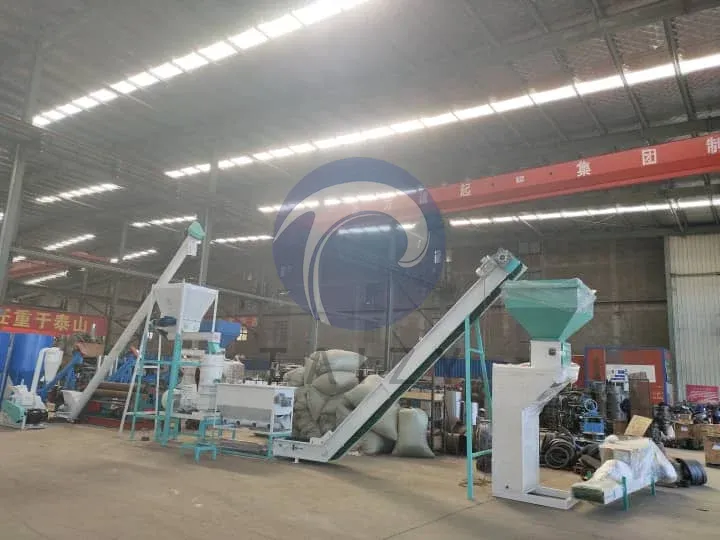
شركة مبتكرة لمعالجة المنتجات الزراعية في كوت ديفوار حولت بنجاح نفايات قشور الكاكاو إلى حبيبات وقود حيوية ذات قيمة باستخدام آلة حبيبات الكتلة الحيوية المتقدمة.
توثيق شامل يوضح كيف أن تحويل النفايات الزراعية خلق عملًا دائريًا مربحًا مع معالجة التحديات البيئية في أكبر دولة منتجة للكاكاو في العالم.
صناعة الكاكاو في كوت ديفوار وتحدي النفايات
تعد كوت ديفوار أكبر منتج للكاكاو في العالم، حيث تمثل 40% من الإنتاج العالمي. في عام 2025، أنتجت 2.2 مليون طن من حبوب الكاكاو، مما أدى إلى توليد حوالي 4.4 مليون طن من نفايات قشور الكاكاو (تمثل قرون الكاكاو حوالي 80% من وزن القرون الطازجة).
رجل أعمال زراعي صناعي يبلغ من العمر 52 عامًا من أبيدجان يدير منشأة لمعالجة الكاكاو منذ 15 عامًا. مع تزايد اللوائح البيئية وتكاليف التخلص من النفايات، بحث عن حل مستدام لتحويل نفايات قشور الكاكاو إلى منتجات ذات قيمة.


تحديات نفايات قشور الكاكاو
- حجم النفايات الضخم: يولد في كوت ديفوار 4.4 مليون طن من نفايات قشور الكاكاو سنويًا
- تكاليف التخلص: 35,000-50,000 فرنك غرب أفريقي للطن مقابل إزالة النفايات ورسوم المكب
- الأثر البيئي: تحلل القشور يطلق الميثان (أكثر قوة بـ 25 مرة من ثاني أكسيد الكربون)
- جذب الآفات: تجذب أكوام النفايات القوارض والحشرات، وتنتشر الأمراض
- تلوث المياه: تلوث مياه الأمطار من أكوام النفايات يلوث مصادر المياه
- فرصة ضائعة: قشور الكاكاو ذات قيمة حرارية عالية (4200-4500 سعر حراري/كجم)
"كنا ندفع مبالغ طائلة للتخلص من قشور الكاكاو،" شرح عميلنا. "كانت النفايات تتراكم، وتخلق مشاكل بيئية، وتكلفنا أموالاً. كنت أعلم أنه لا بد من وجود طريقة أفضل للتعامل مع هذه الكتلة الحيوية. تحويل النفايات إلى طاقة بدا كالحل المثالي."

الحل: إنتاج حبيبات الكتلة الحيوية من قشور الكاكاو
بعد بحث موسع حول استخدام الكتلة الحيوية والتشاور مع خبراء الطاقة المتجددة في Taizy Machinery، استثمر في خط إنتاج كامل لحبيبات الكتلة الحيوية مصمم خصيصًا لمعالجة قشور الكاكاو.
لماذا حبيبات قشور الكاكاو؟
| العقار | حبيبات قشور الكاكاو | حبيبات الخشب | الفحم |
|---|---|---|---|
| القيمة الحرارية | 4,200-4,500 سعر حراري/كجم | 4,000-4,300 سعر حراري/كجم | 5500-6500 سعر حراري/كجم |
| محتوى الرطوبة | 8-10% | 8-10% | 10-15% |
| محتوى الرماد | 3-5% | 1-3% | 10-30% |
| محتوى الكبريت | 0.1-0.2% | 0.05-0.1% | 0.5-2.0% |
| انبعاثات ثاني أكسيد الكربون | حيادي الكربون | حيادي الكربون | عالي |
| التكلفة (لكل طن) | $120-150 | $180-220 | $100-130 |
| المعدات | نموذج | سعة | قوة |
|---|---|---|---|
| مطحنة المطرقة | TZ-HM650 | 800-1000 كجم/س | 22 كيلوواط |
| المجفف الدوار | TZ-RD600 | 1 طن في الساعة | 15 كيلوواط |
| مطحنة حبيبات الكتلة الحيوية | TZ-PL550 | 1000-1200 كجم/س | 90 كيلو واط |
| مبرد الحبيبات | TZ-CL500 | 1 طن في الساعة | 5.5 كيلوواط |
| منخل اهتزازي | TZ-SF80 | 1 طن في الساعة | 1.5 كيلوواط |
| نقل حزامي | TZ-SC500 | 1 طن في الساعة | 3 كيلوواط |
| لوحة التحكم الكهربائية | TZ-CP1000 | - | - |
| الشحن (CIF أبيدجان) | مجموعة كاملة | - | - |
| إجمالي المعدات | - | - | 139 كيلوواط |
| الشحن (CIF أبيدجان) | - | - | - |
| التركيب والتدريب | - | - | - |
| إجمالي الاستثمار | - | - | - |

عملية إنتاج حبيبات قشور الكاكاو
خط إنتاج حبيبات الكتلة الحيوية يحول قشور الكاكاو الخام إلى حبيبات وقود كثيفة وموحدة من خلال سلسلة من خطوات المعالجة.
خطوات عملية الإنتاج
- جمع المواد الخام: قشور الكاكاو المجمعة من منشآت المعالجة (رطوبة 45-55%)
- السحق: مطحنة المطرقة تقلل من حجم القشور إلى 3-5 ملم
- التجفيف: المجفف الدوار يقلل الرطوبة من 45% إلى 10-12%
- التشكيل: آلة الحبيبات تضغط المادة من خلال قالب 6مم أو 8مم تحت ضغط ودرجة حرارة عالية
- التبريد: المبرد يقلل من درجة حرارة الحبيبات من 80-90°C إلى درجة حرارة البيئة 5°C
- الغربلة: المصفاة الاهتزازية تزيل الغرامات والجسيمات الزائدة
- التعبئة والتغليف: الحبيبات النهائية تعبأ في أكياس 15 كجم أو 25 كجم
| المعلمة | القيمة |
|---|---|
| رطوبة المادة الخام (المدخلات) | 45-55% |
| رطوبة المادة المجففة | 10-12% |
| قطر الحبيبة | 6مم، 8مم (اختياري 10مم) |
| طول الحبيبة | 10-30مم (قابل للتعديل) |
| كثافة الحبيبات | 1.1-1.3 غرام/سم³ |
| متانة الحبيبات | ≥95% |
| درجة حرارة الإنتاج | 80-90°C (تفعيل اللجنين الطبيعي) |
| السعة بالساعة | 1,000-1,200 كجم/س |
| الإنتاج اليومي (8 ساعات) | 8-9.6 أطنان |
| الإنتاج الشهري (26 يومًا) | 208-250 طن |

تطبيقات السوق والمبيعات
الكتلة الحيوية من قشور الكاكاو لها تطبيقات سوقية متعددة في كوت ديفوار والمنطقة الأوسع في غرب أفريقيا.
القطاعات السوقية الأساسية
- المراجل الصناعية: مصانع النسيج، مصانع معالجة الأغذية، مطاحن زيت النخيل (60% من المبيعات)
- التدفئة التجارية: الفنادق، المستشفيات، المدارس التي تستخدم أنظمة التدفئة المركزية (20%)
- أفران الطوب: مُصنِعو السيراميك والطوب يستبدلون الحطب (10%)
- السوق التصديرية: محطات الطاقة الكتلة الحيوية الأوروبية (10%)
الأثر البيئي والاجتماعي
إلى جانب العوائد المالية، يوفر مشروع حبيبات الكتلة الحيوية فوائد بيئية واجتماعية كبيرة.
الفوائد البيئية (سنويًا)
- النفايات التي تم تحويلها من مكب النفايات: 3,300 طن من قشور الكاكاو
- تجنب انبعاثات الميثان: 825 طن من مكافئ ثاني أكسيد الكربون
- توفير الحطب: 2,100 طن (يقلل من إزالة الغابات)
- خفض ثاني أكسيد الكربون مقابل الفحم: 2,640 طن
- طاقة محايدة للكربون: الكتلة الحيوية تمتص ثاني أكسيد الكربون أثناء النمو
- منع تلوث المياه: لا يوجد تصريف من أكوام النفايات
الفوائد الاجتماعية
- خلق فرص عمل: 8 وظائف مباشرة 15 وظائف غير مباشرة
- تطوير المهارات: تدريب العمال على تكنولوجيا الطاقة المتجددة
- الأمن الطاقي المحلي: تقليل الاعتماد على الوقود الأحفوري المستورد
- صحة المجتمع: انخفاض تلوث الهواء مقارنة بالفحم/الحطب
- التنمية الاقتصادية: مصدر دخل جديد لصناعة الكاكاو
شهادة العميل
"حول مشروع حبيبات الكتلة الحيوية هذا مشكلتنا مع النفايات إلى عمل مربح. لم نعد ندفع مقابل التخلص من النفايات — بل نحقق إيرادات من ما كان يُعتبر قمامة. الحبيبات عالية الجودة، العملاء يحبونها، ونحن نُحدث تأثيرًا بيئيًا إيجابيًا. وفرت فريق Taizy معدات ودعم على مستوى عالمي. هذا مثال مثالي على الاقتصاد الدائري. نحن الآن نخطط لتوسيع القدرة ومعالجة نفايات من معالجي الكاكاو الآخرين."
— المدير التنفيذي، شركة الطاقة الحيوية، سان-بيدرو، كوت ديفوار
الختام: قيادة ثورة الكتلة الحيوية في غرب أفريقيا
This energy company’s success demonstrates that agricultural waste-to-energy conversion is a profitable and sustainable business model in West Africa. The biomass pellet machine system delivered a strong ROI in under 7 months while addressing environmental challenges and generating clean, renewable energy.
نظرًا للموارد الزراعية الهائلة من الكتلة الحيوية في أفريقيا (تقدر بـ 700 مليون طن سنويًا) وارتفاع الطلب على الطاقة، فإن إنتاج حبيبات الكتلة الحيوية يمثل فرصة كبيرة. سواء كنت تعالج قشور الكاكاو، قشور الأرز، نشارة الخشب، أو مخلفات المحاصيل، تمتلك Taizy Machinery الخبرة والمعدات لجعل مشروع طاقتك الحيوية ناجحًا.

هل أنت مستعد لبدء عملك في حبيبات الكتلة الحيوية؟
Contact Taizy Machinery today for a free consultation and customized production line proposal. We’ll help you design the perfect solution for your raw materials and market.