如何开设小型鱼饲料厂:商业计划与设备指南

Through this practical business guide, discover how to establish a small-scale fish feed processing plant. From market research and demand analysis to equipment selection and real-world success stories, this article provides you with the essential elements needed to build a profitable aquaculture feed business.
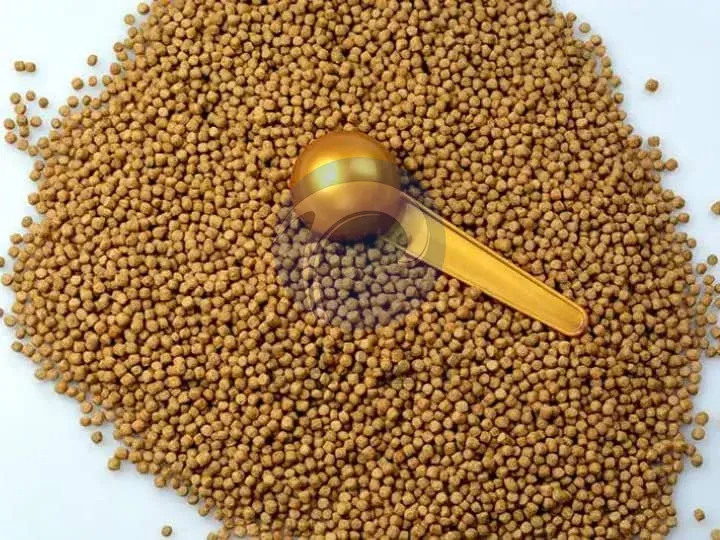
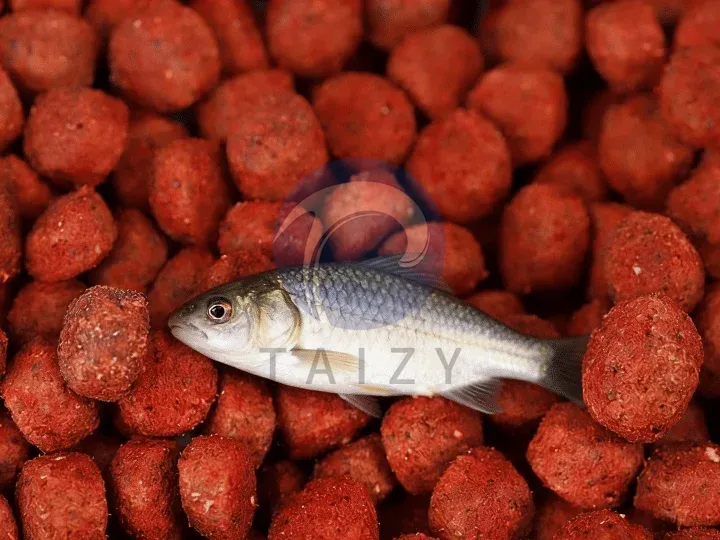
高品质鱼食颗粒
4.6/5 - (15 票)

Starting a small-scale fish feed mill is one of the most profitable opportunities in aquaculture today. With global fish feed demand growing at 7.5% annually and local production gaps in many regions, entrepreneurs can build sustainable businesses serving local fish farmers.

This comprehensive guide provides a complete business plan template, equipment selection advice, and proven strategies for market entry success.

高品质鱼食颗粒
高品质鱼食颗粒

Executive Summary: Why Start a Fish Feed Mill in 2026?

The aquaculture industry is experiencing unprecedented growth, driven by increasing global protein demand and declining wild fish stocks. Here’s why 2026 is the perfect time to enter the fish feed manufacturing business:

Market FactorCurrent StatusOpportunity
Global Aquaculture Market$289 billion (2025)Expected to reach $412B by 2030
Fish Feed Market Size$78 billion (2025)Growing at 7.5% CAGR
Regional Production Gaps60% of Africa imports feedStrong local production advantage
Profit Margins20–40% for quality feedHigher than most manufacturing sectors
Entry BarrierModerate (technical knowledge)Learnable with proper guidance
CompetitionDominated by large players60% of Africa’s imports feed
market opportunity analysis for fish feed manufacturing

“The best time to start a fish feed business was 10 years ago. The second best time is now. With the right strategy and execution, small-scale mills can capture profitable niche markets that large corporations ignore.”

— Industry Success Story

Part 1: Market Research and Feasibility Study

Before investing a single dollar, conduct thorough market research to validate your business opportunity.

Step 1: Identify Your Target Market

Define exactly who you’ll serve:

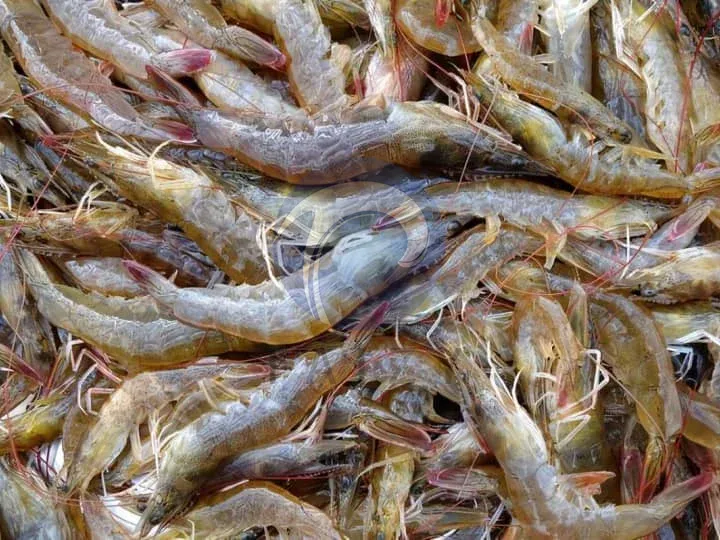
  • Species Focus: Tilapia, catfish, shrimp, or speciality fish?
  • Customer Type: Smallholder farmers, commercial operations, or cooperatives?
  • Geographic Area: Local (50km radius), regional, or national?
  • Product Segment: Premium quality, economy price, or specialised feeds?
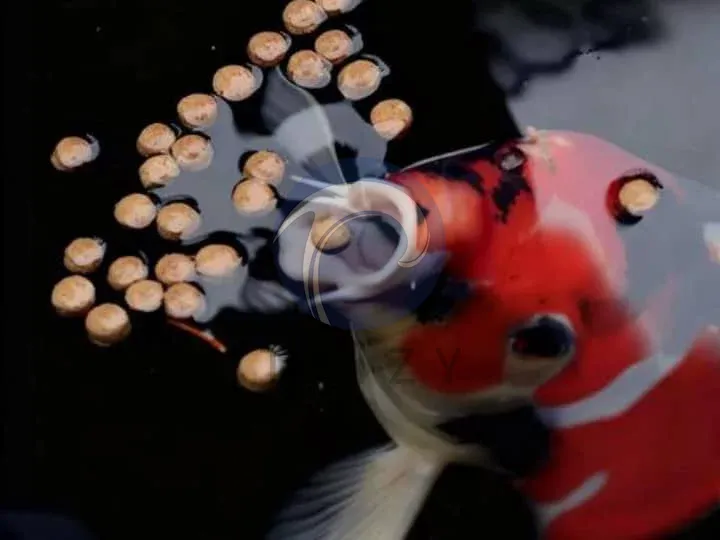
fish eat pellets
fish eat pellets

Step 2: Analyse Local Demand

Research MethodWhat to Investigate
Farm VisitsCurrent feed usage, pain points, price sensitivity
Competitor AnalysisExisting brands, pricing, quality, distribution
Government DataAquaculture statistics, import/export figures
Supplier InterviewsRaw material availability, pricing trends
Customer SurveysFeed preferences, willingness to switch
总计Comprehensive market picture
market research budget and timeline

Step 3: Calculate Market Size

Use this formula to estimate your addressable market:

Annual Feed Demand (tons) = Number of Fish Farms × Average Production per Farm (tons) × FCR (1.5)

Example Calculation:

Calculation Example:

  • Number of fish farms within the target region: 500
  • Average annual output per farm: 10 tons of fish
  • Feed Conversion Ratio (FCR): 1.5
  • Annual feed requirement: 500 × 10 × 1.5 = 7,500 tons
  • Your target market share (Year 1): 5% = 375 tons

Part 2: Equipment Selection Guide

Choosing the right equipment is critical for success. Here’s what to consider:

Essential Equipment for Small-Scale Production

设备功能Capacity RangePrice RangeKey Selection Criteria
锤式破碎机研磨原料1–5 TPH$3,000–$15,000Motor power, screen size options, dust control
混合机配料混合500 kg–2 ton/batch$4,000–$15,000Mixing uniformity, batch time, discharge mechanism
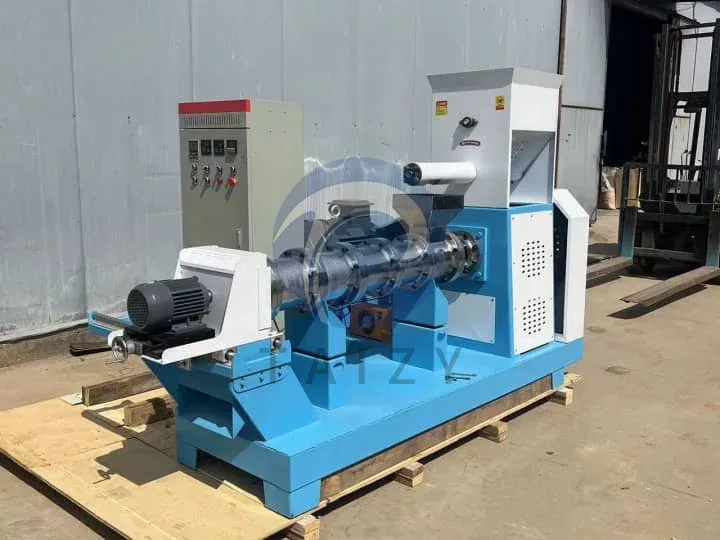
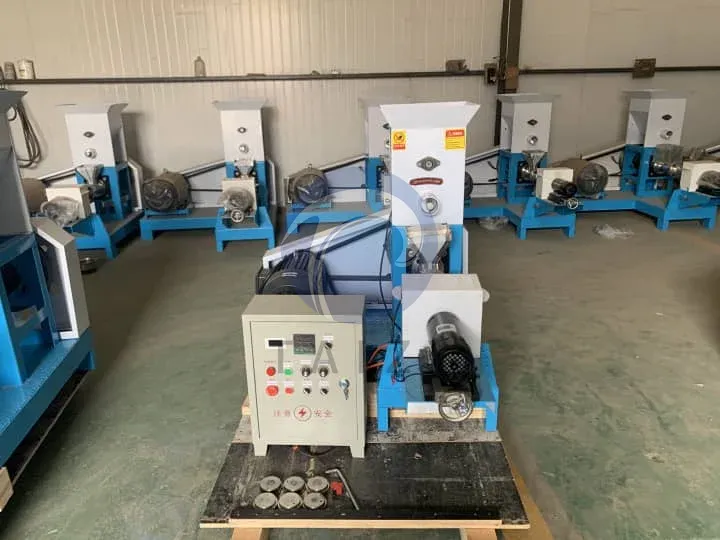
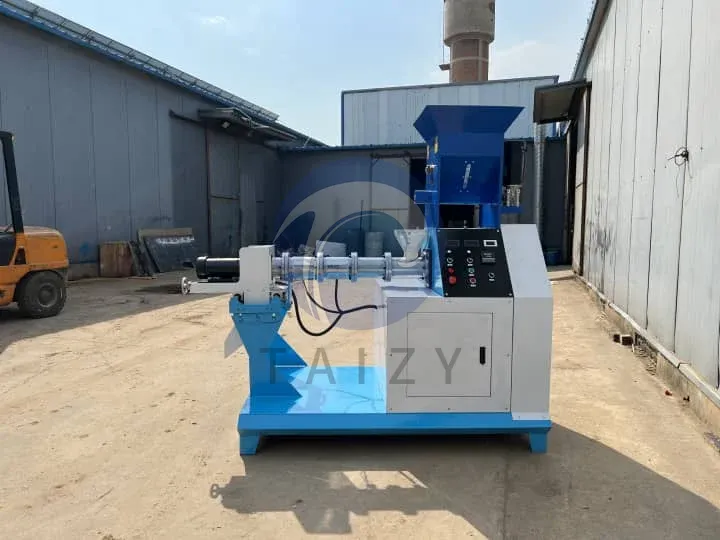
Feed ExtruderPelletizing & cooking150–700 kg/h$8,000–$45,000Screw design, temperature control, die options
干燥机减少水分500 kg–2 TPH$3,500–$25,000Heat source, temperature control, energy efficiency
冷却器Cooling hot pellets300 kg–1.5 TPH$2,500–$10,000Airflow design, capacity match, dust collection
筛分机按尺寸分级500 kg–2 TPH$1,500–$7,000Screen mesh options, vibration frequency
包装机称重与密封10–50 kg/bag$2,000–$15,000Accuracy, speed, bag type compatibility
essential equipment specifications and selection guide
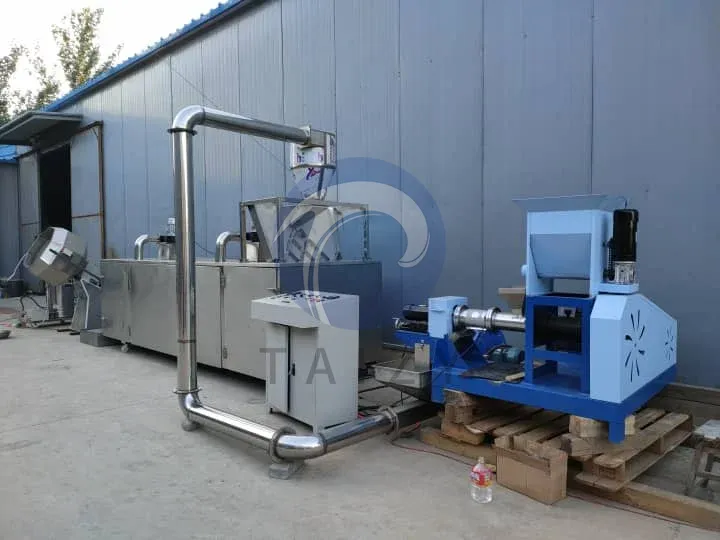
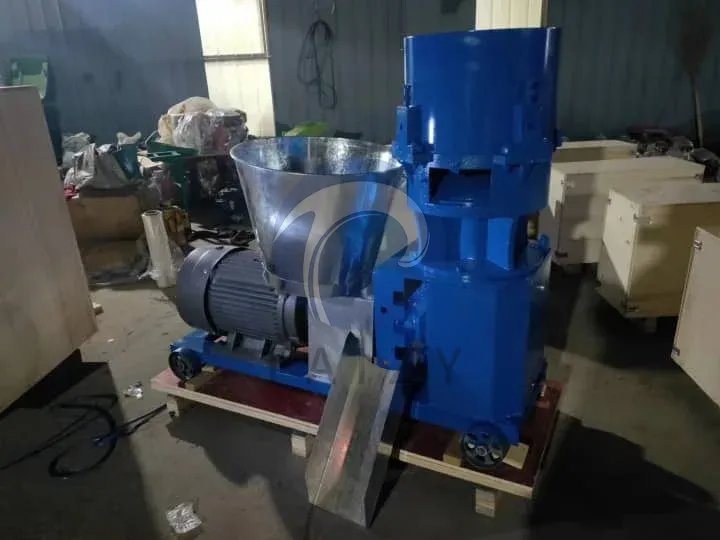
fish food production line

Where to Buy Equipment

  • Chinese Manufacturers: Best value for money, 40-60% cheaper than European brands
  • European Brands: Higher quality, better after-sales, but 2-3x more expensive
  • Local Dealers: Faster delivery, local support, but higher prices
  • Used Equipment: Lower cost but higher risk, only for experienced buyers

Pro Tips for Equipment Purchase

  • Request customer references and visit existing installations
  • Negotiate payment terms: 30% deposit, 60% before shipment, 10% after installation
  • Include spare parts package (dies, hammers, bearings) in initial order
  • Ensure supplier provides installation support and operator training
  • Verify warranty terms (minimum 1 year for major components)

Success Stories: AquaFeed Nigeria – From Startup to Market Leader

Within Nigeria’s rapidly expanding aquaculture sector, a local enterprise has proven—through tangible results—that with the right strategy, even a small-scale fish feed startup can rapidly grow to attain a dominant position in the market.

One of our Nigerian clients began as a modest small business; yet, in the span of just five years, it transformed into a leading supplier of high-quality fish feed, serving fish farmers across multiple regions.

Conclusion: Start You Small-Scale Fish Feed Mill

Starting a small-scale fish feed mill is a significant undertaking, but with proper planning, adequate capital, and disciplined execution, it can be highly profitable. The key is to:

  • Start with thorough market research—don’t skip this step
  • Create a detailed business plan and follow it
  • Choose equipment that matches your market size and growth plans
  • Focus on quality consistency from the beginning
  • Build strong relationships with customers and dealers
  • Maintain adequate working capital reserves
  • Be patient—building a successful business takes time

Ready to start your fish feed manufacturing journey? Contact our team for customised equipment recommendations and a detailed ROI analysis based on your specific market conditions. We’ve helped hundreds of entrepreneurs successfully launch fish feed mills across Africa, Asia, and Latin America.

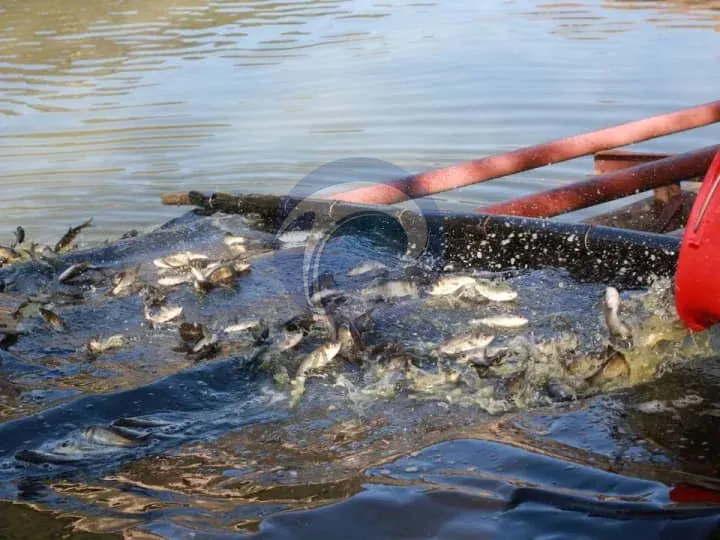
small-scale fish feed mill

To learn more about Taizy’s fish feed pellet production products, click the link: