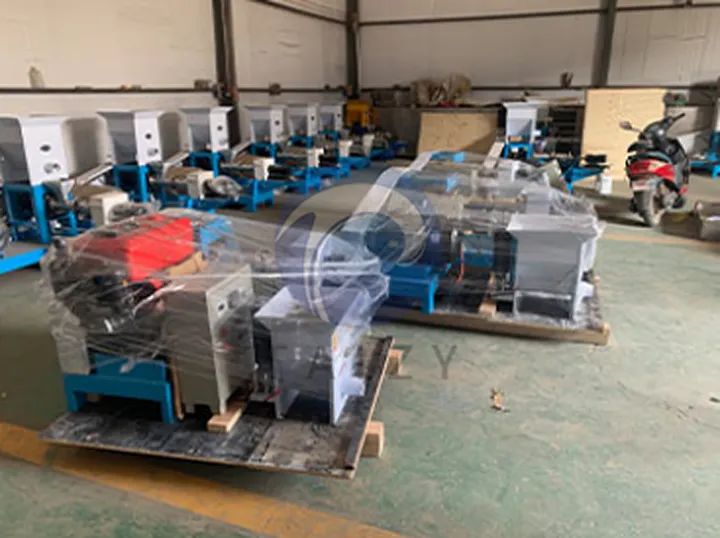
Khởi đầu một nhà máy thức ăn cho cá quy mô nhỏ là một trong những cơ hội sinh lợi nhất trong nuôi trồng thuỷ sản ngày nay. Với nhu cầu thức ăn cho cá toàn cầu tăng trưởng 7,5% mỗi năm và khoảng trống sản xuất địa phương ở nhiều khu vực, các doanh nhân có thể xây dựng các doanh nghiệp bền vững phục vụ nông dân nuôi cá địa phương.
Hướng dẫn toàn diện này cung cấp một mẫu kế hoạch kinh doanh đầy đủ, lời khuyên chọn lựa thiết bị và các chiến lược thành công trong tiếp cận thị trường.
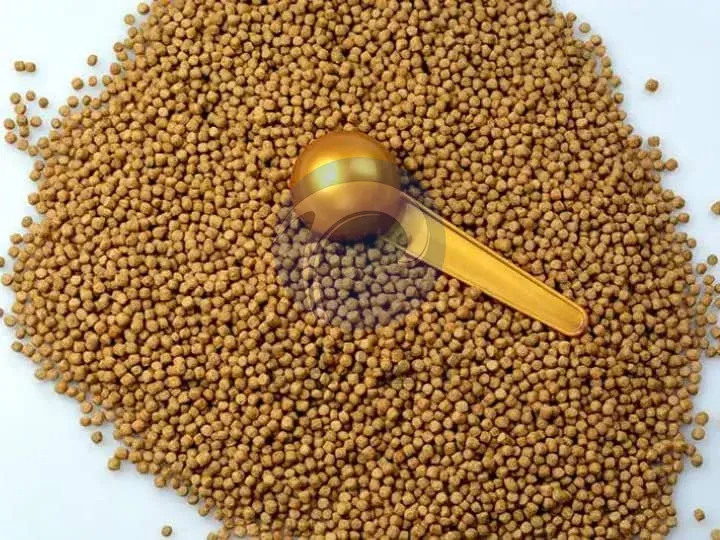
Tóm tắt điều hành: Tại sao bắt đầu một nhà máy thức ăn cho cá năm 2026?
Ngành công nghiệp nuôi trồng thủy sản đang chứng kiến sự tăng trưởng chưa từng có, được thúc đẩy bởi nhu cầu protein toàn cầu tăng và nguồn cá hoang dại đang suy giảm. Đây là lý do tại sao năm 2026 là thời điểm hoàn hảo để tham gia vào kinh doanh sản xuất thức ăn cho cá:
| Yếu tố thị trường | Tình trạng hiện tại | Cơ hội |
|---|---|---|
| Thị trường Nuôi trồng thủy sản toàn cầu | $289 tỷ (2025) | Dự kiến đạt $412B vào 2030 |
| Thị trường Thức ăn cho cá | $78 tỷ (2025) | Tăng trưởng 7,5% CAGR |
| Khoảng trống sản xuất khu vực | 60% của nhập khẩu châu Phi cung cấp thức ăn cho cá | Ưu thế sản xuất locally mạnh mẽ |
| Lợi nhuận biên | 20–40% cho thức ăn chất lượng | Lớn hơn so với hầu hết các ngành sản xuất |
| Rào cản gia nhập | Vừa phải (kiến thức kỹ thuật) | Có thể học được với hướng dẫn thích hợp |
| Cạnh tranh | Bị chi phối bởi các đối thủ lớn | 60% nhập khẩu thức ăn từ châu Phi |
“Thời điểm tốt nhất để bắt đầu kinh doanh thức ăn cho cá là 10 năm trước. Thời điểm tốt thứ hai là bây giờ. Với chiến lược và thực thi đúng đắn, các nhà máy quy mô nhỏ có thể chiếm lĩnh các thị trường ngách có lợi mà các tập đoàn lớn bỏ qua.”
— Câu chuyện thành công trong ngành
Phần 1: Nghiên cứu thị trường và Khảo sát khả thi
Trước khi đầu tư một đồng nào, hãy tiến hành nghiên cứu thị trường kỹ lưỡng để xác thực cơ hội kinh doanh của bạn.
Bước 1: Xác định Thị trường mục tiêu của bạn
Xác định đúng ai bạn sẽ phục vụ:
- Tập trung loài: Tilapia, cá rô phi, tôm, hay cá đặc sản?
- Loại khách hàng: Nông dân hộ gia đình, vận hành thương mại hay hợp tác xã?
- Khu vực Địa lý: Địa phương (khu vực bán kính 50km), khu vực hay quốc gia?
- Phân khúc Sản phẩm: Chất lượng cao cấp, giá phải chăng, hay thức ăn chuyên biệt?

Bước 2: Phân tích Nhu cầu địa phương
| Phương pháp nghiên cứu | Những gì cần điều tra |
|---|---|
| Chuyến tham quan trang trại | Việc sử dụng thức ăn hiện tại, khó khăn, nhạy cảm với giá |
| Phân tích đối thủ cạnh tranh | Các thương hiệu có sẵn, giá cả, chất lượng, phân phối |
| Dữ liệu của chính phủ | Thống kê nuôi trồng thủy sản, số liệu nhập/xuất khẩu |
| Phỏng vấn nhà cung cấp | Nguồn nguyên liệu, xu hướng giá |
| Khảo sát khách hàng | Sở thích thức ăn và sẵn lòng chuyển đổi |
| Tổng cộng | Toàn cảnh thị trường toàn diện |
Bước 3: Tính kích thước thị trường
Sử dụng công thức này để ước tính thị trường có thể tiếp cận của bạn:
Annual Feed Demand (tons) = Number of Fish Farms × Average Production per Farm (tons) × FCR (1.5)
Example Calculation:
Ví dụ tính toán:
- Số lượng trang trại cá trong khu vực mục tiêu: 500
- Sản lượng trung bình mỗi trang trại mỗi năm: 10 tấn cá
- Tỉ lệ chuyển đổi thức ăn (FCR): 1.5
- Nhu cầu thức ăn hàng năm: 500 × 10 × 1,5 = 7.500 tấn
- Thị phần mục tiêu của bạn (Năm 1): 5% = 375 tấn
Phần 2: Hướng dẫn Lựa chọn Thiết bị
Chọn thiết bị phù hợp là điều then chốt cho sự thành công. Đây là những điều cần cân nhắc:
Thiết bị cần thiết cho Sản xuất quy mô nhỏ
| Thiết bị | Chức năng | Phạm vi Công suất | Khoảng giá | Tiêu chí Lựa chọn Chính |
|---|---|---|---|---|
| Máy xay, máy nghiền | Nghiền nguyên liệu thô | 1–5 TPH | $3,000–$15,000 | Công suất động cơ, tùy chọn màn hình, kiểm soát bụi |
| Máy trộn | Trộn nguyên liệu | 500 kg–2 tấn/lô | $4,000–$15,000 | Đồng nhất trộn, thời gian lô, cơ chế xả |
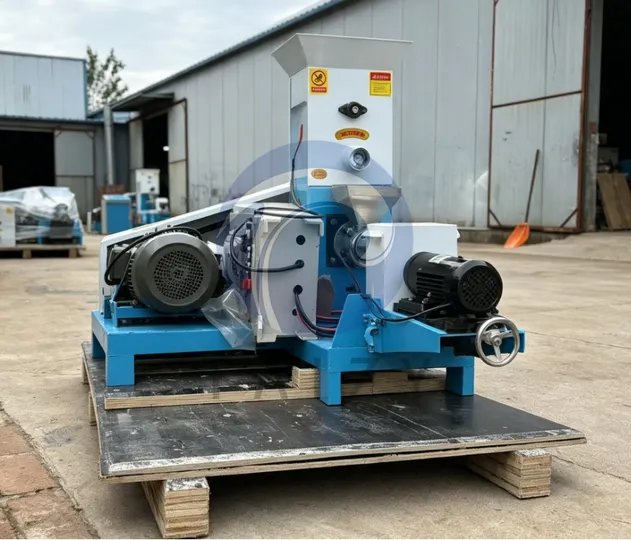
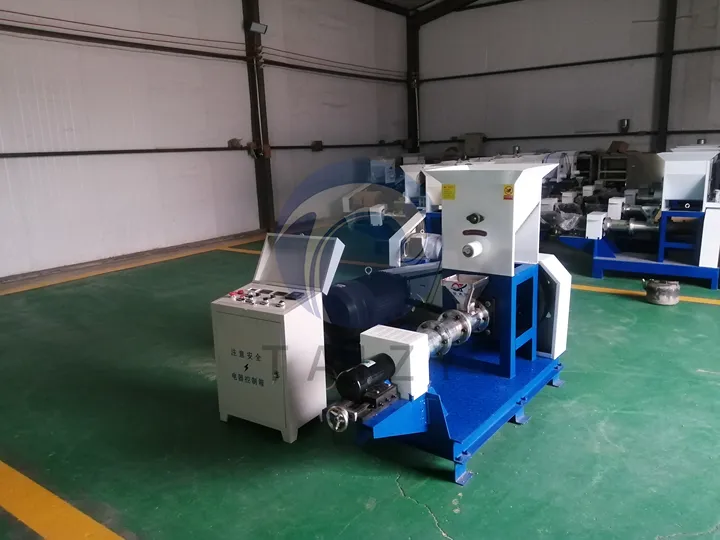
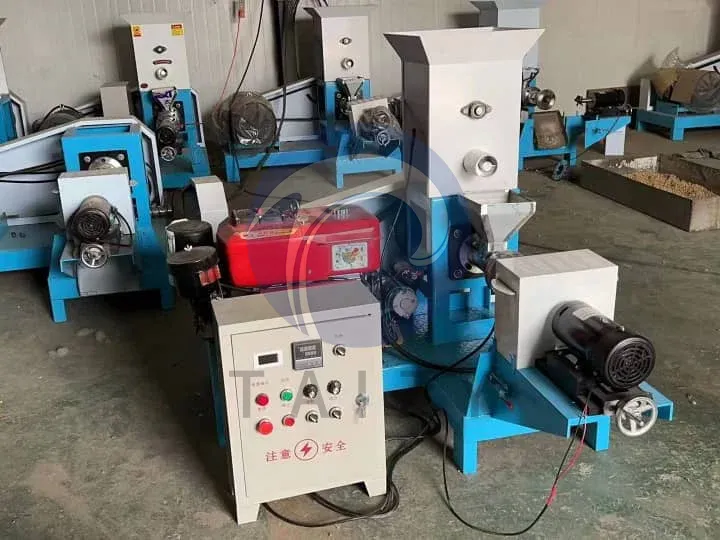
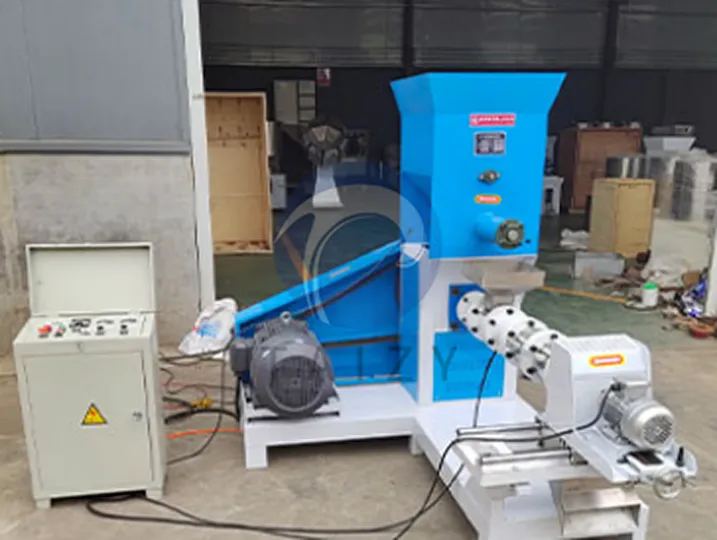
| Máy ép mùn cưa | Pelletize & nấu | 150–700 kg/h | $8,000–$45,000 | Thiết kế vít, kiểm soát nhiệt độ, các tùy chọn khuôn |
| Máy sấy khô | Giảm độ ẩm | 500 kg–2 TPH | $3,500–$25,000 | Nguồn nhiệt, điều khiển nhiệt độ, hiệu quả năng lượng |
| Máy làm mát | Làm mát viên nóng | 300 kg–1,5 TPH | $2,500–$10,000 | Thiết kế luồng gió, phù hợp công suất, thu bụi |
| Máy sàng | Phân loại theo kích thước | 500 kg–2 TPH | $1,500–$7,000 | Tùy chọn lưới màn, tần số rung |
| Máy đóng gói | Cân và niêm phong | 10–50 kg/bao | $2,000–$15,000 | Độ chính xác, tốc độ, tương thích loại bao |
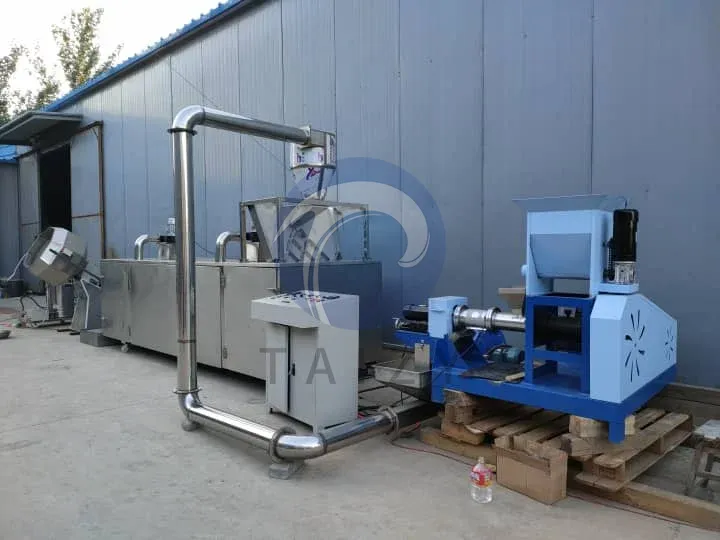
Nơi mua Thiết bị
- Nhà sản xuất Trung Quốc: Giá trị tốt nhất cho tiền, rẻ hơn 40-60% so với các thương hiệu châu Âu
- Các thương hiệu Châu Âu: Chất lượng cao hơn, dịch vụ sau bán hàng tốt hơn, nhưng đắt gấp 2-3 lần
- Các Đại lý địa phương: Giao hàng nhanh hơn, hỗ trợ địa phương, nhưng giá cao hơn
- Thiết bị đã qua sử dụng: Chi phí thấp hơn nhưng rủi ro cao hơn, chỉ dành cho người mua có kinh nghiệm
Lời khuyên chuyên môn mua thiết bị
- Yêu cầu tham khảo khách hàng và thăm các lắp đặt hiện có
- Đàm phán điều khoản thanh toán: đặt cọc 30%, 60% trước khi vận chuyển, 10% sau khi lắp đặt
- Bao gồm gói phụ tùng (chốt, má, bạc đạn) trong đơn hàng ban đầu
- Đảm bảo nhà cung cấp cung cấp hỗ trợ lắp đặt và đào tạo người vận hành
- Xác thực điều khoản bảo hành (tối thiểu 1 năm cho các thành phần chính)
Câu chuyện thành công: AquaFeed Nigeria – Từ khởi nghiệp đến người dẫn đầu thị trường
Trong ngành nuôi trồng thủy sản đang phát triển nhanh ở Nigeria, một doanh nghiệp địa phương đã chứng minh—thông qua kết quả thực tế—rằng với chiến lược đúng đắn, ngay cả một startup thức ăn cho cá quy mô nhỏ cũng có thể nhanh chóng trở thành vị thế dominante trên thị trường.
Một trong những khách hàng Nigeria của chúng tôi bắt đầu từ một doanh nghiệp nhỏ; chỉ sau năm năm, nó đã biến thành nhà cung cấp thức ăn cho cá chất lượng cao, phục vụ nông dân nuôi cá ở nhiều vùng lãnh thổ.
Kết luận: Bắt đầu với nhà máy thức ăn cho cá quy mô nhỏ của bạn
Khởi tạo một nhà máy sản xuất thức ăn cho cá quy mô nhỏ là một nhiệm vụ đáng kể, nhưng với kế hoạch đúng đắn, vốn đầy đủ và thực hiện có kỷ luật, nó có thể mang lại lợi nhuận cao. Điều then chốt là:
- Hãy bắt đầu với nghiên cứu thị trường kỹ lưỡng—đừng bỏ qua bước này
- Tạo kế hoạch kinh doanh chi tiết và tuân thủ nó
- Chọn thiết bị phù hợp với quy mô thị trường và kế hoạch tăng trưởng của bạn
- Tập trung vào tính nhất quán chất lượng từ đầu
- Xây dựng mối quan hệ vững mạnh với khách hàng và đại lý
- Duy trì dự trữ vốn làm việc đầy đủ
- Hãy kiên nhẫn—xây dựng một doanh nghiệp thành công cần thời gian
Sẵn sàng bắt đầu hành trình sản xuất thức ăn cho cá của bạn? Liên hệ với đội ngũ của chúng tôi để nhận các đề xuất thiết bị tùy chỉnh và phân tích ROI chi tiết dựa trên điều kiện thị trường cụ thể của bạn. Chúng tôi đã giúp hàng trăm doanh nhân khởi động các nhà máy thức ăn cho cá trên khắp châu Phi, châu Á và Mỹ Latinh.
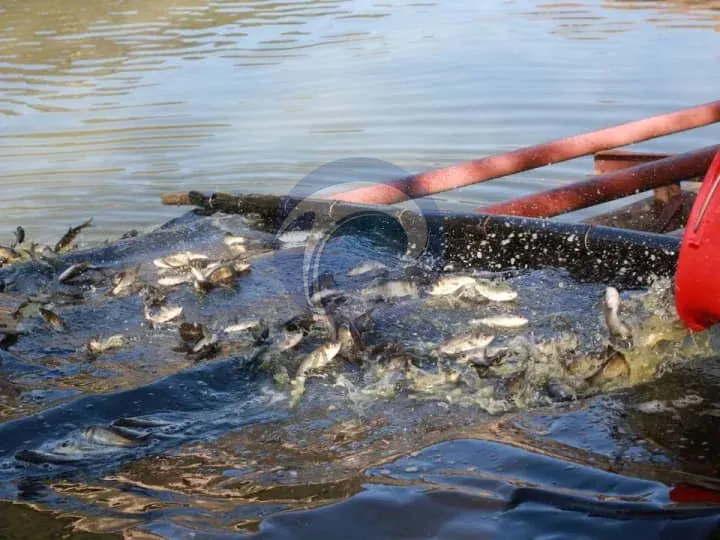
Để biết thêm về các sản phẩm pellet thức ăn cho cá của Taizy, hãy nhấp vào liên kết: