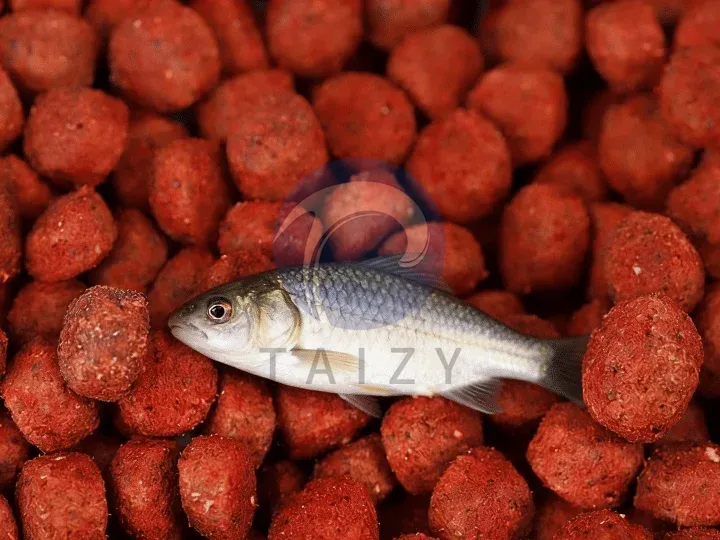
Lựa chọn giữa thức ăn cá nổi và chìm là một trong những quyết định quan trọng nhất cho sự thành công của nuôi trồng thủy sản. Lựa chọn sai có thể dẫn đến lãng phí thức ăn, tỷ lệ tăng trưởng kém và lợi nhuận giảm.
Hướng dẫn toàn diện này so sánh cả hai loại trên nhiều khía cạnh, cung cấp các khuyến nghị cụ thể cho từng loài, và bao gồm quy trình chuyển đổi từng bước nếu bạn cần chuyển đổi.
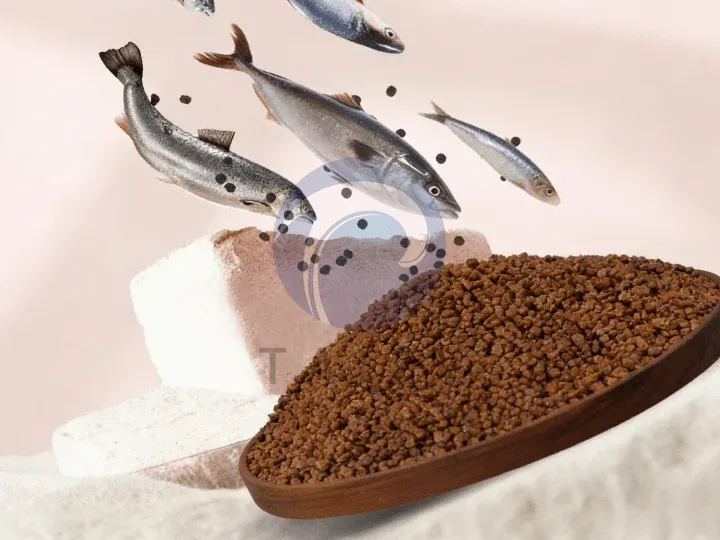
Lựa chọn thức ăn cá: Bạn nên chọn loại nào?
Trước khi đi vào các so sánh chi tiết, hãy sử dụng tham chiếu nhanh này để đưa ra quyết định của bạn:
| Tình huống của bạn | Loại được khuyến nghị | Lý do chính |
|---|---|---|
| Nuôi tilapia, cá da trơn hoặc cá chép | Thức ăn nổi | Những loài này tự nhiên ăn ở bề mặt |
| Nuôi tôm, tôm hùm hoặc các loài ăn đáy | Thức ăn chìm | Chúng ăn ở đáy ao |
| Muốn theo dõi hành vi cho ăn | Thức ăn nổi | Viên thức ăn có thể nhìn thấy cho phép quan sát |
| Dòng nước cao hoặc ao ngoài trời | Thức ăn chìm | Không dễ trôi đi |
| Ngân sách hạn chế, hoạt động quy mô nhỏ | Thức ăn nổi | Giảm chất thải = lợi nhuận tốt hơn |
| Hoạt động thương mại lớn với tự động hóa | Hoặc | Phụ thuộc vào loài và hệ thống |
| Lo ngại về chất lượng nước | Thức ăn nổi | Dễ dàng loại bỏ thức ăn không được ăn |
| Nuôi nhiều loài ở các độ sâu khác nhau | Sự kết hợp | Sử dụng cả hai loại một cách chiến lược |
“Loại thức ăn tốt nhất không phải là về việc loại nào kỹ thuật vượt trội - mà là loại nào phù hợp với loài, hệ thống và phong cách quản lý của bạn.”
— Chuyên gia Nuôi trồng Thủy sản
Hiểu những khác biệt cơ bản của thức ăn nổi hoặc chìm
Thức ăn nổi và chìm khác nhau về các thuộc tính vật lý, quy trình sản xuất và ứng dụng tối ưu. Hãy cùng phân tích những gì làm cho chúng trở nên độc đáo.
Điều gì làm cho thức ăn nổi hoặc chìm?
Độ nổi của thức ăn cá được xác định bởi mật độ của nó so với nước:
- Thức ăn nổi: Mật độ 280-350 g/L (ít hơn 1.000 g/L của nước)
- Thức ăn chìm: Mật độ 1.200-1.500 g/L (lớn hơn nước)
- Thức ăn chìm chậm: Mật độ 1.000-1.100 g/L (hơi dày hơn nước)
Sự khác biệt về mật độ này đạt được thông qua quy trình ép đùn. Thức ăn nổi trải qua quy trình ép đùn ở nhiệt độ và áp suất cao tạo ra các túi khí vi mô bên trong viên thức ăn, làm cho nó nổi. Thức ăn chìm sử dụng nhiệt độ và áp suất thấp hơn, dẫn đến cấu trúc dày đặc hơn.
| Thông số quy trình | Thức ăn nổi | Thức ăn chìm | Tác động |
|---|---|---|---|
| Nhiệt độ ép đùn | 120–150°C | 80–100°C | Nhiệt độ cao hơn tạo ra nhiều sự mở rộng hơn |
| Nội dung độ ẩm | 25–30% | 30–35% | Ảnh hưởng đến mật độ viên thức ăn |
| Áp lực | 30–40 bar | 15–25 bar | Áp lực cao hơn = mở rộng nhiều hơn |
| Tinh chế tinh bột | 85–95% | 60–75% | Khả năng tiêu hóa tốt hơn trong thức ăn nổi |
| Tỷ lệ mở rộng | 1.5–2.5× | 1.0–1.2× | Thức ăn nổi mở rộng nhiều hơn |
| Thời gian sấy khô | 20–30 phút | 10–15 phút | Thời gian sấy khô lâu hơn cho thức ăn nổi |
| Tiêu thụ năng lượng | Cao hơn ( 15–20%) | Thấp hơn | Thức ăn nổi có chi phí sản xuất cao hơn |
Thức ăn nổi so với thức ăn chìm: Loại nào tốt hơn?
Thức ăn nổi
- Phù hợp hơn cho cá ăn ở bề mặt nước (Tilapia, Cá da trơn, Cá chép)
- Hành vi cho ăn dễ dàng quan sát
- Tỷ lệ tiêu hóa và sử dụng thức ăn cao hơn
- Giúp duy trì chất lượng nước
- Tuy nhiên, chi phí sản xuất cao hơn
Thức ăn chìm
- Phù hợp cho các loài ăn đáy (Tôm, Tôm hùm)
- Giảm chi phí sản xuất
- Ổn định hơn trong nước; không dễ trôi đi
- Tuy nhiên, hoạt động cho ăn khó quan sát hơn, và nguy cơ lãng phí thức ăn cao hơn
Nghiên cứu trường hợp thực tế
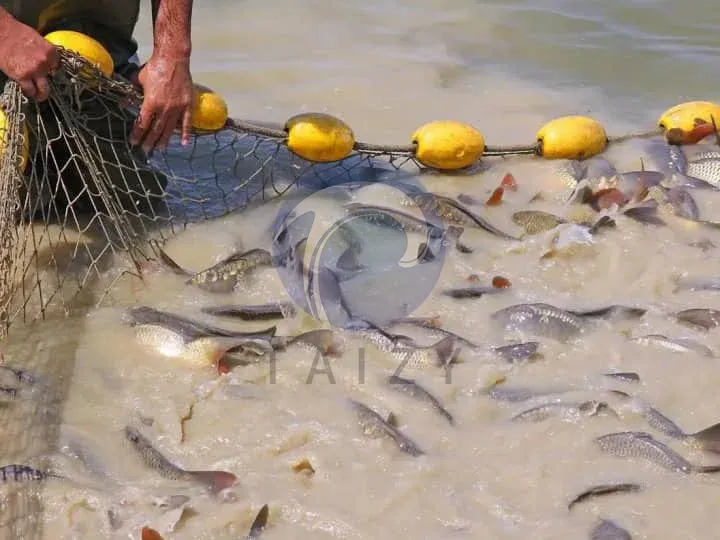
Nghiên cứu trường hợp 1: Trang trại tilapia ở Nigeria – Chuyển sang thức ăn nổi
| Đơn vị đo lường | Trước (Chìm) | Sau (Nổi) | Thay đổi |
|---|---|---|---|
| Kích thước trang trại | 5 hecta | 5 hecta | — |
| Mật độ thả giống | 3 cá/m² | 3 cá/m² | — |
| Tỷ lệ chuyển đổi thức ăn | 1.8 | 1.4 | -22% (tốt hơn) |
| Chi phí thức ăn mỗi kg cá | $0.65 | $0.52 | -20% tiết kiệm |
| Thời gian thu hoạch | 7 tháng | 6 tháng | Nhanh hơn 1 tháng |
| Vấn đề chất lượng nước | Các đợt tăng amoniac thường xuyên | Các thông số ổn định | Cải thiện lớn |
| Lao động cho việc cho ăn | 4 công nhân, 3 giờ/ngày | 3 công nhân, 2 giờ/ngày | -25% chi phí lao động |
| Tăng lợi nhuận hàng năm | — | — | +35% |
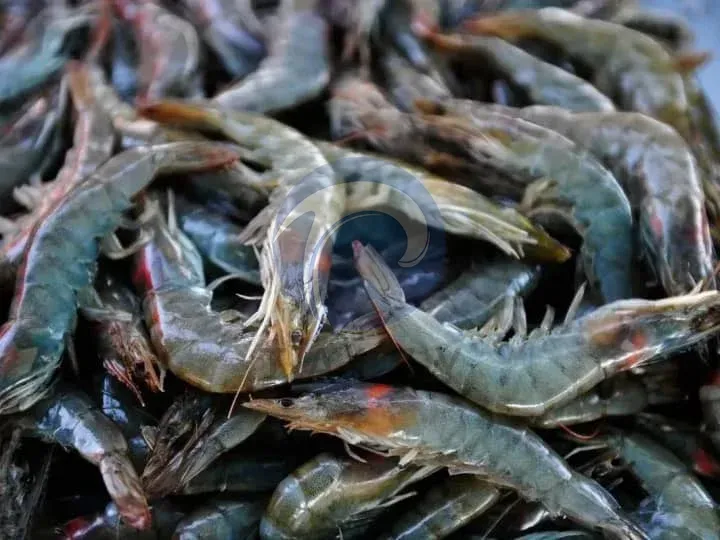
Nghiên cứu trường hợp 2: Trang trại tôm ở Ecuador – Sử dụng thức ăn chìm
Situation: Marine shrimp naturally feed at the pond bottom. Attempted to use floating feed, but resulted in:
- Tỷ lệ tăng trưởng không đồng đều
- Tỷ lệ tăng trưởng không đồng đều
- FCR cao (2.2 so với tiêu chuẩn ngành 1.6)
Solution: Switched to high-quality sinking shrimp feed with:
- Chất hấp dẫn chuyên biệt (chiết xuất mực, betaine)
- Độ ổn định trong nước hơn 4 giờ
- Khay cho ăn tự động với cảm biến
Results:
- FCR cải thiện từ 2.2 xuống 1.5
- Tỷ lệ sống sót tăng từ 72% lên 85%
- Độ đồng nhất kích thước thu hoạch cải thiện 40%
- Biên lợi nhuận tăng từ 18% lên 28%
“Chúng tôi đã thử thức ăn nổi để tiết kiệm tiền, nhưng đó là một thảm họa. Thức ăn chìm là không thể thương lượng cho tôm. Chìa khóa là sử dụng thức ăn chất lượng với các hệ thống giám sát thích hợp.”
— Chủ trang trại tôm, Ecuador
Câu hỏi thường gặp về việc chọn viên thức ăn
Tôi có thể trộn thức ăn nổi và chìm lại với nhau không?
Có, bạn có thể trộn chúng, nhưng thường không được khuyến nghị. Mật độ khác nhau gây ra sự tách biệt trong quá trình lưu trữ và xử lý. Nếu bạn cần cả hai loại, hãy cho ăn chúng riêng biệt vào những thời điểm hoặc địa điểm khác nhau.
Thức ăn nổi giữ trên bề mặt bao lâu?
Thức ăn nổi chất lượng nên giữ được độ nổi trong 4-6 giờ trong nước tĩnh. Sau đó, nó dần dần hấp thụ nước và chìm. Điều này thực sự có lợi - nó cho phép cá có thời gian ăn trong khi ngăn ngừa ô nhiễm lâu dài từ các viên thức ăn không được ăn.
Tại sao thức ăn nổi của tôi lại chìm ngay lập tức?
Các nguyên nhân có thể bao gồm sự mở rộng không đủ, sự hấp thụ độ ẩm của thức ăn trong quá trình lưu trữ, hoặc việc áp dụng dầu bề mặt quá mức. Ngoài ra, việc lão hóa thức ăn hoặc xử lý không đúng cũng có thể là những yếu tố góp phần.
Thức ăn chìm có rẻ hơn thức ăn nổi không?
Mỗi tấn, thức ăn chìm thường rẻ hơn 10-15%. Tuy nhiên, khi bạn tính đến FCR (tỷ lệ chuyển đổi thức ăn) cao hơn và khả năng lãng phí, thức ăn nổi thường có chi phí thấp hơn mỗi kilogram cá sản xuất. Luôn tính toán chi phí mỗi đơn vị sản xuất, không phải chi phí mỗi tấn thức ăn.
Có thể huấn luyện cá chấp nhận loại thức ăn khác không?
Có, hầu hết cá có thể được huấn luyện để chấp nhận loại thức ăn nào đó, mặc dù điều này cần thời gian và kiên nhẫn. Cá ăn ở bề mặt thích nghi với thức ăn chìm dễ hơn so với cá ăn đáy thích nghi với thức ăn nổi. Các hướng dẫn chuyển đổi trong bài viết này cung cấp hướng dẫn từng bước.
Lựa chọn đúng cho hoạt động của bạn
Không có lựa chọn “tốt hơn” nào giữa thức ăn cá nổi và chìm. Lựa chọn đúng phụ thuộc vào:
- Loài của bạn – Khớp loại thức ăn với hành vi ăn tự nhiên
- Hệ thống của bạn – Cân nhắc độ sâu nước, dòng chảy và cơ sở hạ tầng
- Phong cách quản lý của bạn – Cho ăn thủ công so với tự động
- Kinh tế của bạn – Tổng chi phí mỗi kg cá, không chỉ giá thức ăn
- Môi trường của bạn – Các ưu tiên và quy định về chất lượng nước
For most tilapia, catfish, and ornamental fish farmers—especially beginners—floating feed offers superior manageability and often better economics despite the higher upfront cost. For shrimp, prawns, and other bottom feeders, sinking feed is essential.
Ready to optimize your feed strategy? Contact our team for personalised recommendations based on your specific operation, or explore our guide on making your own floating fish feed to reduce costs.