Shrimp Feed Pellet Machine Delivered to Philippines Aquaculture Farm
A medium-sized shrimp farm in the Philippines significantly reduced feed costs and boosted production efficiency after installing a dedicated shrimp feed pelletizer. By producing high-quality shrimp feed in-house, the farm slashed its feed expenditure by 43%.
4.7/5 - (16 votes)
How a medium-sized shrimp farm in the Philippines transformed its feed costs and production efficiency with a specialized shrimp feed pellet machine.
This case study documents the successful installation and operation of a specialized shrimp feed pellet machine at a commercial aquaculture facility in the central Philippines.
The project demonstrates how localized feed production can significantly reduce operational costs while improving shrimp growth rates and feed conversion ratios.
Client Background: Philippines Aquaculture Farms
Philippines Aquaculture Farms Inc. operates 45 hectares of shrimp ponds in Bohol Province, specializing in black tiger shrimp (Penaeus monodon) and whiteleg shrimp (Litopenaeus vannamei). Established in 2018, the farm produces approximately 180 tons of shrimp annually.
Business Challenge
Before installing their own feed production equipment, the farm faced several critical challenges:
High feed costs: Commercial shrimp feed accounted for 62% of total operating expenses
Supply chain delays: Feed deliveries from Manila took 5-7 days, causing production disruptions
Limited formulation control: Unable to adjust recipes for different growth stages
“We were completely dependent on external feed suppliers. Any delay in shipment meant our shrimp went unfed, and the feed quality varied so much that we couldn’t maintain consistent growth rates across our ponds.”
— Farm Manager
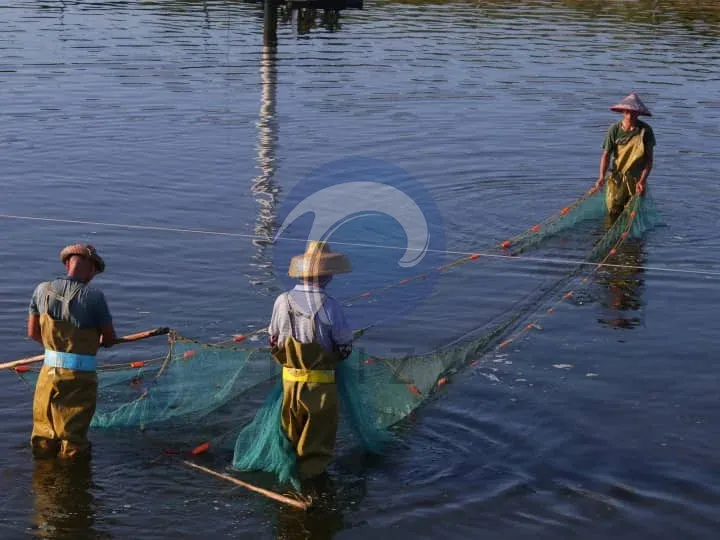
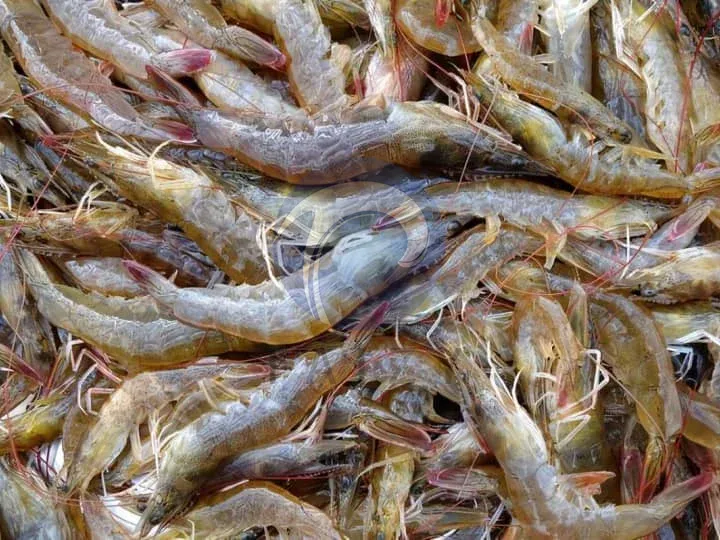
shrimp farming
Why Specialized Shrimp Feed Equipment Matters
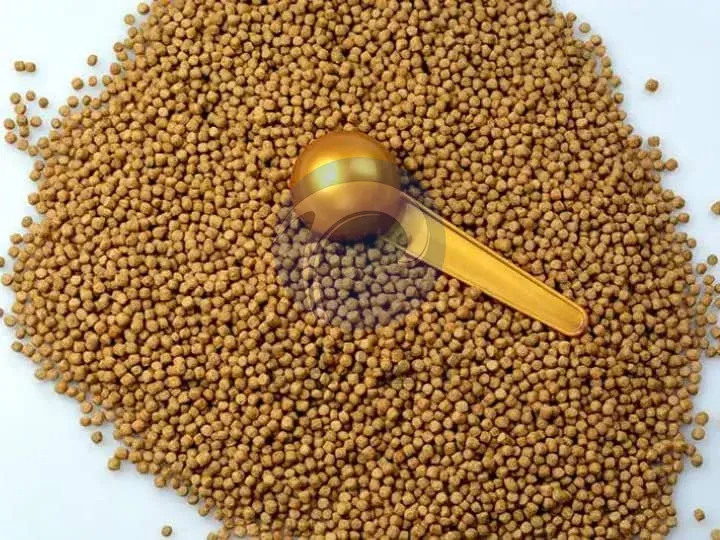
Shrimp have unique nutritional requirements that differ significantly from fish or livestock. Their feed must meet specific criteria for water stability, nutrient density, and pellet integrity.
Shrimp Feed Requirements
Parameter
Requirement
Importance
Protein content
35-45%
Critical for growth and molting
Lipid content
6-12%
Energy source and vitamin absorption
Water stability
2-4 hours
Prevents nutrient leaching
Pellet size
1.5-4.0 mm
Matches shrimp mouth size by stage
Sinking rate
Slow sinking
Allows shrimp to locate feed
normal requirements for shrimp feed
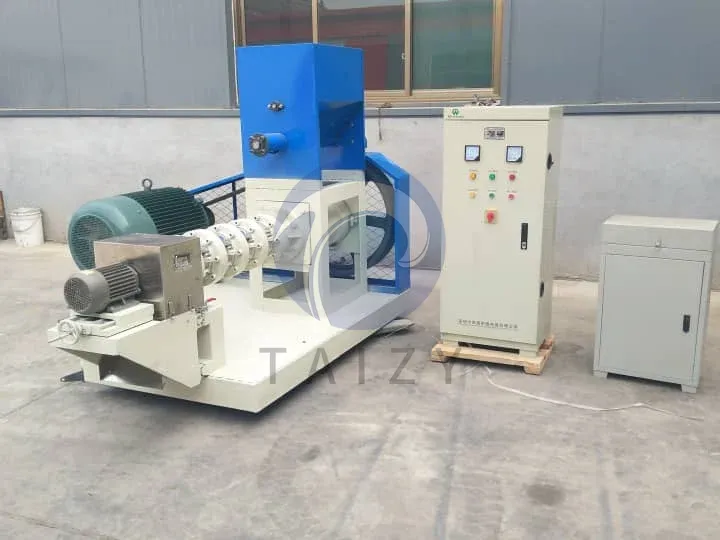
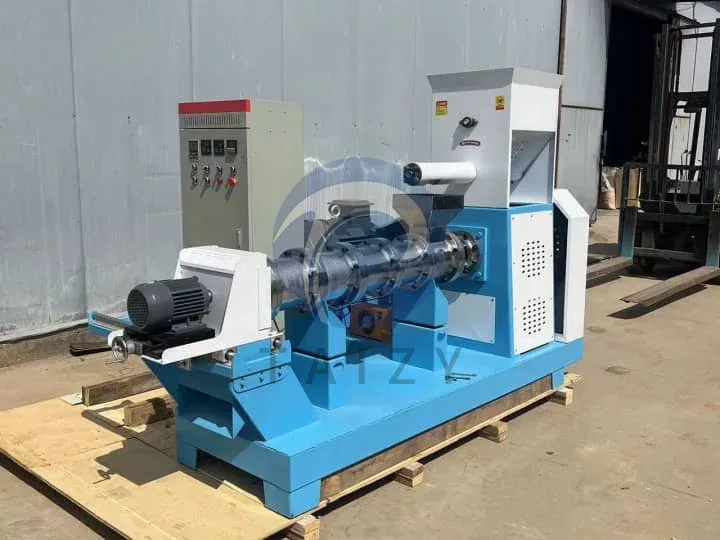
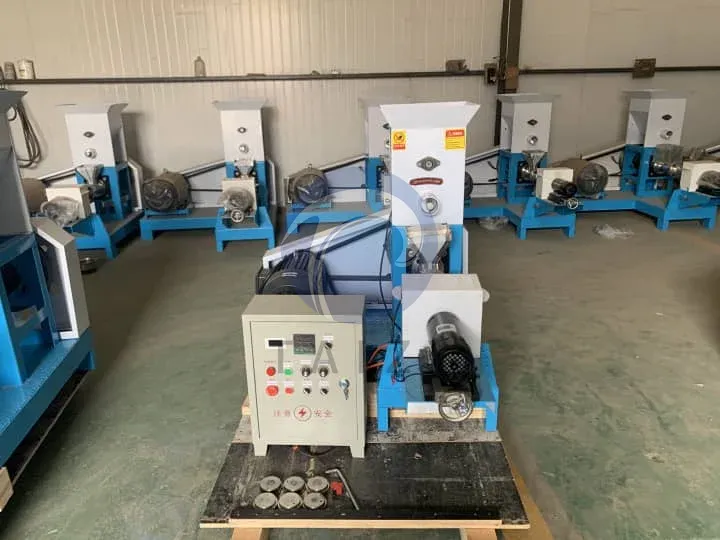
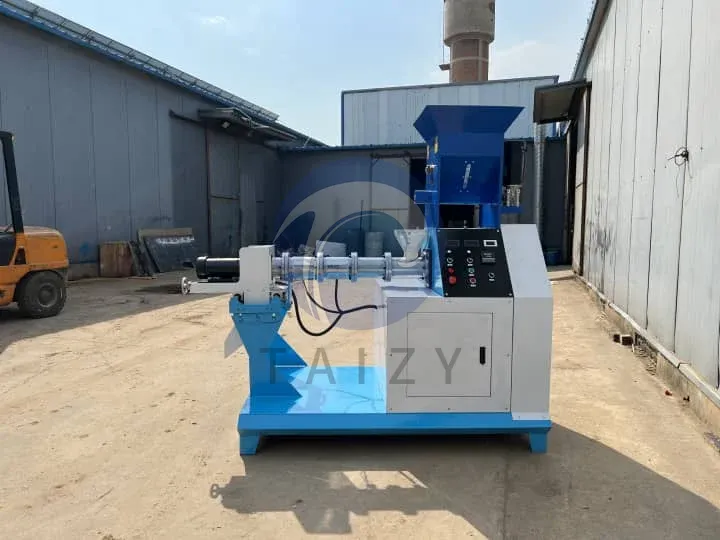
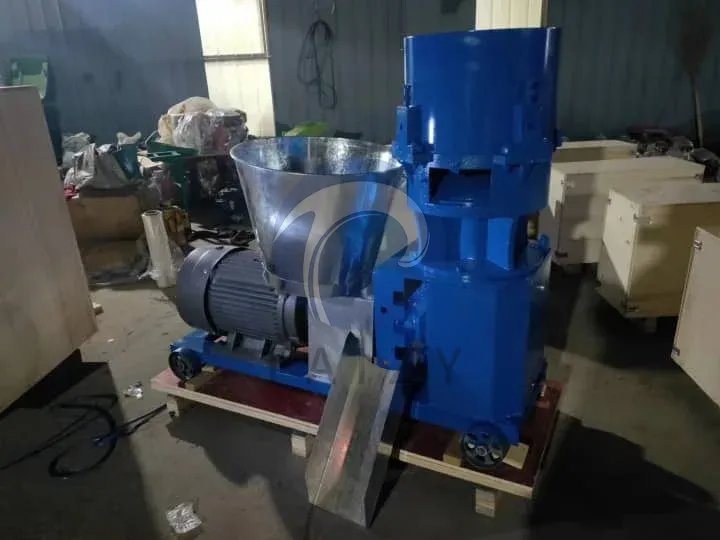
The DGP-200 shrimp feed pellet machine selected for this project was specifically engineered to meet these demanding specifications, featuring precision die configurations and advanced conditioning systems.
Equipment Selection and Configuration
After evaluating multiple equipment options and visiting reference installations in Thailand and Vietnam, Philippines Aquaculture Farms selected the DGP-200 flat-die pellet mill with specialized shrimp feed configurations.
Core Equipment Specifications
Component
Specification
Function
Model
DGP-200
Flat-die pellet mill
Motor power
90 kW
Main drive system
Production capacity
800-1200 kg/h
Meets daily feed demand
Die material
Stainless steel 201
Corrosion resistance
Die hole diameter
1.5-4.0 mm
Adjustable for growth stages
Compression ratio
1:9
Optimal for shrimp feed
Conditioning system
Double-layer steam
Improves starch gelatinization
Feeder type
Screw feeder with variable speed
Precise material flow control
parameters of this shrimp feed pellet machine
shrimp feed extruder machine
Supporting Equipment
Hammer mill crusher: 30 kW, for raw material grinding (80-100 mesh)
Horizontal mixer: 500 kg batch capacity, dual-shaft design
Bucket elevator: 5 TPH capacity, food-grade construction
Cooling conveyor: 6-meter length, forced air cooling
Vibrating sieve: Removes fines and oversized pellets
Automatic packaging scale: 5-50 kg bag filling
Operational Performance Data
After three months of operation (February-April 2026), the farm has collected comprehensive performance data demonstrating the equipment’s effectiveness.
Production Metrics
Metric
Before (Purchased Feed)
After (On-site Production)
Improvement
Daily feed production
N/A (purchased)
6.5 tons/day
Self-sufficient
Feed cost per kg
$1.45 USD
$0.82 USD
43% reduction
Monthly feed expense
$38,500 USD
$21,800 USD
$16,700 savings
Feed conversion ratio
1.65:1
1.42:1
14% improvement
Shrimp growth rate
2.8 g/week
3.4 g/week
21% faster
Survival rate
82%
89%
7% increase
operational performance data of the shrimp feed pellet machine
Water Quality Improvements
The improved feed quality and water stability have led to measurable improvements in pond water quality:
Ammonia levels: Reduced from 0.8 ppm to 0.4 ppm average
Nitrite levels: Reduced from 0.3 ppm to 0.15 ppm average
Dissolved oxygen: More stable, reduced aeration costs by 18%
Water exchange frequency: Reduced from every 5 days to every 8 days
Customer Feedback and Lessons Learned
What Worked Well
Equipment reliability: Zero unplanned downtime in 3 months
Feed quality consistency: Uniform pellet quality batch after batch
Technical support: Responsive remote support from Taizy team
Operator training: Staff became proficient within 2 weeks
Ingredient flexibility: Can process various local ingredients
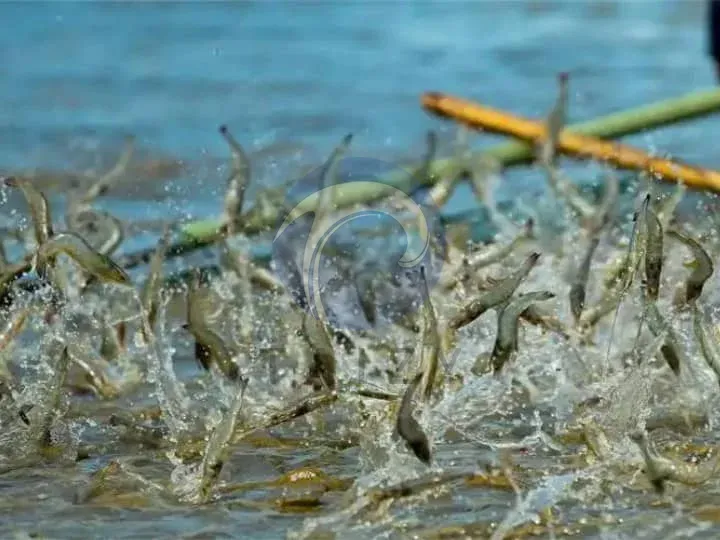
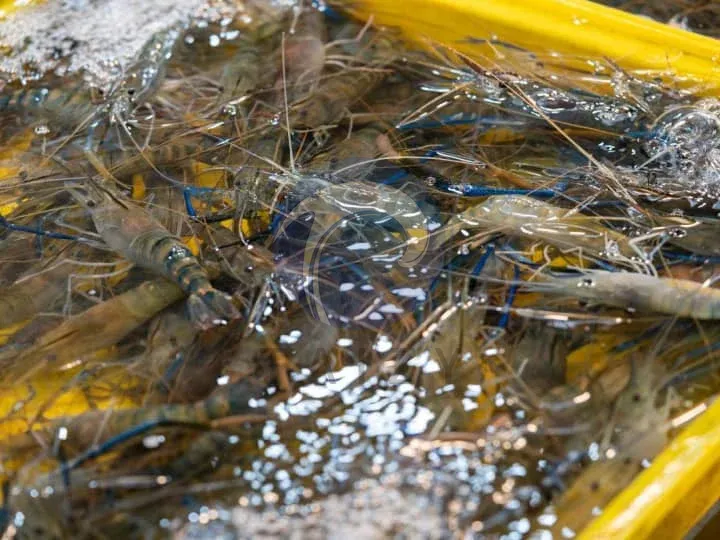
black tiger shrimppacific white shrimp farming
Challenges and Solutions
Our customer also encountered some issues when first using this machine, but with the help of our technician, all issues were resolved.
Challenge
Solution
Outcome
High humidity affects raw materials
Installed a dehumidifier in storage area
Moisture content maintained at 12%
Power fluctuations
Added voltage stabilizer
Consistent motor performance
Initial die clogging
Adjusted conditioning temperature to 85°C
Smooth pelletizing process
Spare parts availability
Ordered critical spares with equipment
No production delays
challenges and solutions for the use of the shrimp feed pellet machine
Conclusion
The installation of a shrimp feed pellet machine at Philippines Aquaculture Farms demonstrates the transformative potential of on-site feed production for aquaculture operations in the Philippines and throughout Southeast Asia.
With feed costs reduced by 43%, feed conversion ratios improved by 14%, and shrimp growth rates increased by 21%, the project has exceeded all initial expectations. The 1.7-month payback period and 526% first-year ROI make a compelling business case for similar investments.
As the Philippines continues to develop its aquaculture sector, localized feed production represents a strategic opportunity to reduce costs, improve quality, and enhance the competitiveness of domestic shrimp producers in the global market.