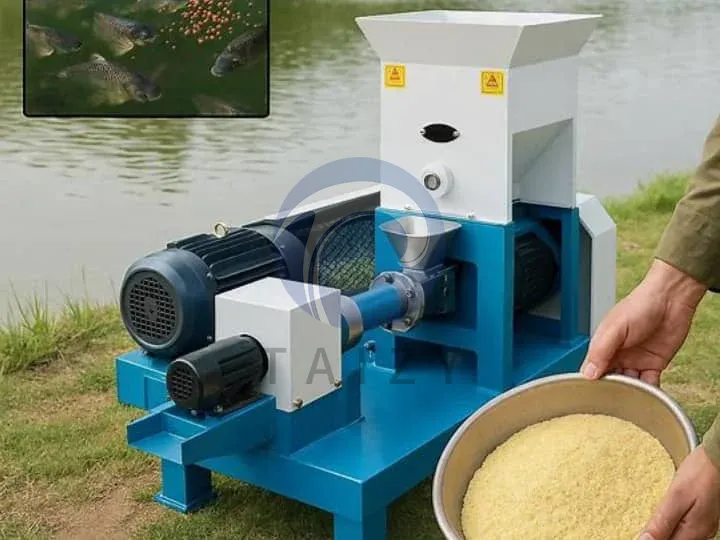
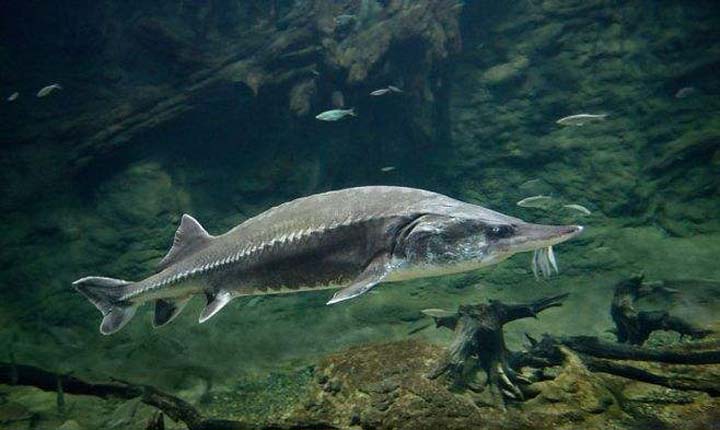
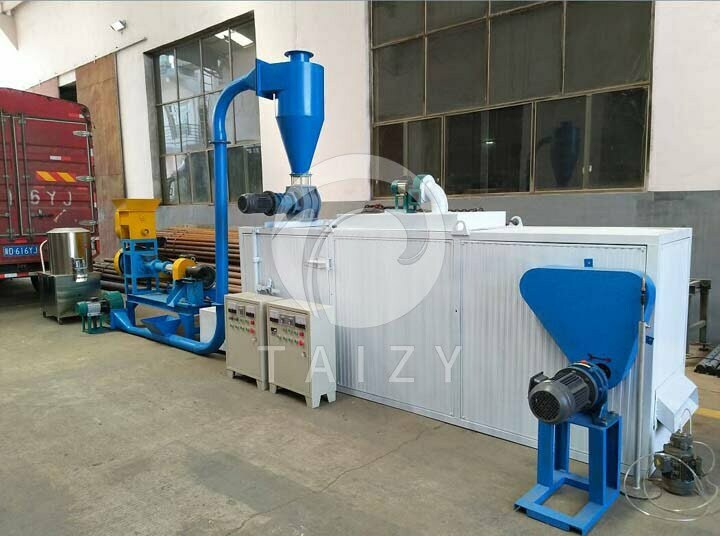
A ração de peixes é produzida pela máquina de pellets de ração para peixes, geralmente chamada de extrusora de parafuso único. Uma linha de produção completa de ração de peixes pode produzir ração de alta qualidade. Então, você sabe quais são os ingredientes da ração de peixes?
Vamos verificar quais os ingredientes necessários e algumas matérias-primas que talvez você não conheça. Compreender a composição da ração de peixes é crucial para o sucesso da aquicultura, pois uma nutrição adequada representa 60-70% dos custos de produção e impacta diretamente as taxas de crescimento, as taxas de conversão alimentar e a saúde geral dos peixes.
Princípios Básicos para Fazer Ração de Peixes
Antes de desenhar um pellet de ração razoável, é necessário entender as espécies de peixes cultivadas e seus estágios de crescimento. Isso pode ajudar a determinar os níveis de nutrientes como proteína e energia na ração.
É necessário não só atender às necessidades de proteína para o crescimento dos peixes, mas também manter a proporção de energia e proteína. Uma proporção de energia para proteína demasiado alta ou baixa não é benéfica para o crescimento dos peixes.
Ao desenhar o pellet de ração, também devemos considerar a relação entre nutrição da ração e capacidade. Não só para garantir que os peixes possam absorver nutrientes suficientes, mas também para fazê-los sentir-se saciados.
Diferentes espécies de peixes têm requisitos nutricionais bastante distintos: peixes carnívoros como o salmão requerem 35-45% de proteína, enquanto peixes herbívoros como a carpa prosperam com 25-30% de proteína. Além disso, peixes larvais precisam de níveis mais altos de proteína (45-50%) em comparação com peixes adultos.
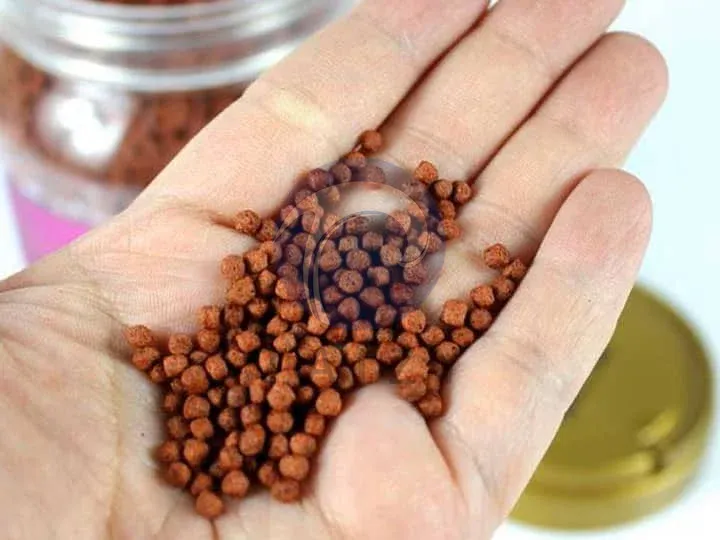
Princípios para Seleção de Ingredientes de Ração de Peixes
Na medida do possível, quanto mais tipos de matérias-primas, melhor. Para garantir que os aminoácidos essenciais na ração tentem atingir um equilíbrio o máximo possível para atender às necessidades dos peixes para vários aminoácidos essenciais.
A diversidade de ingredientes ajuda a criar um perfil nutricional mais completo e reduz a dependência de fontes únicas de matérias-primas, que podem variar em preço e disponibilidade.
Requisitos de Qualidade:
- Nunca use matérias-primas mofadas: Matérias-primas mofadas contêm um grande número de germes e toxinas. Alimentar esses alimentos é muito provável de causar doenças nos peixes e pode levar a altas taxas de mortalidade.
- Limitar farinha de algodão e farinha de colza: Embora a farinha de algodão e a farinha de colza sejam baratas e tenham alto teor de proteína, contêm fatores antinutricionais como gossypol e glucosinolatos. Uso excessivo afetará o crescimento e a saúde dos peixes. Portanto, é necessário limitar a quantidade de farinha de algodão e farinha de colza, que geralmente não excedem 10% da formulação total.
- Equilíbrio do perfil de aminoácidos: Os peixes necessitam de 10 aminoácidos essenciais que devem ser obtidos através da dieta. O uso de múltiplas fontes de proteína ajuda a alcançar um equilíbrio ótimo de aminoácidos, especialmente lisina e metionina, que muitas vezes são limitantes em formulações à base de plantas.
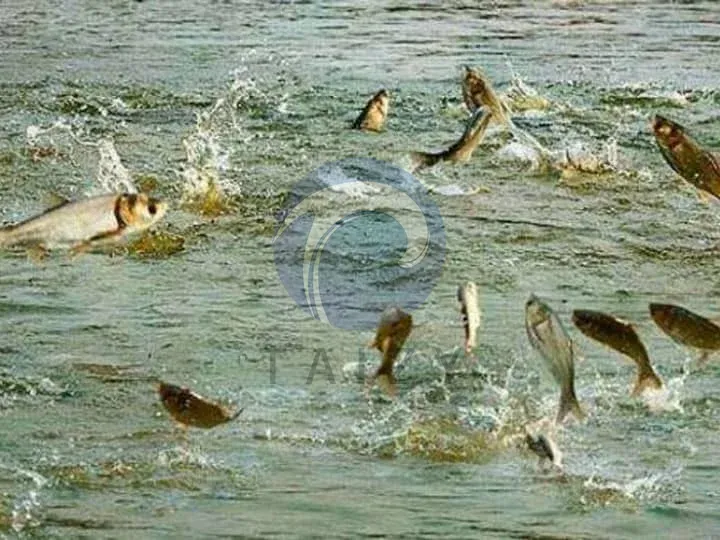
Categorias principais de ingredientes de ração de peixes
Formulações de ração de alta qualidade geralmente contêm ingredientes de quatro categorias principais:
- Fontes de proteína (30-50% da formulação):
- Farinha de peixe (60-72% de proteína) – padrão ouro para ração de aquicultura
- Farelo de soja (44-48% de proteína) – a proteína vegetal mais comum
- Farelo de glúten de milho (60% de proteína) – altamente digestível
- Farelo de carne e osso (50% de proteína) – opção econômica
- Farelo de camarão, krill – ingredientes premium para rações especiais
- Fontes de energia (20-40% da formulação):
- Milho, trigo, farelo de arroz – principais fontes de carboidratos
- Óleo de peixe, óleo de soja – ácidos gordos essenciais
- Farinha de trigo, farelo de arroz – agentes de ligação e energia
- Premix de vitaminas (1-3% da formulação):
- Vitamina A, D3, E, K – vitaminas lipossolúveis
- Vitamina C, complexo B – vitaminas solúveis em água
- Premixes especializados para diferentes espécies e fases de vida
- Premix mineral (2-5% da formulação):
- Cálcio, fósforo – desenvolvimento ósseo
- Zinco, cobre, ferro, manganês – minerais traço
- Selénio, iodo – micronutrientes essenciais
Atenção aos Materiais Brutos da Ração de Peixes
Muitos agricultores gostam de usar resíduos de óleo baratos e farinhas de carne. Mas esses matérias-primas são misturados com uma grande quantidade de pele de animal, o que afeta o progresso suave do processo de pulverização e granulação. Assim, os peixes não são facilmente digeridos após o consumo.
As gorduras são gorduras saturadas, e algumas começaram a ficar rançosas devido ao longo tempo de armazenamento. O uso de gordura saturada pelos peixes é baixo; o consumo excessivo de gordura rançosa também pode levar a doenças como fígado gordo nos peixes. A quantidade de tais matérias-primas deve ser controlada abaixo de 5%.
De acordo com pesquisas da Aliança Global de Aquicultura, o uso de matérias-primas frescas e de alta qualidade pode melhorar a taxa de conversão de ração (FCR) em 15-20%, reduzindo significativamente os custos de produção e o impacto ambiental através de menos desperdício.
Fluxo de produção de ração de peixes
O processo tecnológico de processamento científico de rações para peixes geralmente inclui processos como pulverização, mistura e granulação. Onde as condições permitirem, também inclui têmpera e revenido antes da granulação. O tamanho das partículas de britagem é muito grosso ou muito fino. Geralmente, as matérias-primas da ração composta para peixes devem passar por uma peneira de malha 40. O condicionamento é o processo de misturar a ração com vapor antes da peletização.
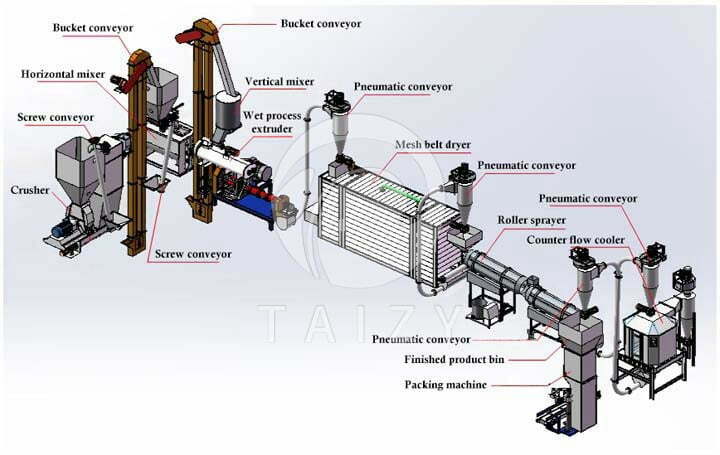
Processo de condicionamento: O condicionamento faz o amido gelatinizar, o que pode melhorar a digestibilidade dos peixes. A fluidez do alimento resfriado e temperado é boa, facilitando a formação do pellet. A chave do resfriamento e condicionamento é controlar o vapor de resfriamento e temperamento, que requer vapor saturado.
Geralmente, a quantidade de vapor necessária é calculada com base em 5% do material. Além disso, a temperatura de condicionamento deve ser determinada de acordo com a composição da ração. Devido ao alto teor de proteína na ração de peixes, a temperatura da ração deve estar acima de 85°C. O tamanho do pellet deve ser determinado pela largura da fenda do peixe. E o tamanho do pellet deve ser inferior a 1/2 da largura da fenda.
A tecnologia moderna de extrusão permite a produção de pellets de ração tanto flutuantes quanto submersos, sendo que a ração flutuante é particularmente valiosa para observar o comportamento de alimentação dos peixes e reduzir o desperdício de ração.
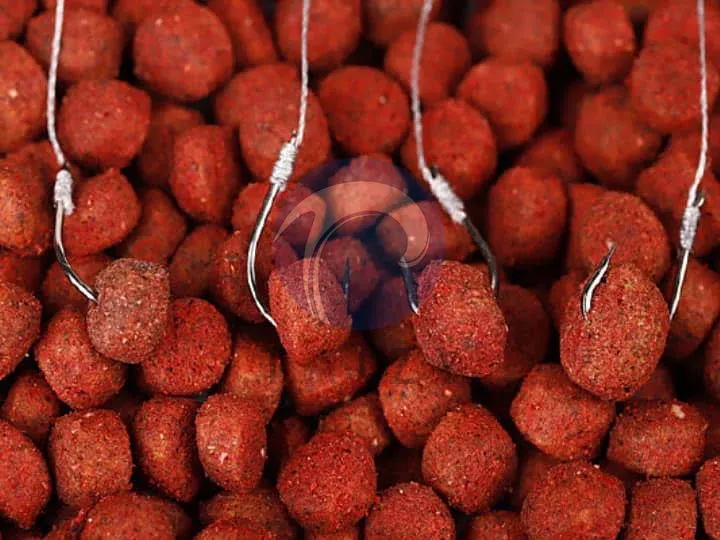
Por que é Necessário Usar Aditivos?
Aditivos de ração são um termo geral para substâncias que melhoram a qualidade dos produtos animais. Adicionar aditivos à ração pode promover a digestão e absorção de nutrientes e regular o metabolismo corporal. Além disso, pode garantir a saúde animal, melhorar a eficiência na utilização de nutrientes e elevar os níveis de produção animal.
Aditivos Comuns Incluem:
- Enzimas: Fosfato de fitase, protease e amilase para melhorar a digestibilidade
- Probióticos: Bactérias benéficas para saúde intestinal e resistência às doenças
- Prebióticos: FOS, MOS para apoiar a microflora intestinal benéfica
- Antioxidantes: Prevenir a oxidação da gordura e manter a qualidade da ração
- Agentes de ligação: Melhorar a estabilidade do pellet na água
- Estimulantes imunológicos: Beta-glucanos, nucleotídeos para aumentar a resistência às doenças
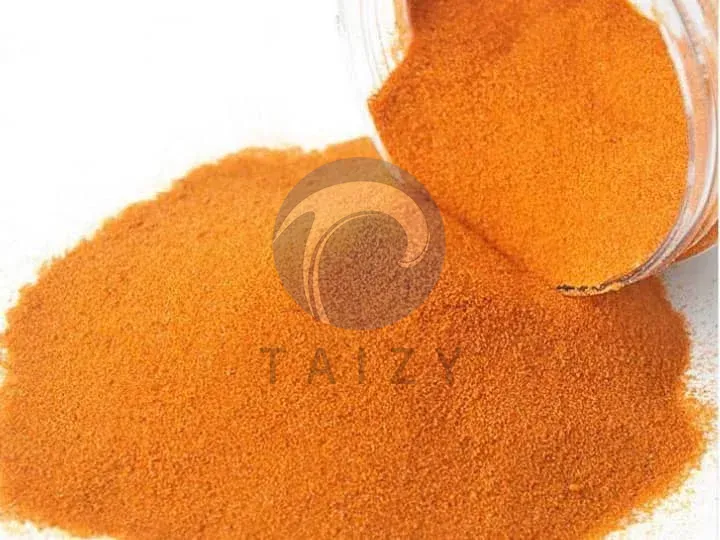
Para aditivos vitamínicos e minerais, devido à grande variedade, baixo consumo e alto conteúdo técnico na combinação de várias vitaminas e minerais, os agricultores precisam comprar micronutrientes e minerais monoméricos. Não é possível obter uma mistura equilibrada de nutrientes. Premixes de vitaminas e minerais produzidos por fabricantes regulares podem ser selecionados e adicionados de forma razoável de acordo com a espécie e a fase de crescimento do peixe cultivado.
Perguntas Frequentes sobre Fabricação de Pellets de Ração para Peixes
Qual é o ingrediente mais importante na ração de peixes?
A proteína é o ingrediente mais crítico, geralmente representando 30-50% da ração de peixes. A farinha de peixe continua sendo o padrão ouro devido ao seu excelente perfil de aminoácidos e alta digestibilidade, embora proteínas vegetais como a farinha de soja estejam sendo cada vez mais usadas como alternativas econômicas.
Posso fazer ração para peixes em casa?
Sim, a produção de ração para peixes em pequena escala é possível usando uma máquina de pellets. No entanto, alcançar um equilíbrio nutricional adequado requer formulação cuidadosa, ingredientes de qualidade e compreensão das necessidades específicas da sua espécie de peixe. Para operações comerciais, linhas de produção profissionais garantem consistência e qualidade.
Qual é a diferença entre ração de peixes flutuante e submersa?
A ração flutuante usa cozimento por extrusão a temperaturas e pressões mais altas, criando pellets porosos que flutuam por 12-24 horas. A ração que afunda usa pelleting padrão. A ração flutuante permite observar o comportamento de alimentação e reduzir o desperdício, enquanto a ração que afunda é adequada para espécies que se alimentam no fundo.
Como calcular as necessidades de ração de peixes?
Requisito de ração = Biomassa de peixes × Taxa de alimentação (%). As taxas de alimentação variam por espécie, tamanho e temperatura da água: peixes juvenis (5-10% do peso corporal/dia), peixes adultos (1-3% do peso corporal/dia). A temperatura da água afeta significativamente o metabolismo e a atividade de alimentação.
Ingredientes à base de plantas são adequados para ração de peixes?
Sim, mas com limitações. Proteínas vegetais podem substituir de 30 a 70% da farinha de peixe dependendo da espécie. No entanto, podem faltar certos aminoácidos e conter fatores antinutricionais. Processamento adequado e suplementação com aminoácidos sintéticos podem otimizar formulações à base de plantas.
Conclusão
Compreender os ingredientes da ração de peixes é fundamental para operações de aquicultura bem-sucedidas. A combinação certa de fontes de proteína, ingredientes energéticos, vitaminas e minerais impacta diretamente o crescimento, a saúde e a eficiência de conversão alimentar dos peixes. Ingredientes de qualidade não só promovem um crescimento mais rápido, mas também aumentam a resistência às doenças e reduzem o impacto ambiental através de uma melhor utilização dos nutrientes.
Para os agricultores de aquicultura, investir em ingredientes de qualidade e formulações adequadas traz retorno através de melhor desempenho de produção e rentabilidade. Seja operando um pequeno lago ou uma grande instalação comercial, os princípios de nutrição equilibrada permanecem os mesmos: fornecer os nutrientes certos, nas proporções corretas, no momento adequado.
A nossa Máquina Profissional de Fabricação de Pellets de Ração Flutuante e linhas completas de produção de ração para peixes permitem-lhe produzir ração de alta qualidade usando ingredientes disponíveis localmente, reduzindo custos e garantindo uma ração fresca e nutritiva para os seus peixes.
Pronto para otimizar sua produção de ração de peixes? Contacte nossa equipe técnica para orientações especializadas em formulação de ração, seleção de equipamentos e configuração de linhas de produção adaptadas às suas necessidades específicas de aquicultura.