
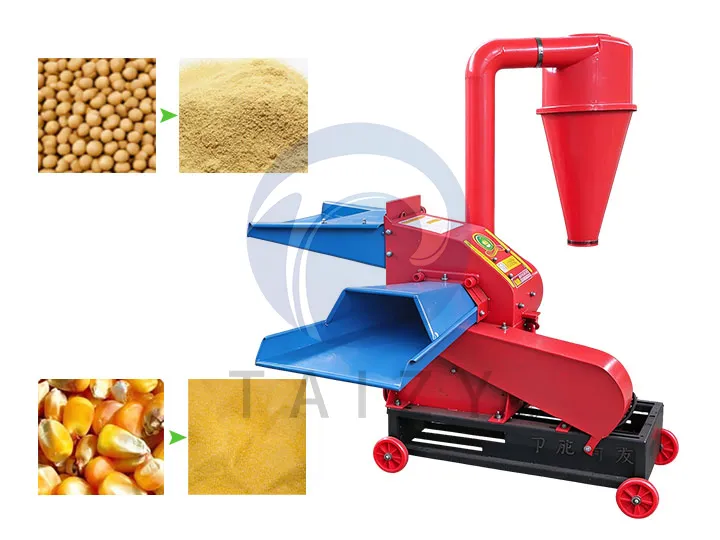
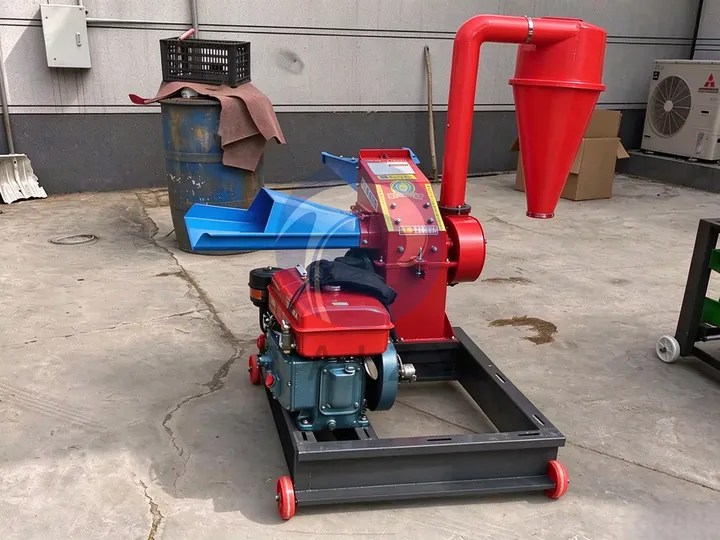
Proper handling of raw materials is a crucial step in the production of high-quality animal feed pellets. Proper raw material pretreatment is essential for efficient animal feed production. The TZ-420 corn grinding machine features a dual-inlet design, allowing it to both chop forage and grind grains—such as dried corn—to meet diverse feeding requirements. It offers a processing capacity of 200–500 kg/h for forage and 500–750 kg/h for grains. The equipment is available with either an electric motor or a diesel engine.
For farms and feed processing companies, this equipment simplifies raw material pretreatment—whether for direct feeding or subsequent mixing and pelleting, it plays a vital role.
How Corn Grits Milling Supports Feed Pellet Production?
Why Use a Corn Grinder Before Making Feed Pellets?
Long grass and crop stalks can be difficult to mix and handle directly. Cutting them into smaller pieces makes it easier to combine forage with other feed ingredients before pelletizing.
- Prepare fibrous materials: Chop grass, hay, corn stalks, wheat straw, and other suitable crop residues.
- Improve material handling: Smaller pieces are easier to transfer, mix, and feed into subsequent processing equipment.
- Support feed formulation: Prepare forage materials for mixing with grains and other ingredients according to the intended feed formula.
- Reduce manual preparation: Mechanized chopping can reduce the time and labor required to process bulky forage.
- Promote nutrient distribution: Chop forage or make feed pellets from grains helps to create more nutritious feed according to the feed formulation.
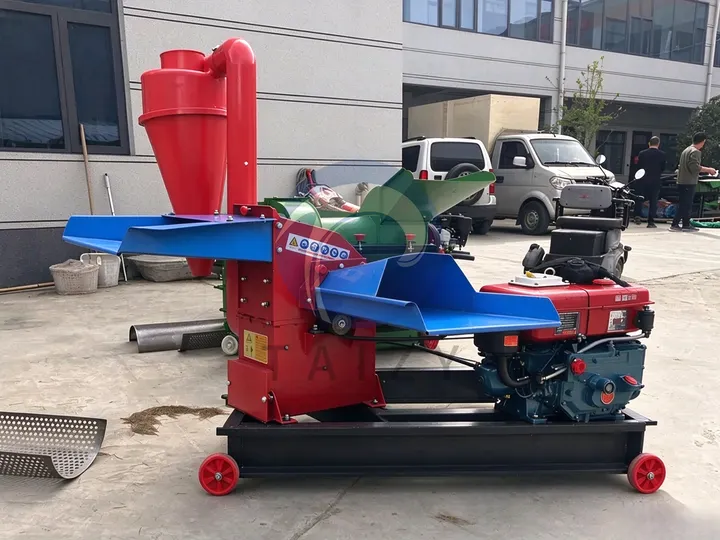
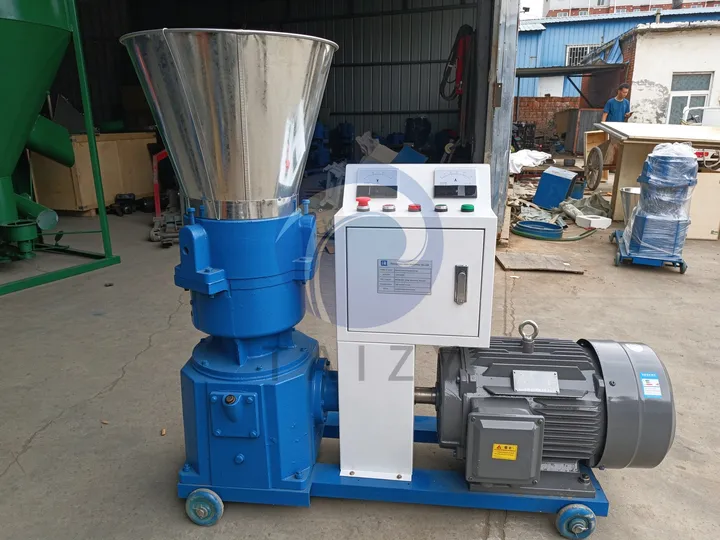
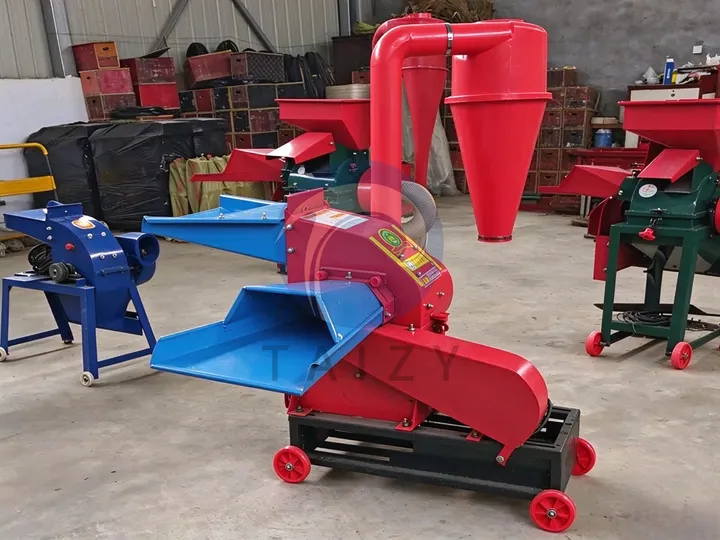
Double-Inlet Design for Different Feed Ingredients
The TZ-420 combines two processing functions in one unit:
- Forage chopping: Cut grass, hay, and suitable straw into shorter pieces for easier handling and feed preparation.
- Dry corn crushing: Process dry corn into finer powder or coarser particles, depending on the selected sieve.
The machine offers 3 mm and 8 mm sieve options for corn crushing, as well as a straw-cutting configuration without a sieve. Users can select the appropriate setup according to the raw material and intended application.
From Raw Materials to Animal Feed
The TZ-420 corn grinding machine supports two practical methods for preparing animal feed. Depending on the type of raw material and specific feeding requirements, it can be used to process forage for direct feeding or to grind dry corn (grain) in preparation for the production of pelleted animal feed.
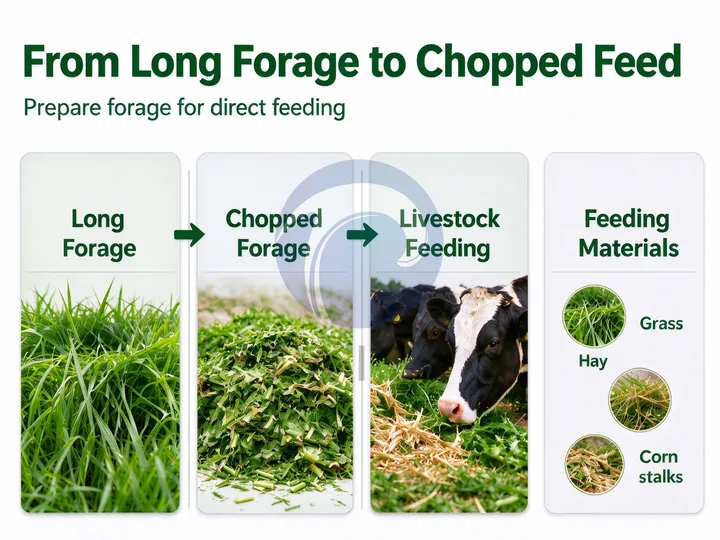
Process Long Forage into Chopped Feed
Long grass and other suitable forage materials can be fed into the chopper, where they are cut into smaller, manageable pieces. This chopped forage is easier to handle and can be used directly for feeding livestock, according to their dietary needs.
Process Flow:
Long Forage → Chopping → Chopped Feed → Livestock Feeding
This approach is ideal for farms that need to prepare fresh grass, hay, or other forage materials for daily feeding.
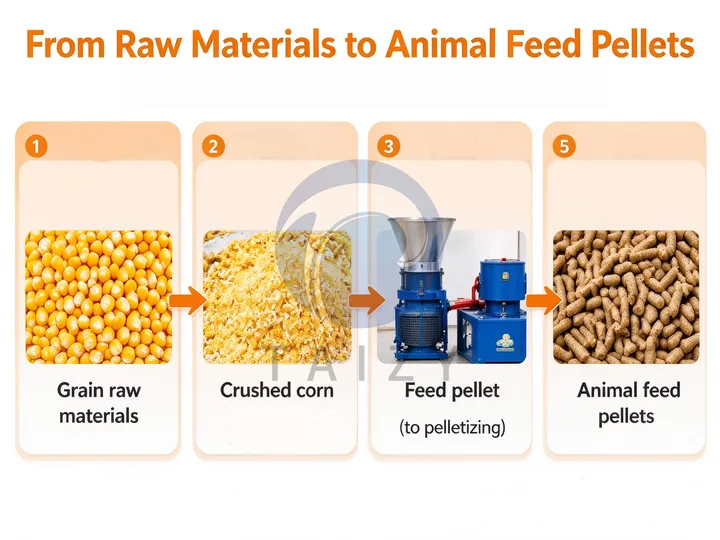
Process Grains into Animal Feed Pellets
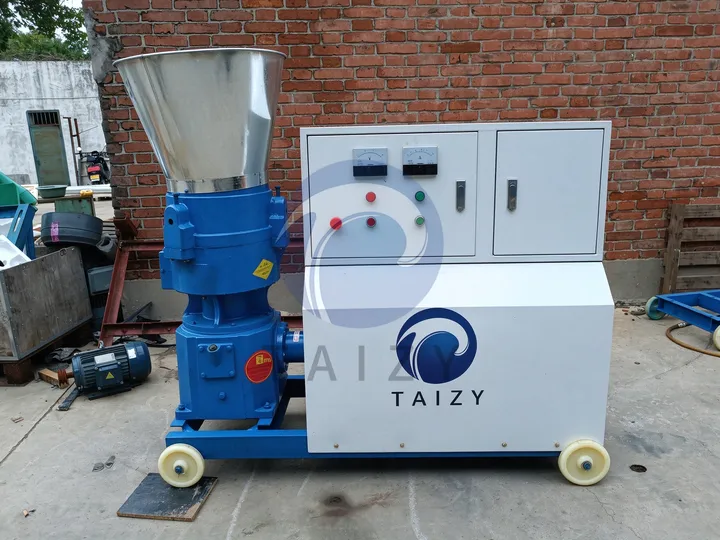
For producers who wish to produce pelleted feed, the TZ-420 hay cutter can grind grains into smaller pellets through its dedicated grinding inlet. Then, it enters the corresponding animal feed pellet machine and is processed into animal feed pellets.
Process Flow:
Grain Raw Materials → Grinding → Pelletizing → Animal Feed Pellets
TZ-420 Corn Grinding Machine Specifications
| Paramètre | spécification |
|---|---|
| Modèle | TZ-420 |
| Electric motor power | 3 kW |
| Grass processing capacity | 200–500 kg/h |
| Dry corn crushing capacity | 500–750 kg/h |
| Poids de la machine | 102 kg |
| Dimensions globales | 1200 × 1100 × 1400 mm |
| Sieve options | 3 mm, 8 mm, and straw-cutting configuration |
| Power options | Electric motor or diesel engine |
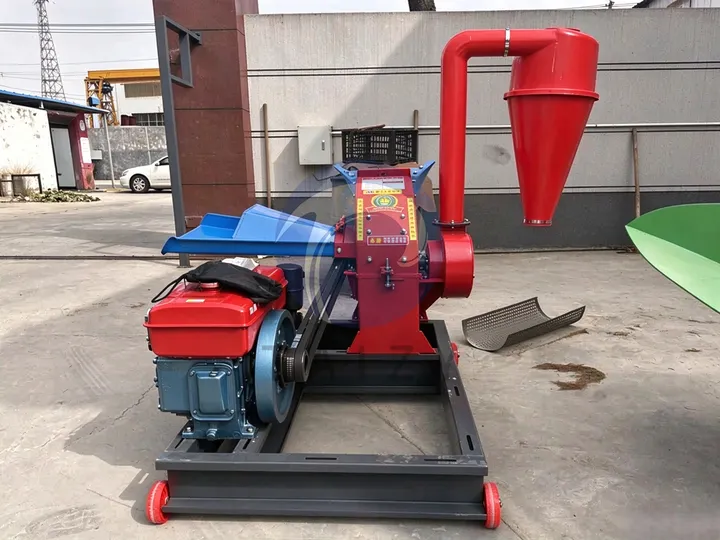
What Types of Materials Can the TZ-420 Corn Grinding Machine Process?
The machine features a dual-inlet design, allowing you to select the appropriate feed inlet based on the type of material being processed.
- Fresh grass and green fodder: It can chop forage grasses and other suitable green fodder for direct livestock consumption or for use in feed preparation.
- Hay and straw: It can process hay, wheat straw, and rice straw, breaking down bulky materials to make them easier to handle and use.
- Corn stalks: It can chop corn stalks, which can then be used to prepare mixed feed consisting primarily of roughage.
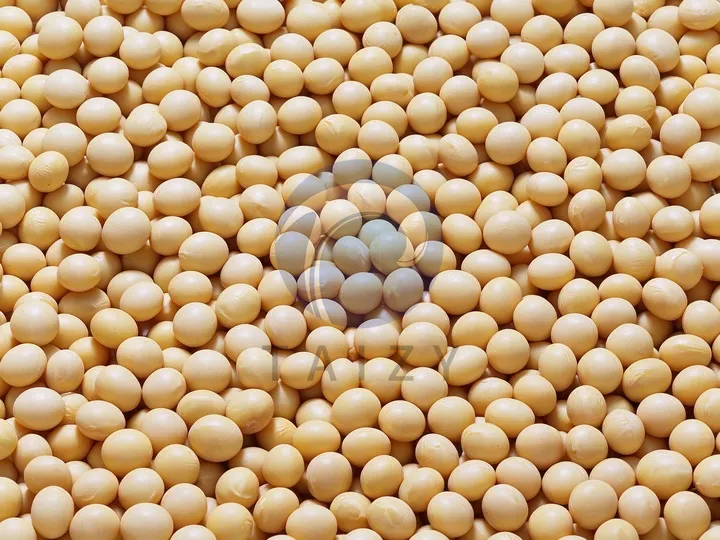
- Corn and soybeans: It can grind grains such as dried corn kernels or soybeans.
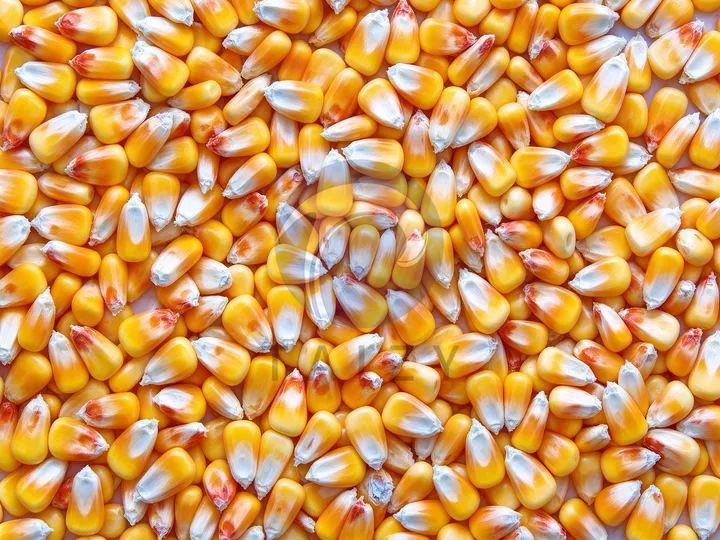
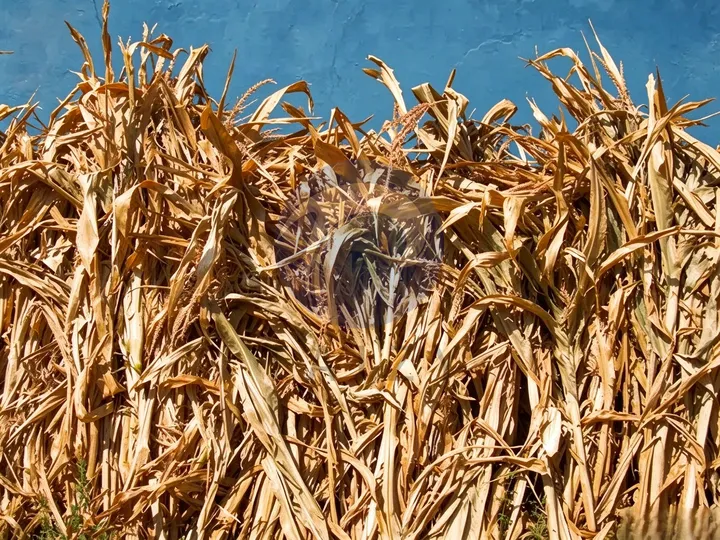
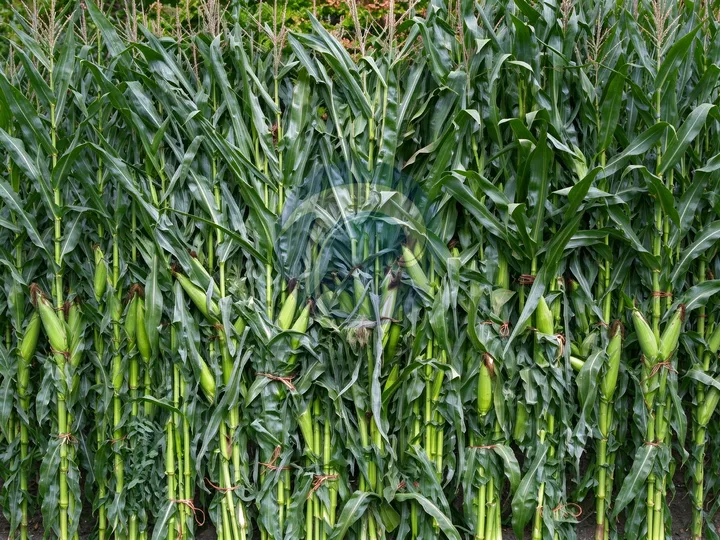
Is This Corn Grinding Machine the Right Choice for You?
Whether the TZ-420 forage chopper suits your production needs depends on the raw materials you use, your daily processing volume, and your intended feeding method.
- Livestock Farms: If you frequently need to prepare long grass, hay, straw, or nutrient-rich feed for cattle, sheep, or other livestock, this machine is an ideal solution.
- Small-Scale Feed Processing Operations: If you need to handle both fibrous forage and grains (such as dried corn), the dual-inlet design allows you to manage both types of processing tasks with a single machine.
- Animal Feed Pellet Producers: If you plan to produce animal feed pellets, this machine can be used to grind grains before the raw material moves on to the pelletizing stage.
Find the Right Corn Grinding Machine for Your Pellet Making Machine
Not sure if the TZ-420 model meets your specific production requirements? Let us know what raw materials you are using and your target output, and we will help you determine the most suitable configuration.