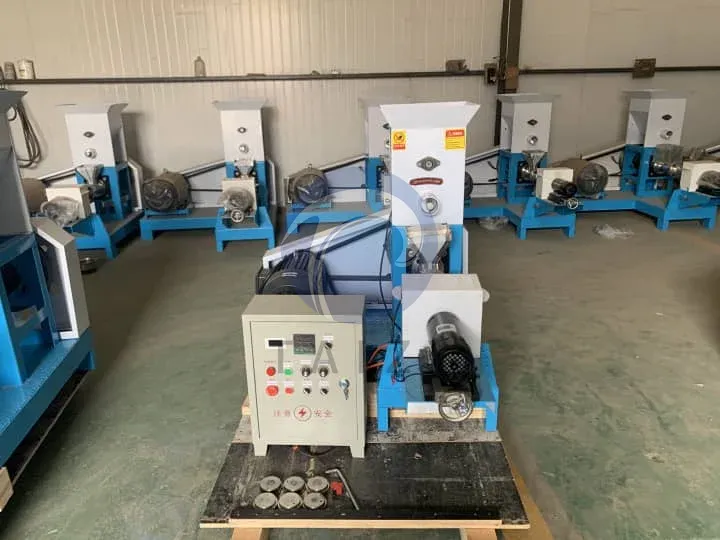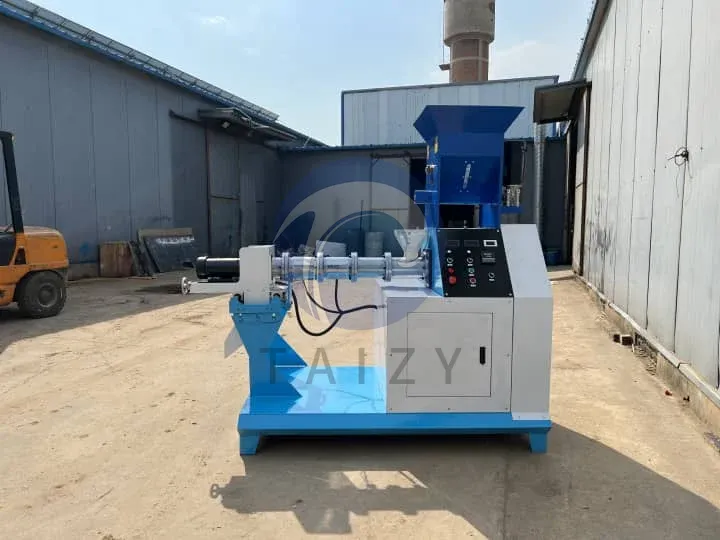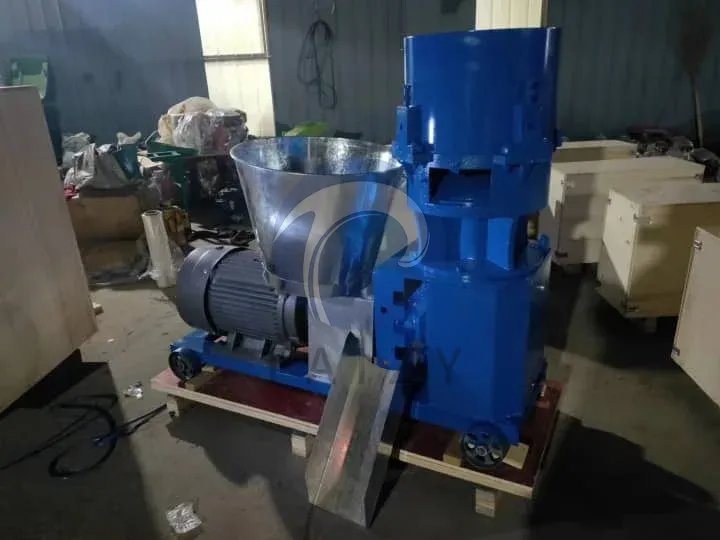
Proper maintenance is the difference between a fish feed machine that lasts 3 years and one that lasts 15 years. The following maintenance principles will keep your equipment running at peak performance.
In this comprehensive guide, you’ll discover proven maintenance strategies, troubleshooting techniques, and repair procedures that can save you money in unexpected downtime and premature equipment replacement.
Why Is the Maintenance of Fish Feed Machines Crucial?
Before diving into specific maintenance procedures, let’s understand the real impact of proper vs. poor maintenance:
| Maintenance approach | Equipment lifespan | Annual downtime | Maintenance cost | Production efficiency |
|---|---|---|---|---|
| Proactive Maintenance | 12–15 years | 2–3 days/year | 3–5% of equipment value | 90–95% |
| Reactive Maintenance | 5–7 years | 15–20 days/year | 8–12% of equipment value | 70–80% |
| No Maintenance | 2–3 years | 40–50 days/year | 15–25% of equipment value | 50–60% |
“An hour of preventive maintenance is worth a day of unplanned downtime. The best time to fix a machine is before it breaks.”
— Maintenance Best Practice
Understanding Your Fish Feed Production Line
A typical fish feed production line consists of several key components, each requiring specific maintenance attention:
| Equipment | Primary Function | Critical Components | Expected Lifespan | Maintenance Priority |
|---|---|---|---|---|
| Hammer Mill | Grinding raw materials | Hammers, screens, bearings, rotor | 8–10 years | High |
| Mixer | Blending ingredients | Shaft, paddles/ribbons, gearbox, seals | 10–12 years | Medium |
| Fish Feed Machine | Cooking & pelletizing | Screw, barrel, die, cutter, gearbox | 8–10 years | Critical |
| Dryer | Reducing moisture | Heating elements, fans, conveyor, controls | 8–10 years | High |
| Cooler | Cooling pellets | Fan, screens, discharge mechanism | 10–12 years | Medium |
| Screener | Grading by size | Screen mesh, vibration motor, springs | 10–12 years | Medium |
| Packaging Machine | Weighing & sealing | Weighing sensor, sealing bar, controls | 6–8 years | Medium |
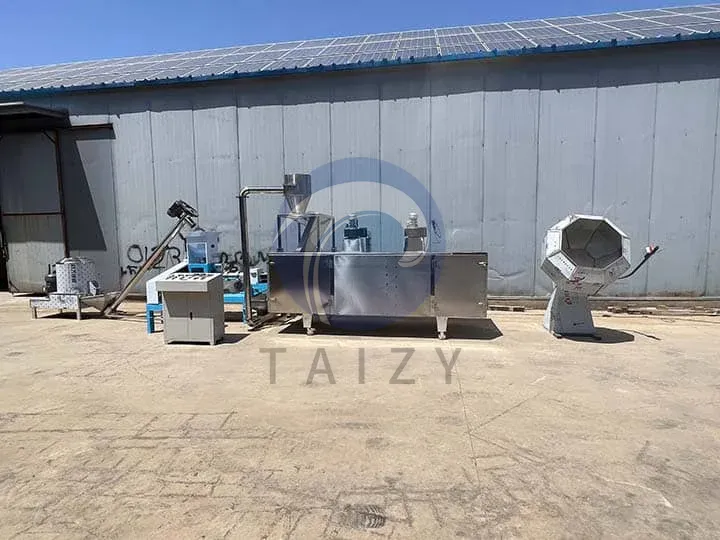
An effective maintenance strategy should follow a structured schedule based on operating hours and time intervals. Below is a simplified maintenance plan specifically for the feed extruder system:
Daily Maintenance
Focus: Basic inspections and quick checks
- Verify extruder barrel temperature and ensure stable readings
- Inspect the condition (clogging, uneven wear)
- Check cutter blades (sharpness and proper gap)
- Monitor lubrication levels
- Check for abnormal noise or vibration
(Safety First: Always follow Lockout/Tagout procedures and ensure a zero-energy state before maintenance.)
Weekly Maintenance
Focus: Wear parts inspection and cleaning
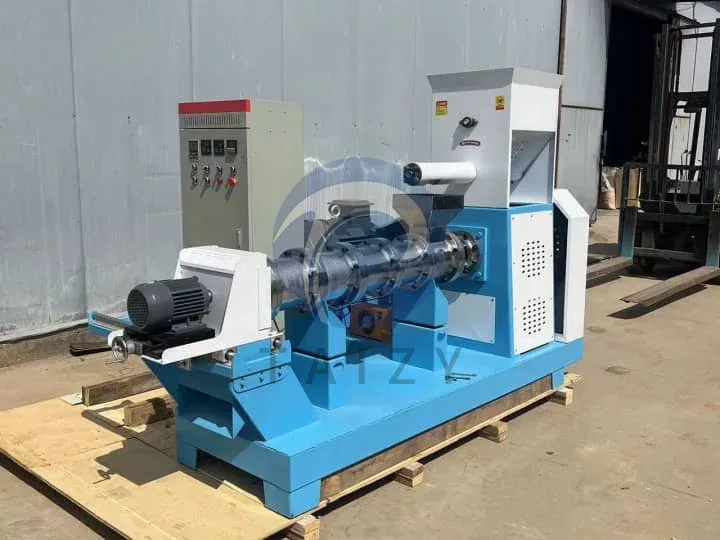
- Measure extruder screw wear
- Thoroughly clean the die head
- Check gearbox oil level and condition
- Inspect the barrel liner for scratches or wear
Monthly Maintenance
Focus: Performance and component condition
- Measure motor current and compare with rated values
- Inspect and replace V-belts if necessary
- Replace extruder gearbox oil (initial 500 hours, then per schedule)
- Check screw and barrel clearance
- Inspect heating bands and the temperature control system
- Conduct a full lubrication system check
Quarterly Maintenance
Focus: In-depth diagnostics
- Perform a comprehensive inspection of the screw and barrel wear
- Inspect and lubricate motor bearings
- Clean the electrical control cabinet and check the wiring
- Test safety systems (emergency stop, protection devices)
- Conduct vibration analysis
Annual Maintenance
Focus: Overhaul and long-term reliability
- Complete extruder system overhaul
- Rebuild or replace the extruder screw based on wear
- Inspect and service the gearbox and drive system
- Evaluate motor condition and replacement needs
- Assess control system performance and upgrade needs
- Check the fish feed machine’s structural integrity
Troubleshooting Guide of the Fish Feed Machine
| Problem | Possible Cause | Diagnostic Steps | Solution | Prevention |
|---|---|---|---|---|
| Pellets Not Floating | Insufficient expansion | 1. Check barrel temperature 2. Verify starch gelatinization | Increase temperature, adjust formula | Monitor temperature continuously |
| Pellets Not Floating | Wrong die specification | 1. Check the compression ratio 2. Verify hole size | Keep the die specification records | Install a moisture meter |
| Pellets Not Floating | Low moisture content | 1. Check conditioner output 2. Measure pellet moisture | Increase steam/water injection | Install moisture meter |
| Uneven Pellet Size | Worn die | 1. Inspect the die face 2. Check for uneven wear | Repair or replace the cutter motor | Install the correct die |
| Uneven Pellet Size | Uneven cutter speed | Replace or rebuild the die | Adjust or repair the feeder | Regular cutter maintenance |
| Uneven Pellet Size | Variable feed rate | 1. Check feeder operation 2. Monitor amperage | Calibrate the feeder regularly | Rotate the die regularly |
| Extruder Stopping | Overload | 1. Check amperage 2. Verify feed rate | Reduce feed rate, clear barrel | Install overload protection |
| Extruder Stopping | Foreign object | 1. Listen for unusual noise 2. Check for metal in feed | Install the magnet before extruder | Install the magnet before the extruder |
| Extruder Stopping | Electrical fault | 1. Check error codes 2. Inspect the electrical panel | Rebuild or replace the screw | Regular electrical inspection |
| Low Production Rate | Worn screw | 1. Measure screw diameter 2. Compare to the specification | Disassemble, remove the object | Monitor wear quarterly |
| Low Production Rate | Incorrect formulation | 1. Measure clearances. Check for scoring | Adjust formula, improve ingredients | Quality control on inputs |
| Excessive Power Consumption | Worn screw/barrel | 1. Measure clearances 2. Check for scoring | Replace worn components | Regular wear monitoring |
| Excessive Power Consumption | Over-greasing | 1. Check grease points 2. Look for excess grease | Reduce grease frequency/amount | Follow lubrication schedule |
Spare Parts Management
Spare parts management tips:
- Establish supplier relationships: Negotiate consignment stock or rapid delivery agreements
- Track part usage: Maintain records to optimize inventory levels
- Standardize components: Use the same bearing sizes across equipment where possible
- Join buying groups: Partner with other mills for bulk purchasing discounts
- Consider rebuilding programs: Many suppliers offer exchange programs for screws, dies, and motors
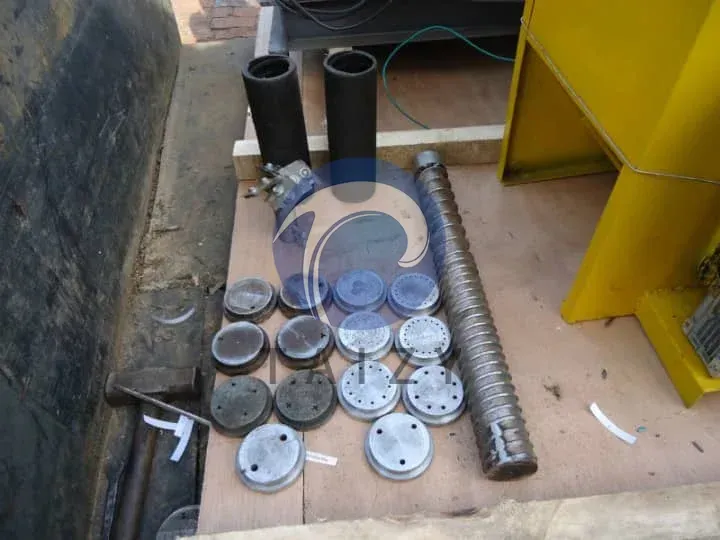
Lubrication Best Practices
Proper lubrication is the single most important factor in extending equipment lifespan. The following are best practices for lubrication: Clean Before Lubricating:
- Before using a grease gun, wipe the grease fitting clean.
- Do not over-lubricate: More is not always better—excessive grease can lead to overheating.
- Use the correct lubricant: Strictly adhere to the manufacturer’s instructions.
- Store properly: Keep lubricants in clean, sealed containers.
- Label everything: Color-code lubricants to prevent cross-contamination.
- Monitor lubricant condition: Check for metal particles, discoloration, and changes in odor.
When to Repair, When to Replace
Making the right choice between repairing and replacing can save you money in the long run:
| Factor | Advantages of Repair | Advantages of Replacement |
|---|---|---|
| Cost | Repair cost < 50% of replacement cost | Repair cost > 70% of replacement cost |
| Service Life | Equipment < 50% of expected lifespan | Equipment > 75% of expected lifespan |
| Downtime | Repair time < 1 day | Repair time > 3 days |
| Frequency | First major overhaul | Third or subsequent repair of same component |
| Efficiency | Current efficiency > 85% | Current efficiency < 70% |
| Parts Availability | Ample parts supply | Parts obsolete or long lead times |
| Technology | Existing technology remains adequate | New technology offers significant advantages |
FAQ of Fish Feed Machine Maintenance
How often should the gearbox oil in an extruder be changed?
The initial oil change should be performed after 500 hours of operation (the break-in period); subsequently, changes should occur every 2,000 hours or once per year, whichever comes first. In dusty or high-temperature environments, the oil change interval should be reduced to 1,500 hours.
What are the most common causes of extruder downtime?
Die head clogging and screw wear account for 60% of unplanned extruder downtime. Regular cleaning of the die head and monitoring of screw wear can prevent the majority of these outages.
How can I determine when the hammers in a hammer mill need to be replaced?
Hammers should be replaced when they have worn down to 50–60% of their original length, or when production efficiency drops by 15–20%. Rotating the hammers weekly can extend their service life by 30–40%.
Should I use food-grade lubricants?
Yes, particularly for equipment where lubricants may come into contact with feed products. Food-grade lubricants (H1 certified) are safer and are often a mandatory requirement for feed production certifications.
How can I reduce maintenance costs?
Prioritize preventive maintenance—it costs 3 to 5 times less than reactive maintenance. Provide basic maintenance training for operators, maintain an adequate spare parts inventory, and invest in condition-monitoring tools.
Remember: the goal of maintenance is not merely to repair machinery when it fails, but to prevent failures from occurring in the first place. The strategies, plans, and techniques outlined in this guide will help you establish a world-class maintenance program, thereby maximizing equipment lifespan and boosting profitability.
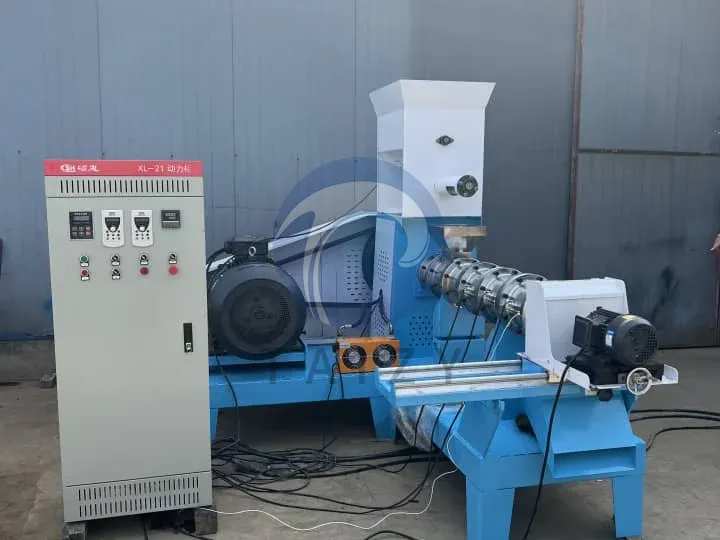
Do you need assistance implementing a maintenance plan? Please contact our team for personalized consultation and support. Hundreds of feed mills that have adopted our maintenance protocols after purchasing our equipment have successfully extended their machinery’s service life by 5 to 10 years.
If you are looking to upgrade to a high-quality fish feed machine, Taizy is a choice you can trust!